
Beginner Mirrorless Camera Buying Guide
A practical, honest walkthrough of what actually matters when buying your first mirrorless camera, from sensor size and lens mounts to autofocus, video specs, and the real total cost of a beginner-friendly system.
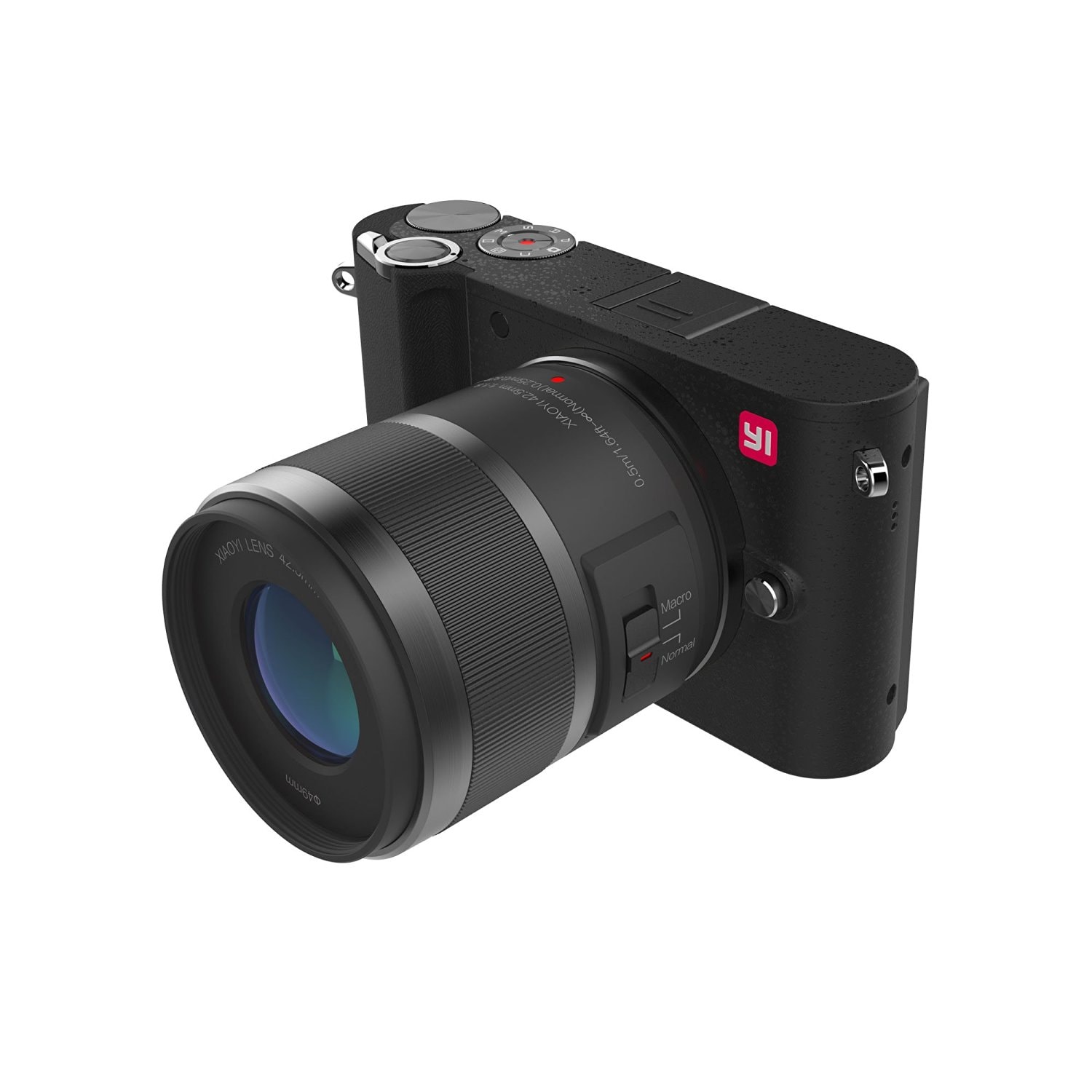
If you've started shopping for your first "real" camera in the last few years, you've probably noticed that almost nobody is telling you to buy a DSLR anymore. Camera aisles that used to be split evenly between chunky mirror-box bodies and their mirrorless cousins are now overwhelmingly mirrorless, and most major manufacturers have quietly stopped developing new DSLR lenses at all. That shift can feel confusing if you're comparing a used DSLR kit from a friend against a new mirrorless body at a similar price, so this guide walks through what actually matters when you're buying your first mirrorless camera: sensor size, lenses, autofocus, video, and a realistic sense of what the whole system will cost once you get past the body alone.
This guide is written for a specific reader: someone who currently shoots on a phone or an old point-and-shoot, wants noticeably better photos and video of family, pets, travel, or a hobby, and has a budget somewhere between "a nice dinner out" and "a used car," not unlimited. If you're a working photojournalist or a specialist wildlife shooter chasing the absolute best autofocus tracking money can buy, some of the advice here still applies, but you'll outgrow it quickly and should be reading more specialized buying guides.
Quick answer: what to actually do
- Buy an APS-C (or Micro Four Thirds) mirrorless camera, not full-frame, for your first system. The image quality difference matters far less than the money you save.
- Budget for the whole system — body, a second lens, memory cards, a bag, and a spare battery — not just the body on sale.
- Pick your lens mount and brand carefully. You're committing to years of future lens purchases, not just today's camera.
- If you photograph people or pets, prioritize a camera with reliable eye-detection autofocus over one with more megapixels.
- Ignore 8K video marketing unless you have a specific professional reason for it. 4K at a reasonable bitrate, with decent autofocus while filming, matters far more day to day.
- A used one-generation-old body from a reputable mount is usually a better buy than a brand-new entry-level body released this year.

Why mirrorless overtook DSLR for most new buyers
A DSLR uses a physical mirror to bounce light up into an optical viewfinder, then flips out of the way when you take the shot. A mirrorless camera skips that mechanism entirely: light goes straight to the sensor, and what you see in the viewfinder or on the rear screen is a live digital feed from that sensor. That sounds like a small engineering detail, but it cascades into almost every practical advantage mirrorless cameras have picked up over the last decade.
Without a mirror box, camera bodies can be smaller and lighter, which matters a lot if the camera is going to live in a bag you actually carry rather than a closet shelf. More importantly, because the sensor itself is doing the focusing instead of a separate autofocus sensor bouncing light off that mirror, mirrorless autofocus systems can cover almost the entire frame and track subjects far more reliably, including through the viewfinder in continuous shooting. Electronic viewfinders also let you preview exposure, white balance, and depth of field before you press the shutter, which is a genuinely useful feature for beginners who are still learning to read a histogram.
DSLRs aren't obsolete for everyone — if you already own a large collection of DSLR lenses, or you find you strongly prefer an optical viewfinder's zero-lag view of the world, sticking with your current system for a while longer is a perfectly reasonable choice. But if you're starting from nothing, nearly every camera manufacturer has moved its lens development, firmware updates, and best new sensor technology to mirrorless mounts, so buying into a DSLR system today means buying into a shrinking ecosystem that will only get thinner as the years go on.
Sensor size tradeoffs: APS-C vs. full-frame
Sensor size is the single most marketed spec in this category, and it's also the one beginners most often get wrong by assuming bigger is simply better. A full-frame sensor is roughly the size of a 35mm film frame; APS-C sensors are meaningfully smaller, and Micro Four Thirds sensors smaller still. Larger sensors gather more light per pixel, which generally translates to cleaner images in dim conditions and a shallower depth of field at a given aperture — the soft, blurred-background look many beginners associate with "professional" photos.

But that advantage comes at a real cost, and not just in dollars. Full-frame bodies are heavier, and — this is the part beginners underestimate — full-frame lenses that cover the same field of view and aperture as their APS-C equivalents are dramatically bigger, heavier, and more expensive. A full-frame system that actually matches what a beginner needs (a walk-around zoom, a portrait-friendly prime, maybe a longer telephoto) routinely costs two to three times what an equivalent APS-C kit costs, and weighs enough more that people quietly stop carrying it on the trips and outings where they'd actually use it.
For the overwhelming majority of new buyers — people photographing kids, pets, travel, everyday life, and the occasional low-light dinner or concert — a modern APS-C or Micro Four Thirds sensor is genuinely good enough. Sensor technology has improved enormously; a current APS-C sensor handles low light far better than a full-frame sensor did a decade ago, and the gap keeps narrowing with each generation. The honest framing is: full-frame buys you a modest, real improvement in ultimate image quality and background blur, in exchange for a large, compounding increase in cost, weight, and bulk across every lens you ever buy for that body. Unless you have a specific professional reason to need that ceiling — pro-level portrait or wedding work, large-print landscape photography, commercial work where clients expect it — start on APS-C and put the money you save toward lenses, memory cards, and actually learning the craft instead.
Kit lens vs. buying a prime lens first
Almost every entry-level mirrorless camera is sold as a "kit" bundling the body with a basic zoom lens, usually something like an 18-55mm or 14-42mm equivalent. Kit lenses get a bad reputation online, and it's partly earned — they're built to a price, with variable, fairly slow apertures (often f/3.5-5.6) and average sharpness wide open. But they're also genuinely useful precisely because they're a zoom: as a new photographer, you don't yet know whether you'll gravitate toward wide environmental shots, tight portraits, or something in between, and a kit lens lets you figure that out without committing to one focal length before you've even learned what you like to shoot.
The single most cost-effective upgrade almost every beginner should make, usually within the first few months, is adding a "nifty fifty" — a 50mm-equivalent prime lens with a wide maximum aperture, typically f/1.8. These lenses are small, light, and often cost less than $200, yet they let in far more light than any kit zoom and produce noticeably more subject-background separation. If you photograph people — portraits, kids, pets — a fast prime like this will do more for your photos than almost any other single purchase, including upgrading the camera body itself a generation or two down the line.
The broader lesson is: don't spend your entire budget on the body and assume the kit lens is "good enough forever." A camera body is replaceable and depreciates fast; a good lens holds its value and its usefulness for years, often across multiple camera body upgrades within the same mount. If you have to choose between a marginally better body and having money left over for a second lens, buy the second lens — it's almost always the better long-term investment in your actual photos.
Why lens ecosystem and mount matter more than body specs
This is the point that trips up the most first-time buyers: you are not just buying a camera, you are buying into a lens mount, and that decision matters more over the life of the system than which specific body you start with. Every mirrorless brand uses its own proprietary lens mount — Sony E-mount, Canon RF, Nikon Z, Fujifilm X, the Micro Four Thirds mount shared by Panasonic and OM System — and lenses are not interchangeable between them without an adapter, which usually comes with autofocus speed or aperture control compromises.

Before comparing megapixel counts or burst-shooting speeds between two camera bodies, look at what lenses actually exist for that mount, at what price, and from how many manufacturers. Sony's E-mount and the Micro Four Thirds mount both benefit from years of third-party lens support from companies like Sigma, Tamron, and Viltrox, which keeps prices competitive and gives you real options at every focal length and budget. Canon's RF mount, by contrast, has historically restricted third-party autofocus lenses more tightly, meaning you're mostly buying Canon-branded glass at Canon's prices. Neither approach is "wrong," but it changes the real cost of building out a system over the next five years, well beyond the body you're comparing today.
The practical takeaway: research the used and third-party lens market for a mount before you buy the body, especially for the specific lenses you already know you want (a fast prime, a longer zoom for sports or wildlife, a wide lens for landscapes). A camera body with slightly weaker specs but a deep, affordable lens catalog will serve you better for years than a spec-sheet winner locked into an expensive or thin lens lineup. Ask yourself: if I wanted three more lenses over the next three years, what would that actually cost on this mount, used and new?
Autofocus and eye-AF for family and pet photography
If your primary subjects are people or animals rather than static landscapes or product shots, autofocus performance — specifically eye-detection and subject-tracking autofocus — should weigh more heavily in your decision than resolution or burst rate. Modern eye-AF systems use the camera's processor to recognize a human or animal eye in the frame and keep focus locked on it continuously, even as the subject moves or turns their head, which used to require a skilled photographer manually adjusting a single focus point in real time.
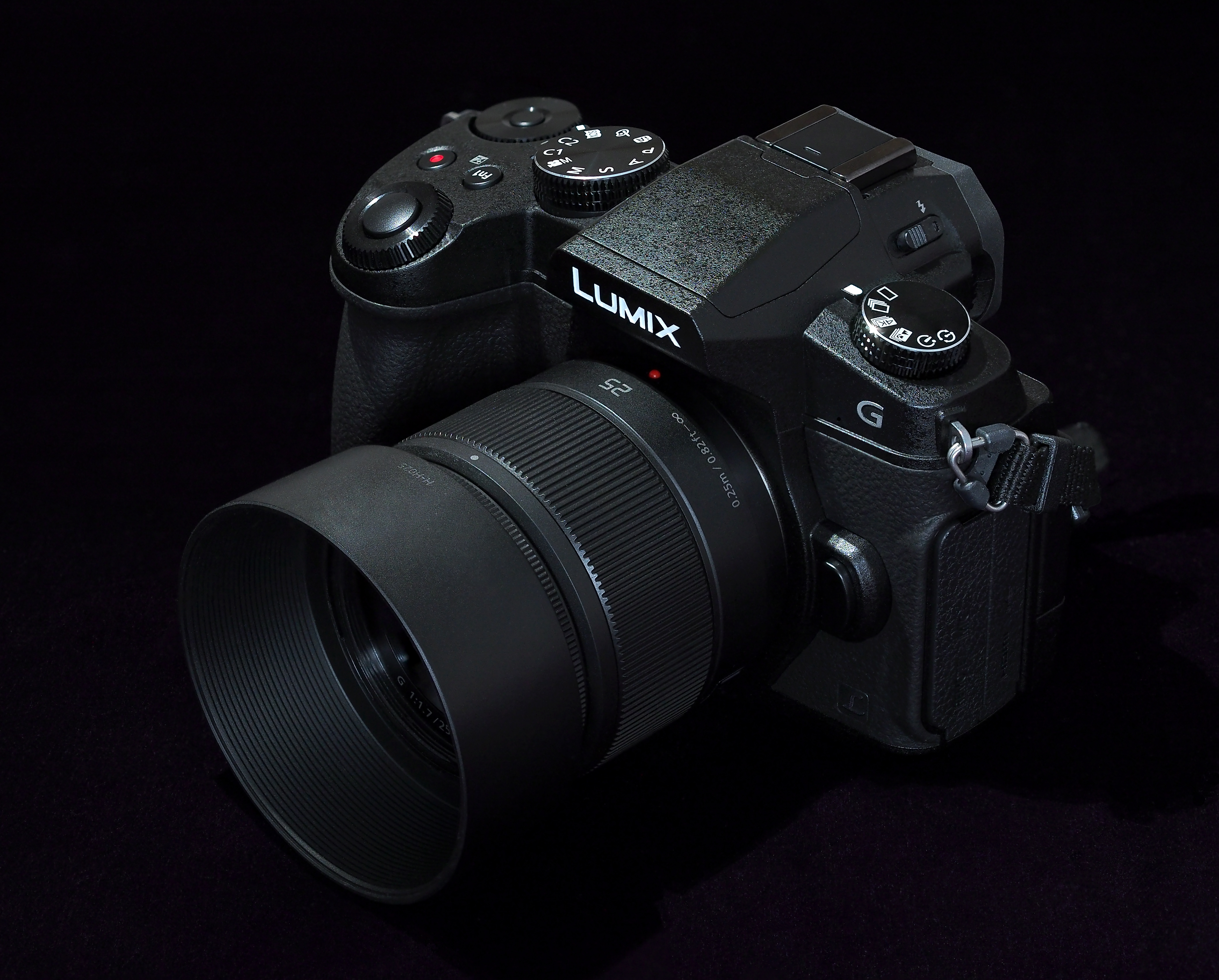
This is especially valuable for parents photographing young kids and anyone photographing pets: both subjects move unpredictably and don't hold poses, so a camera that can find and stay locked on an eye through fast, erratic motion turns a huge percentage of "almost got it" shots into keepers. Before buying, it's worth reading dedicated reviews or watching hands-on video specifically testing a camera's animal-eye and human-eye autofocus in continuous shooting mode — this varies more between models than most other specs, and manufacturer marketing copy tends to overstate it uniformly across an entire lineup even when the cheapest body in that lineup performs noticeably worse than the flagship.
It's also worth checking how autofocus behaves in video mode specifically, since some cameras that autofocus beautifully for stills use a noticeably less capable, more hunting-prone system when recording — worth testing in-store or checking dedicated video reviews if you plan to shoot much video of moving kids or pets rather than posed stills.
Video specs worth caring about (and the ones that are just marketing)
Camera spec sheets love to lead with headline video numbers — 8K resolution, absurdly high frame rates, log color profiles with a dozen letters in the name — and almost none of that matters for a beginner's actual use case. 8K video files are enormous, most viewing happens on phone or laptop screens that can't resolve the extra detail anyway, and editing 8K footage smoothly requires a computer well beyond what most hobbyists own or want to buy just to edit vacation clips. Unless you have a specific plan to sell footage for large-format commercial use, 8K is a number on a box, not a feature you'll actually use.
What actually matters for everyday video — vlogging, family clips, travel footage, casual short-form content — is a handful of less flashy specs: reliable continuous autofocus while recording (see the previous section), in-body or lens-based image stabilization if you'll be shooting handheld, a flip-out or vari-angle screen if you ever film yourself, and clean, well-processed 4K at a normal frame rate like 24 or 30fps with a healthy bitrate. A camera that nails those fundamentals in 4K will produce far more usable, watchable footage day to day than one boasting 8K with mediocre autofocus and no stabilization.
If you do want higher frame rates, prioritize 1080p or 4K at 60fps for smooth slow motion over exotic high resolutions — that's the video spec that actually improves the footage most casual shooters produce, since slow motion of kids, pets, or action moments is genuinely useful, while 8K resolution mostly just fills a spec sheet and a marketing headline.
Realistic total budget: it's never just the body
Camera marketing overwhelmingly focuses on body price, but a functional first system costs meaningfully more than the number on the box. Budgeting realistically up front avoids the common trap of buying a camera and then discovering you can't actually use it the way you planned because you're out of money for the rest of the kit.

Here's a rough breakdown of what a realistic beginner budget actually includes:
- Body with kit lens: the advertised price, usually the biggest single line item and the one every retailer's homepage headline is built around.
- A second lens: a fast 50mm-equivalent prime is the classic first add, typically $150-350 depending on mount and brand.
- Memory cards: buy at least two, so you're never stuck mid-trip when one fills up or fails; a faster card matters more if you shoot video or long burst sequences.
- A spare battery: mirrorless cameras are notorious for shorter battery life than DSLRs because the electronic viewfinder and rear screen are always drawing power; a dead battery on a travel day is a real, common risk without a spare in the bag.
- A proper camera bag: something padded that actually fits your specific body-plus-lens combination, not a generic bag that leaves the lens mount unprotected against knocks.
- A basic filter and lens cleaning kit: inexpensive, but genuinely protects an investment you'll want to last for years of regular use.
Add those up and the real total is often 30-50% above the advertised body-and-kit-lens price. That's not a reason to avoid buying — it's a reason to plan for the full number from the start rather than getting the body home and realizing you can't afford the lens or the cards you actually need to use it properly.
A quick decision framework
If you're still torn between two or three specific cameras, run through these questions in order:
- What lens mount does it use, and what does that mount's used and third-party lens market look like? This outlasts any single body purchase by years.
- Is it APS-C or Micro Four Thirds, not full-frame, unless you have a specific, already-identified professional need for full-frame image quality?
- Does independent testing show strong eye-detection autofocus if your main subjects are people or pets rather than static scenes?
- Does 4K video hold up with continuous autofocus and stabilization, rather than just listing a high resolution number on the box?
- Have you budgeted for a second lens, two memory cards, a spare battery, and a bag, not just the advertised body price on sale?
For travelers who also want fast, lightweight aerial or action footage to pair with their new camera system, it's worth noting that dedicated drones like the DJI Mini 4 Pro have become a common companion purchase rather than a competing one — they solve a genuinely different problem (aerial perspective, ultra-portability) than a mirrorless body with a proper lens ever will, and neither replaces the other in a travel kit.
The bottom line
Most beginners overthink the camera body and underthink everything around it. An APS-C or Micro Four Thirds mirrorless camera from a mount with a healthy lens ecosystem, paired with a fast 50mm-equivalent prime and a realistic budget for cards, a spare battery, and a bag, will outperform a bigger, pricier full-frame body bought alone on a tight budget. And if what you actually need is simply better everyday photos of your family without carrying extra gear at all, it's worth being honest that a modern smartphone may still be the right tool — mirrorless cameras earn their keep once you want manual control, interchangeable lenses, or image quality in low light and shallow depth of field that a phone sensor genuinely can't match, not before that point.

Start with the mount and the lens roadmap, not the sale price on a single body. That one decision will shape every camera-related purchase you make for the next several years, far more than any single spec on today's box.