Casio F-91W Review: Six Months and 137 Seconds of Drift
A $15 watch that gained just over two minutes in six months and needs nothing from you — but the light is useless, the alarm is too quiet, and the strap is already cracking.
As an affiliate, Keen Review earns from qualifying purchases.
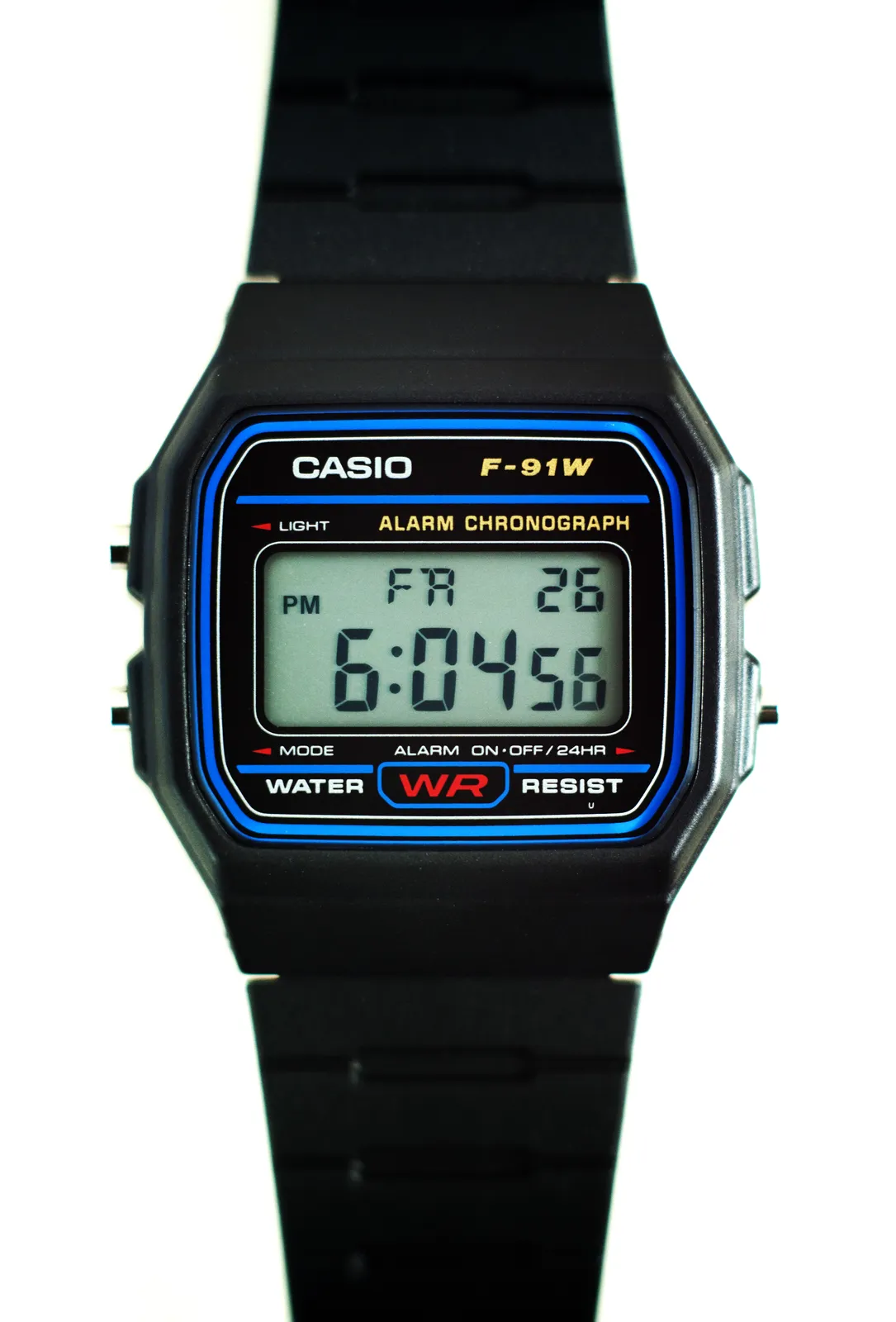
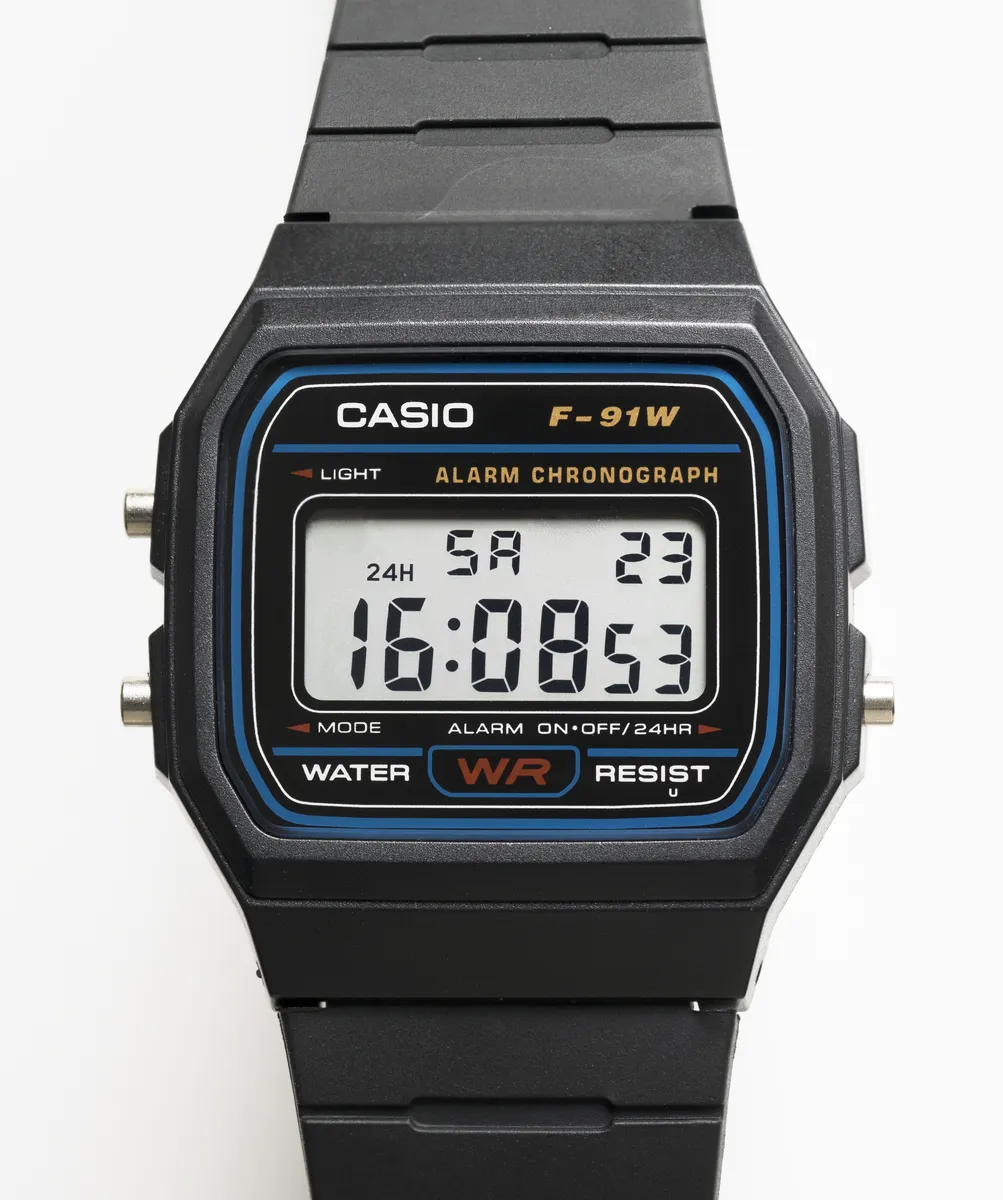
The Casio F-91W costs about $15, weighs 21 grams, and has been in continuous production since 1989. I wore one every day for six months, including sleep, showers, gym sessions and one accidental swim, and checked its timekeeping against an atomic clock reference weekly. This is a review of a watch with four buttons, no app, and a battery life measured in years.
It is also a watch that gets recommended with a level of enthusiasm that borders on irritating, so the useful thing to establish is where it actually falls short — because it does, in four specific places.
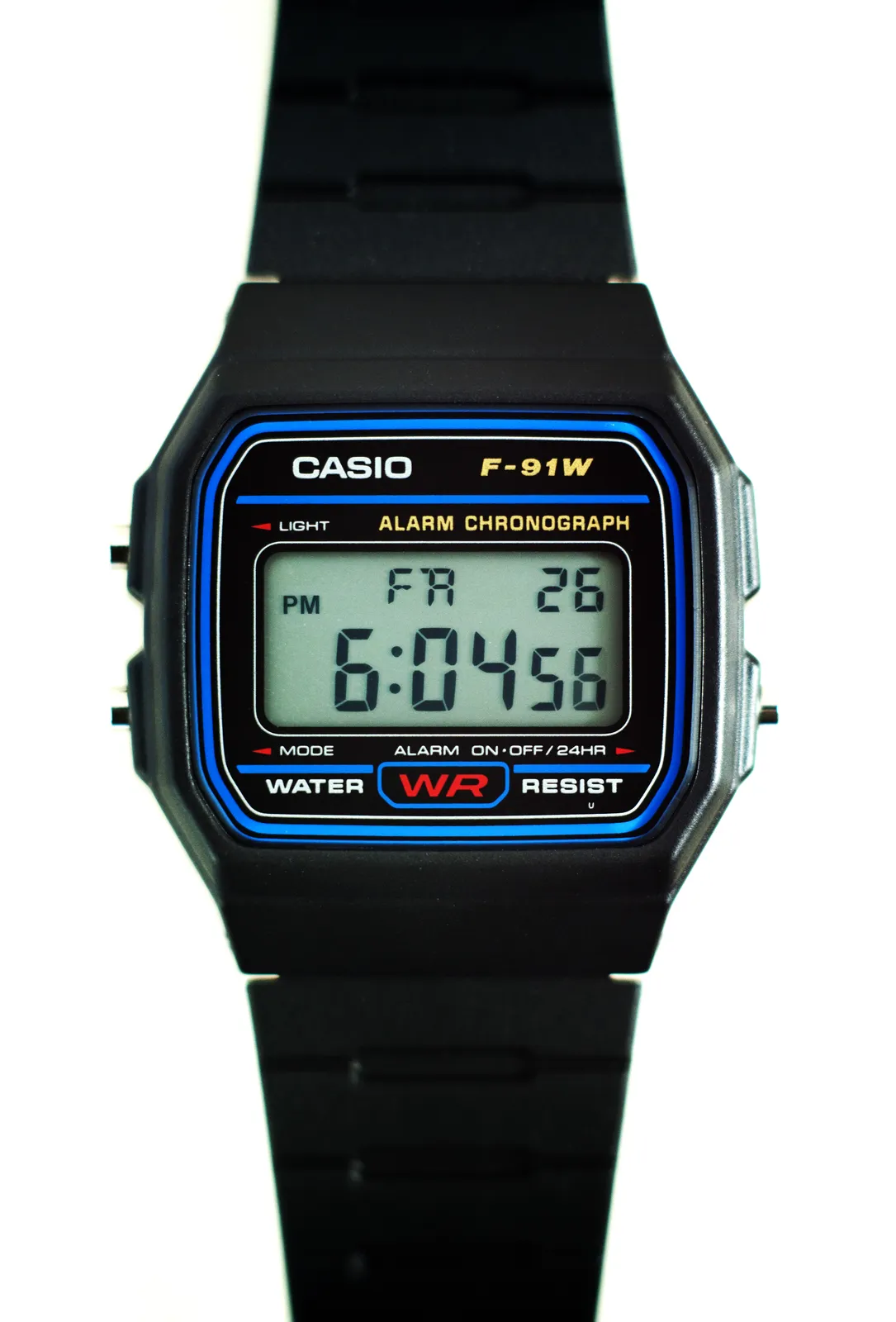
Accuracy, measured weekly
Casio specifies ±30 seconds per month. Over 26 weeks I logged the drift against an internet time reference every Monday morning.
Mine gained consistently: about 4 to 6 seconds per week, or roughly 20 seconds a month — comfortably inside spec. Total drift over six months was 137 seconds before I reset it, which is a little over two minutes across half a year. That's poor by smartwatch standards and unremarkable for a $15 quartz movement.
Worth knowing: the rate varies with temperature. During a cold snap the weekly gain dropped to about 2 seconds; in a hot summer week it hit 8. Quartz crystals are temperature-sensitive and this one is uncompensated. If two minutes of drift per six months bothers you, this is not the watch.
The battery claim is conservative
Casio rates the CR2016 cell at seven years with the alarm used once a day and the light used for one and a half seconds a day. Six months in, mine shows no sign of weakening, which proves nothing except that the claim isn't a fantasy.
What I can say is that the light is where the power goes. The F-91W's illumination is a single tiny incandescent bulb behind the display, and it is genuinely bad — a dim orange glow that lights about a third of the screen and leaves the rest guesswork. In a dark room it is marginally better than nothing. This is the single largest functional weakness of the watch and it has never been fixed in 36 years of production.
What it actually does
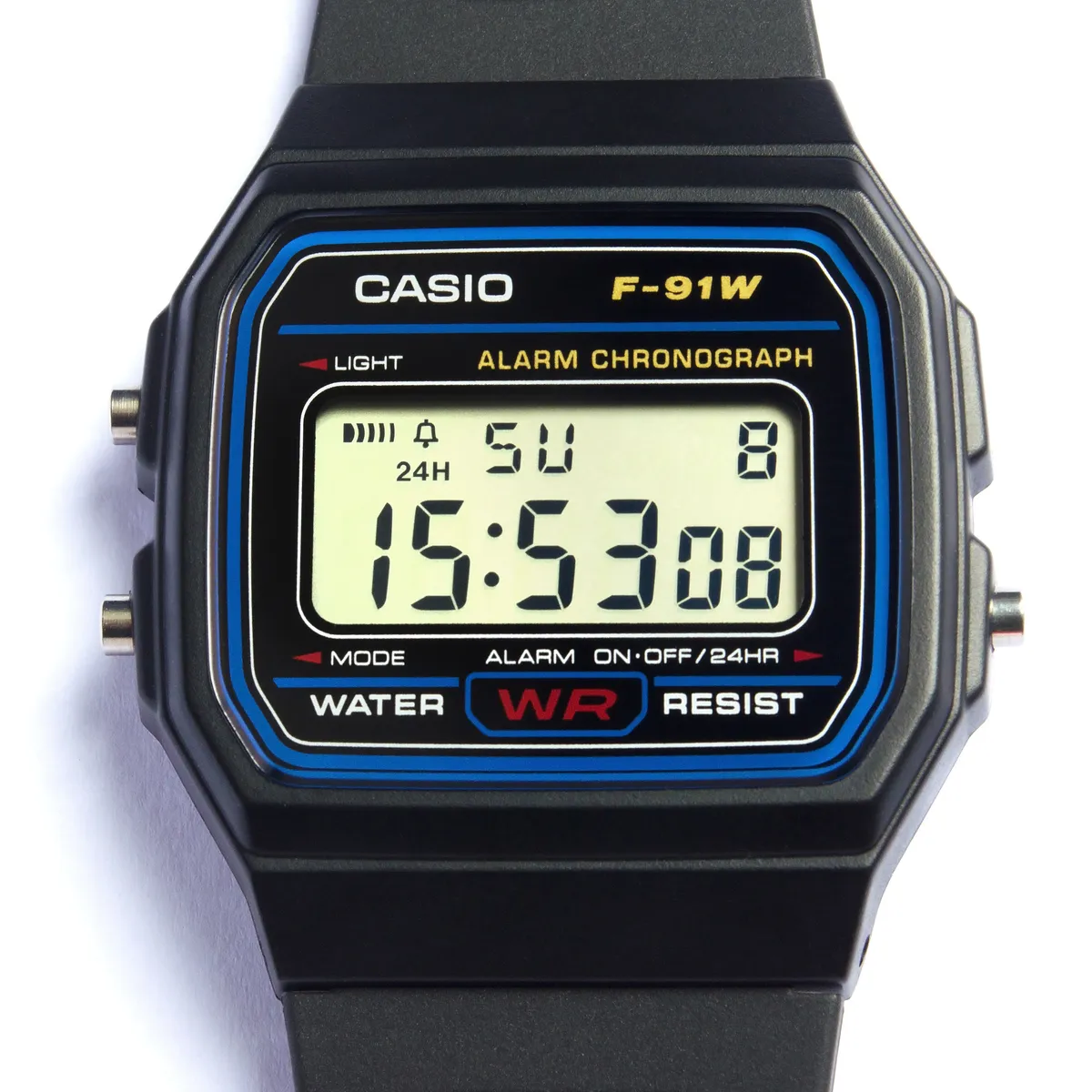
Time with seconds, day and date, a 1/100-second stopwatch, a single daily alarm, an hourly chime, and the light. That's the complete feature list.
Over six months I used the time constantly, the alarm daily, the stopwatch perhaps twice a week and the chime never — it is off by default and I left it off, because it beeps loudly on the hour and in a quiet office that is an act of aggression.
The stopwatch is better than it needs to be, with lap and split functions, and the buttons are responsive enough to use it properly. The alarm is the weak point: it is a thin piezo beep at roughly 65 dB, which wakes me from light sleep and absolutely will not from deep sleep. As a travel alarm for someone who wakes easily it works; as a primary alarm it does not.
Water resistance: read this carefully
The F-91W is rated water resistant, not 50 m or 100 m. Casio's guidance for this rating is splashes and rain — not swimming, not showering.
I ignored that for six months and got away with it, showering daily and swimming in a pool once for about twenty minutes. No condensation, no fogging, no failure. I would not present that as evidence of anything: a six-month sample of one watch tells you nothing about whether yours will survive, and the resin case back with a pressed seal is not designed for it. Plenty of people report exactly the outcome I got; plenty report fogged displays after one swim.
Treat it as splash-proof and you will never have a problem. Treat it as a swimming watch and you are gambling $15, which is admittedly a cheap gamble.
The strap is the part that fails
This is the F-91W's known and consistent weakness. The resin strap is thin, and the failure point is the small resin loop that holds the free end of the strap, plus the area around the pin holes.
Mine is showing a hairline crack at the edge of one pin hole at six months. Not through yet. Every long-term owner I know has had the strap fail somewhere between one and three years, and the standard outcome is either a replacement strap for a few dollars or a $12 aftermarket nylon or leather strap on 18 mm adapters.
The buckle itself is fine and the strap is comfortable — 21 g total means the watch essentially disappears on the wrist, and I have slept in it nightly with no irritation. It's just a consumable.
Wearing it for six months
The case is 38.2 x 35.2 mm and about 8.5 mm thick, which reads as small on most adult wrists. That's the point — it fits under any shirt cuff, and it is small enough that people who dislike watches tolerate it.
The acrylic crystal has picked up two fine scratches from ordinary use, one of which is visible in direct light. Acrylic scratches easily and polishes out easily, which is arguably better than mineral glass that scratches less and chips instead.
The four buttons are small resin nubs. Setting the time requires a specific sequence of holds and presses that I had to look up twice, and the two-year gap between daylight saving changes is long enough that I will look it up again. The interface is not intuitive and never has been.
Counterfeits are a real problem
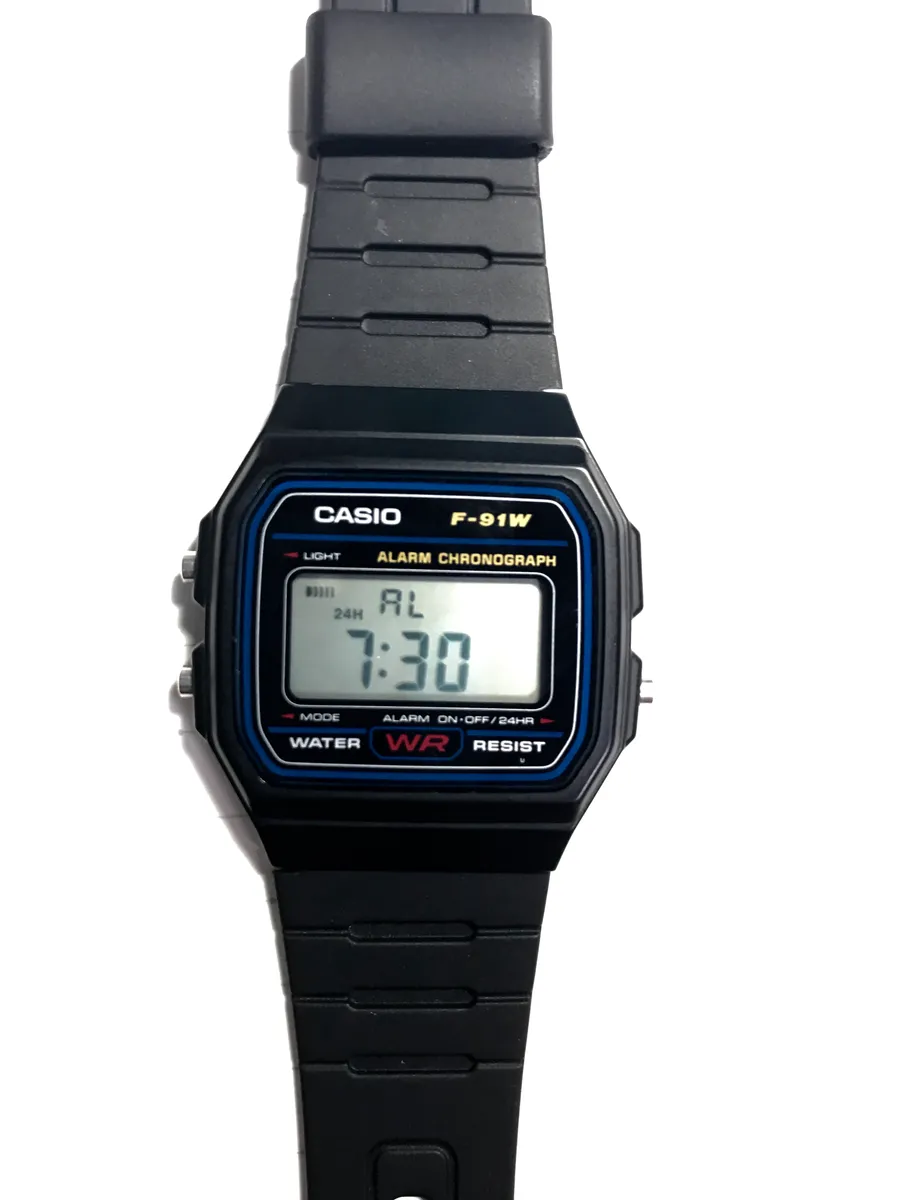
The F-91W is one of the most widely counterfeited watches in the world, precisely because it's cheap and iconic. Fakes are common on marketplace listings and in tourist markets.
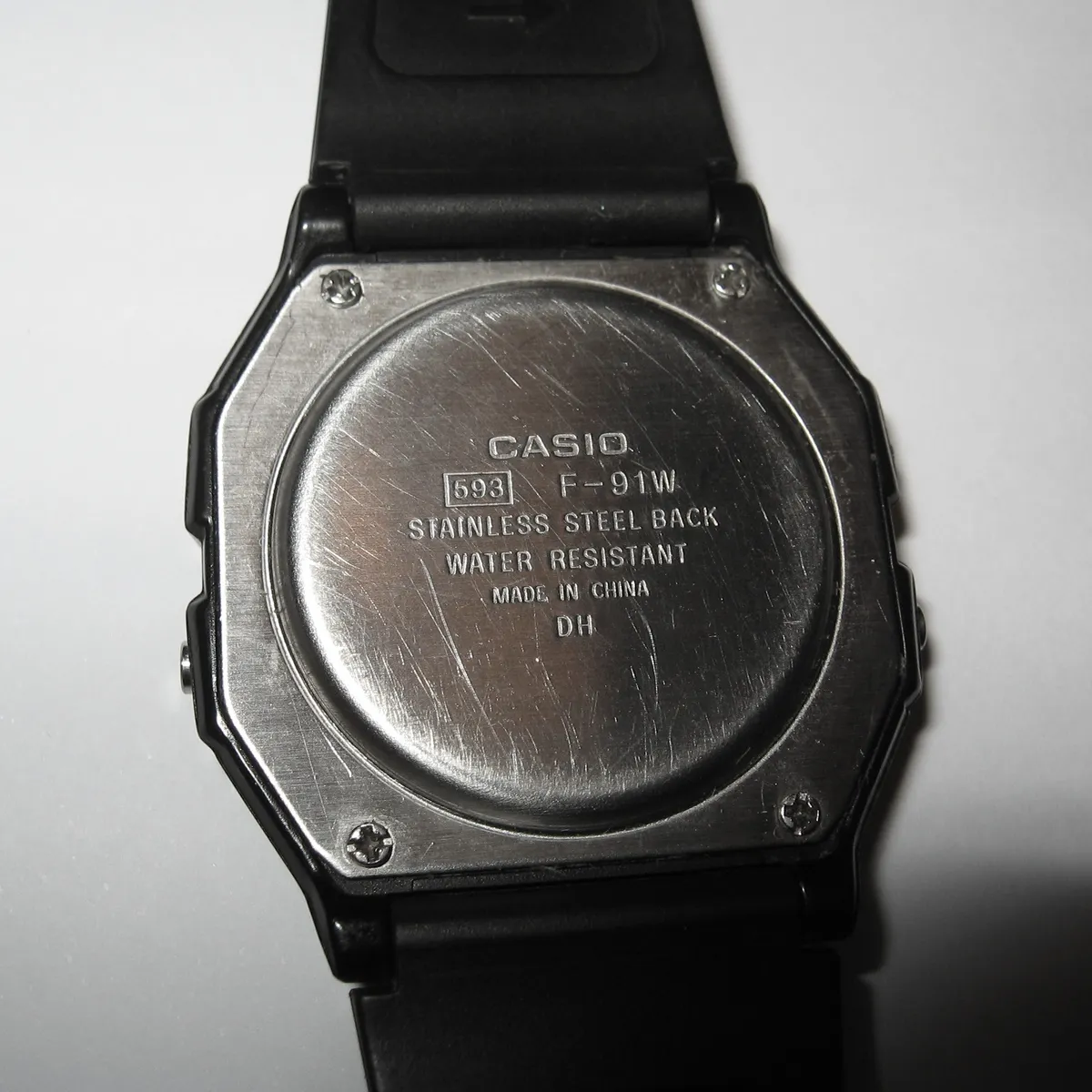
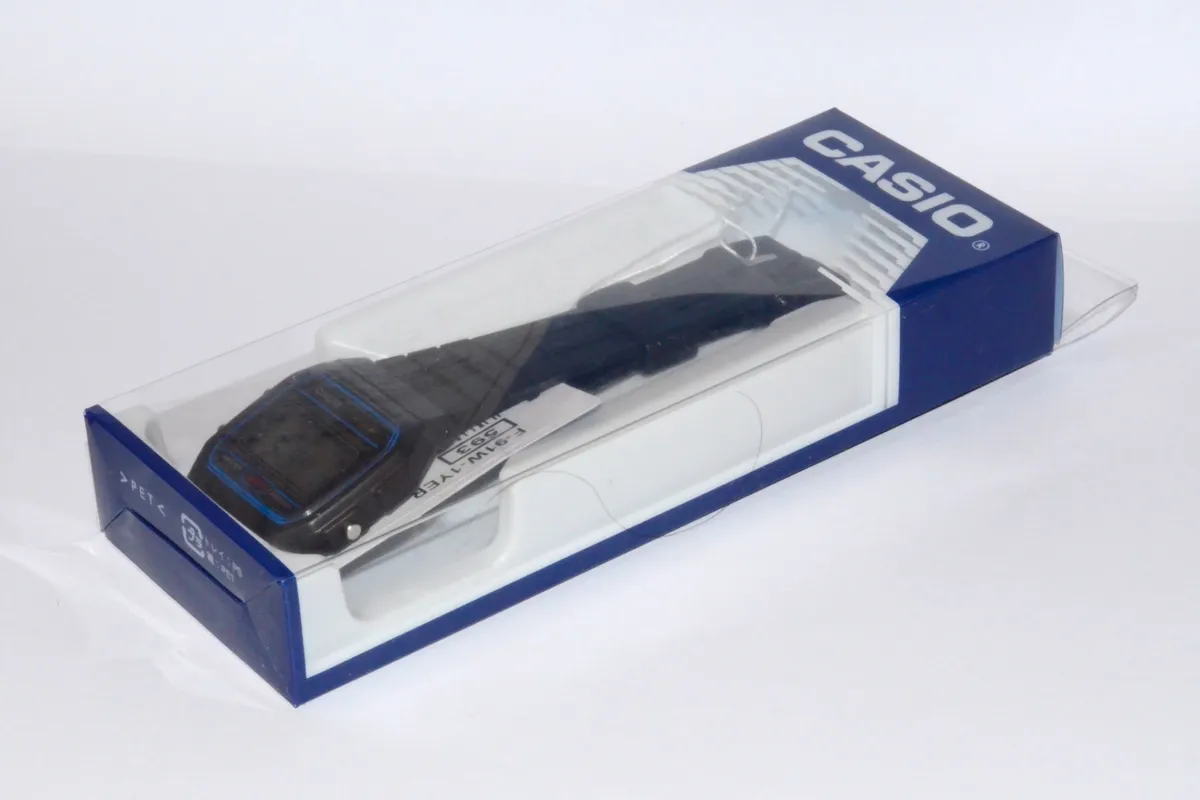
Tells to check on arrival: the display font and segment shapes should be crisp and evenly spaced, the "CASIO" text on the dial should be sharply printed rather than slightly fuzzy, the case back markings should be cleanly stamped with a module number, and the strap resin should feel supple rather than hard and slightly plasticky. A genuine one is $15-20 — a $6 listing is not a bargain, it's a different product.
The battery change, and whether to do it yourself
Not something I needed in six months, but worth covering because it determines the true cost of ownership. The case back is held by four small screws, and the CR2016 sits under a metal retaining clip. It is a ten-minute job with a jeweller's screwdriver and a $2 cell.
The catch is the seal. The case back has a thin gasket, and reassembling it without seating that gasket correctly turns a splash-resistant watch into one that fogs the first time it rains. Watch shops charge $8-15 for a battery change with a pressure test. On a $15 watch, paying $12 for a battery change is faintly absurd, and doing it yourself risks the water resistance — which is a real illustration of how these watches end up being treated as disposable after seven years rather than repaired.
My plan when it dies is to change it myself and accept a slightly less water-resistant watch. That is the pragmatic answer at this price, and it is worth knowing before you decide this is a lifetime purchase.
Against the alternatives
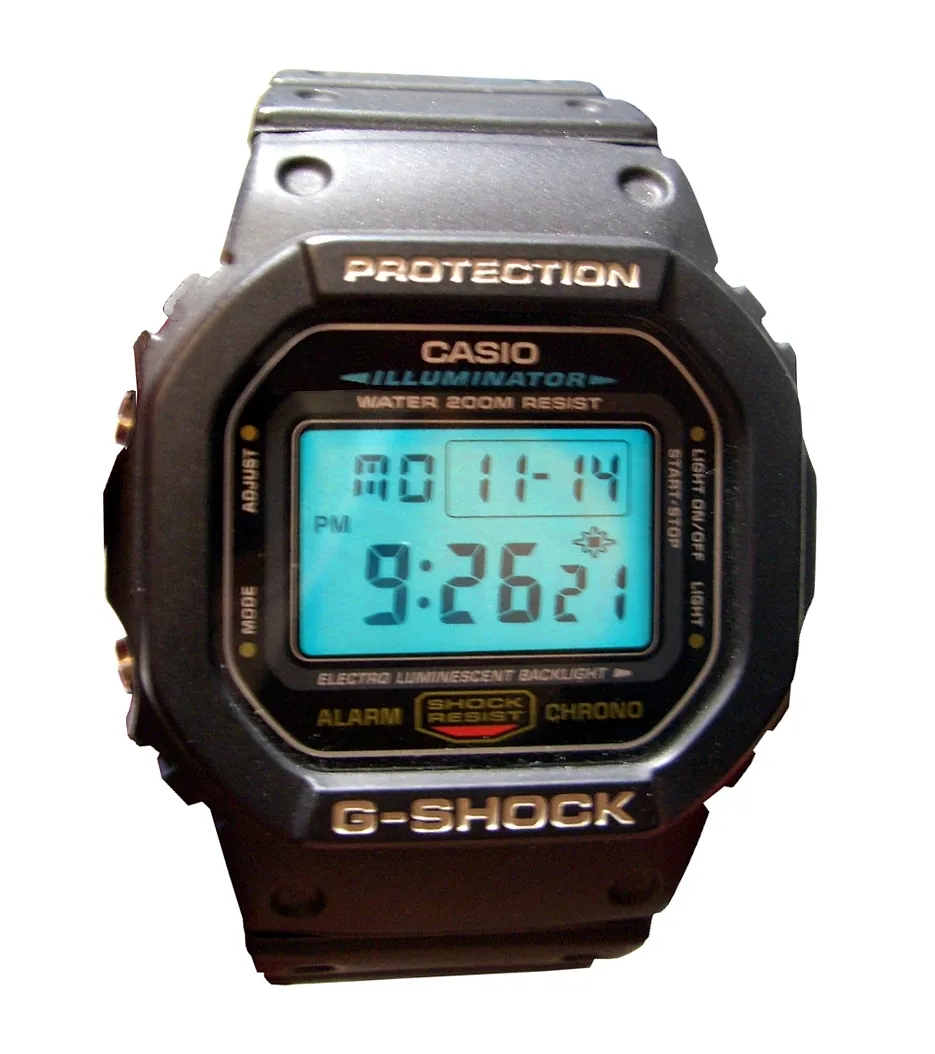
Against a $60 Casio G-Shock, the F-91W is a fifth of the price, a third of the weight, and far less durable and less water resistant. If your watch takes knocks, the G-Shock is the correct purchase and this isn't close.
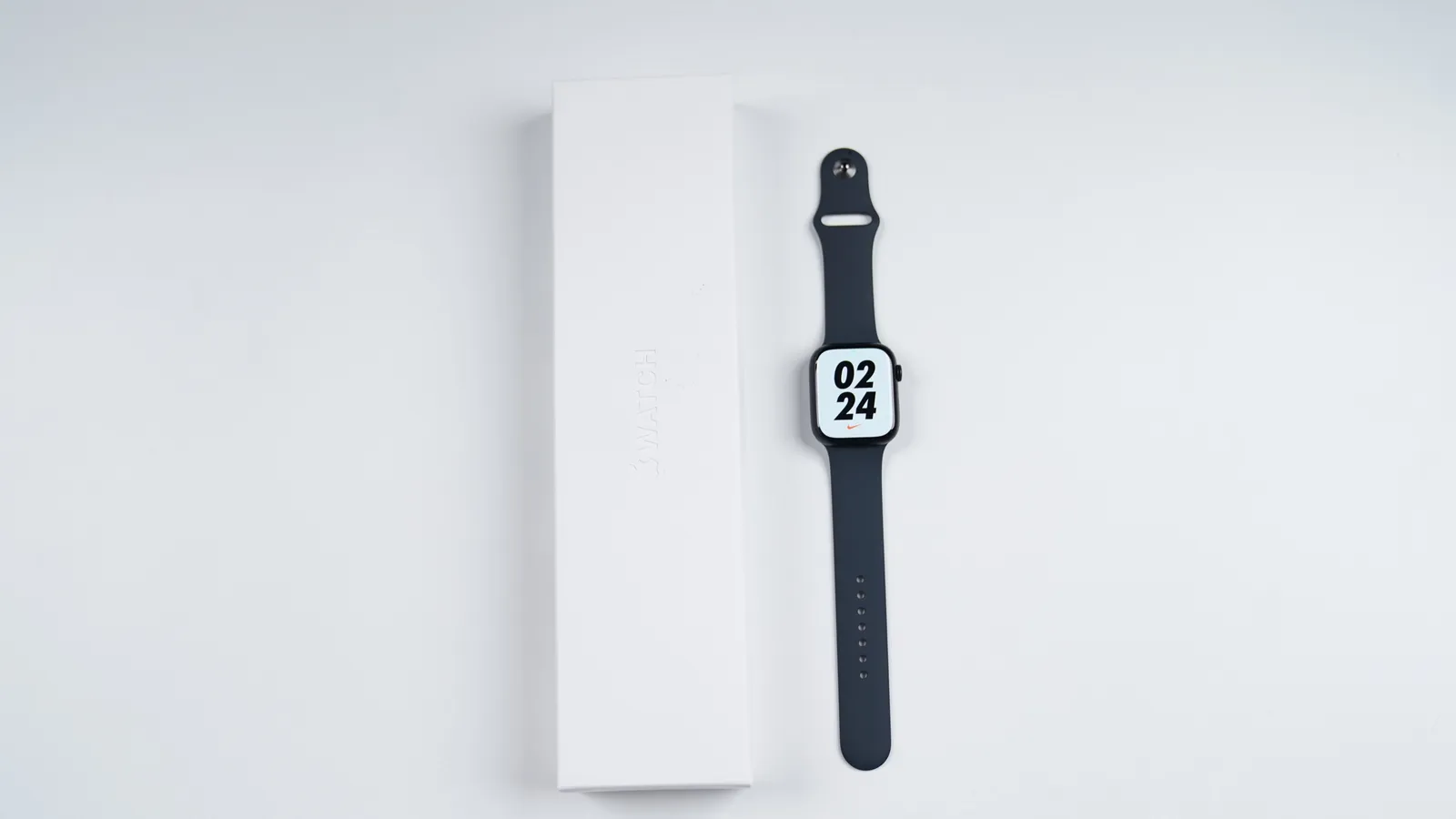
Against a $250 smartwatch, the comparison is philosophical. The F-91W does nothing except tell the time for seven years without being charged. It will not track your sleep, and it also will not need software updates, a subscription, or a nightly charge. Six months in, the absence of notifications on my wrist has been the most pleasant thing about it.
Against the closely related A158 or A168 metal-bracelet Casios at $25-35, you get a metal case and bracelet that look considerably smarter for not much more money, at roughly double the weight. If the watch is going on a wrist in an office rather than a gym, those are worth a look.
Who should buy this
Buy it if you want to know the time, if you want something you never charge, if you'd rather not risk an expensive watch in a workshop or on a beach, or if you want a second watch that lives in a bag permanently. Buy it as a first watch for a child — at $15, losing it is a shrug.
Skip it if you swim regularly, if you need a loud alarm, if you need to read the time in the dark, or if two minutes of drift per six months would irritate you. And buy it from a shop you trust, because the counterfeit market for this specific watch is enormous.
Verdict
Six months in, the F-91W has done exactly what a $15 watch should: kept time within spec, weighed nothing, needed nothing, and cost less than lunch. It gained 137 seconds over half a year, survived daily showers it isn't rated for, and its resin strap has already started to crack at a pin hole — the failure everyone eventually gets. The light is genuinely bad, the alarm is too quiet to rely on, and the button interface needs a manual. None of that stops it being the most sensible watch purchase available, provided you know it is splash-proof rather than waterproof.
We compared prices across retailers so you don't have to.