Gaiam 6 mm Yoga Mat Review: 130 Sessions and One Slippery Failure Mode
Six millimetres is the right compromise for a mixed practice and the floor grip never faltered — but PVC gets genuinely slippery once your palms sweat, and no texture fixes that.
As an affiliate, Keen Review earns from qualifying purchases.
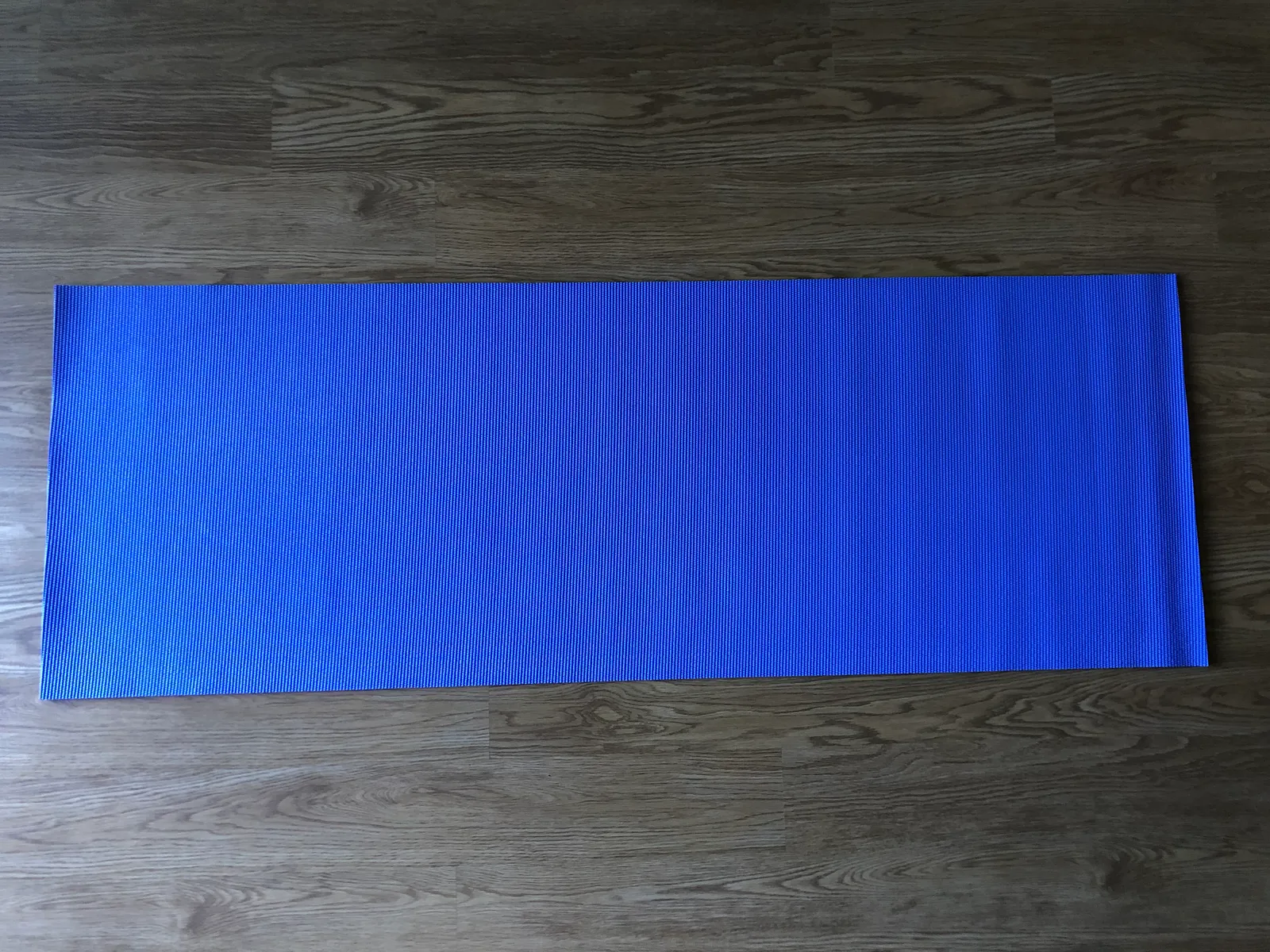
A $25 yoga mat and a $95 yoga mat both stop your knees hurting on a hard floor. The differences are grip when you sweat, whether the mat slides on the floor, how long the surface lasts, and what it smells like for the first fortnight. I used a 6 mm PVC Gaiam mat five days a week for six months — about 130 sessions of yoga and floor strength work — and tested it deliberately against a thin travel mat and a thick foam exercise mat.
It is a good mat with one genuine failure mode that matters if you sweat, and one that matters in the first two weeks.
The smell, which is real and temporary
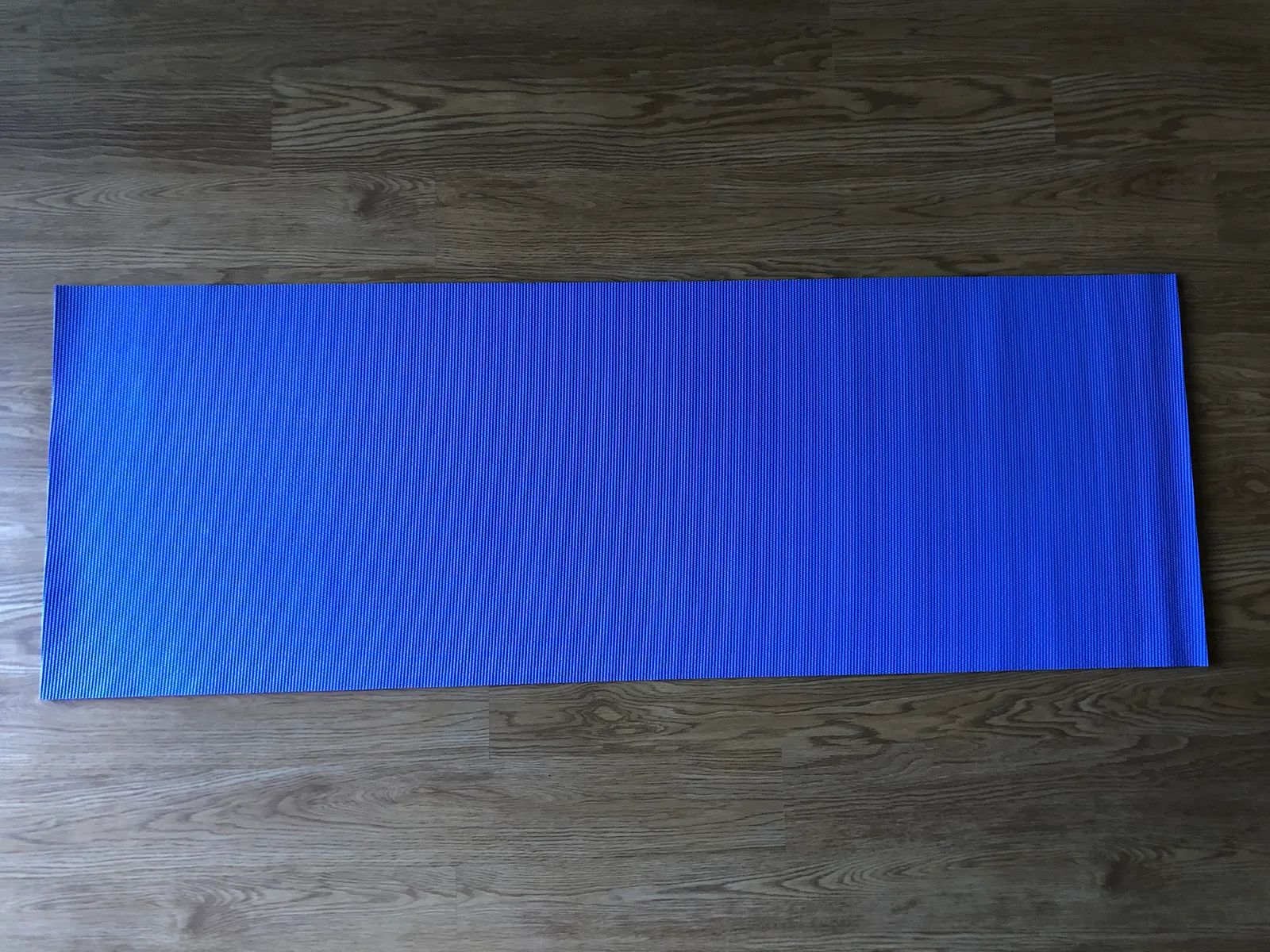
Unrolled from the packaging, the mat had a strong chemical PVC smell that filled a small room. This is normal for PVC mats and it is the most common complaint in every review of every mat of this type.
What worked: unrolling it and leaving it in a ventilated room, out of direct sun, for four days, then wiping it with a cloth dampened with water and a little white vinegar. By day five it was faintly detectable up close; by week two it was gone entirely and has not returned in six months.
What did not work: using it immediately. My first two sessions were unpleasant because my face spends a good deal of time close to the mat, and this is not something you can ignore. Plan to buy it a week before you need it.
Thickness: 6 mm is the right compromise
I tested three thicknesses across the six months. A 3 mm travel mat gave excellent stability in standing balance poses and was genuinely uncomfortable for kneeling and any pose putting weight on a single knee or elbow. A 12 mm foam exercise mat was comfortable for floor work and unusable for balance — in tree pose the surface compresses unevenly under one foot and you wobble constantly.
The 6 mm PVC mat sits in between and gets both jobs adequately. Kneeling is comfortable, forearm plank is comfortable, and standing balance is stable enough that I never noticed the surface. If you only do one style, buy for that style; if you do a mixed practice, 6 mm is the answer.
Grip, dry and wet — the real failure mode
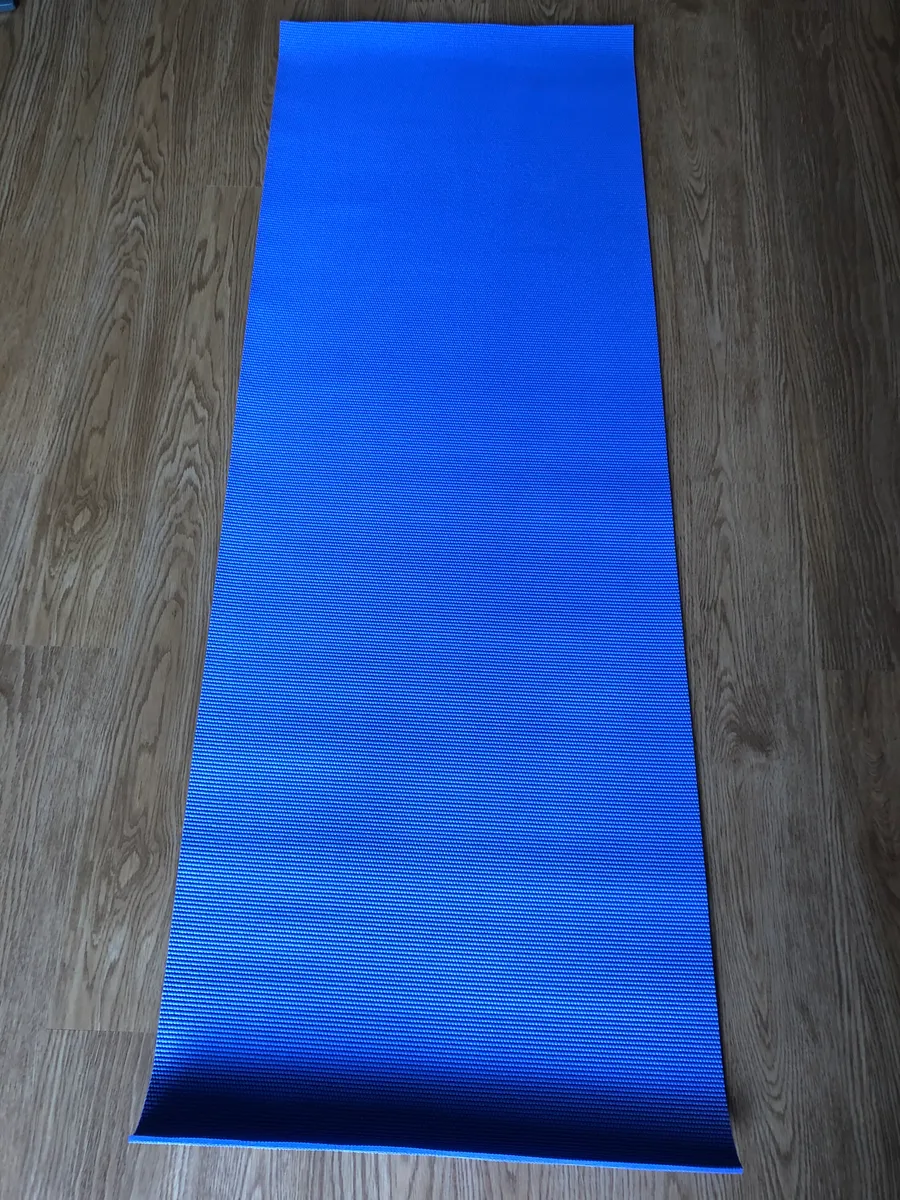
Dry, the textured surface is excellent. In downward dog on a wooden floor my hands did not move at all, and the underside stayed planted with no creeping across the floor, which is the most annoying failure a mat can have.
Wet is a different story. Once my palms were properly sweaty — about twenty minutes into a warm session — my hands began to slide forward in downward dog and plank. PVC gets slippery when wet, and no amount of surface texture prevents it. This is a material property, not a manufacturing defect.
The fixes, in order of how well they worked: a small towel across the top of the mat under the hands, which is free and works completely; a $25 microfibre mat towel that covers the whole mat and grips better as it dampens; or buying a natural rubber mat instead, which grips better wet and costs $80-120.
If you do hot yoga or sweat heavily, do not buy a PVC mat. That is the clearest recommendation in this review.
Six months of wear
The surface texture has worn visibly smooth in the two places my hands go in downward dog and where my feet plant in standing poses. That's about 130 sessions to produce noticeable wear, and the smoothed patches are exactly where grip matters most — so the mat's grip has degraded slightly over the test rather than staying constant.
No tearing, no delamination, no permanent creases from rolling. The mat rolls up and stays rolled without a strap, which cheap mats often fail to do after a few months of being stored flat.
The edges are the weak point on any PVC mat and mine show slight fraying at one corner where it has been dragged rather than lifted. Cosmetic.
Cleaning, and what not to use
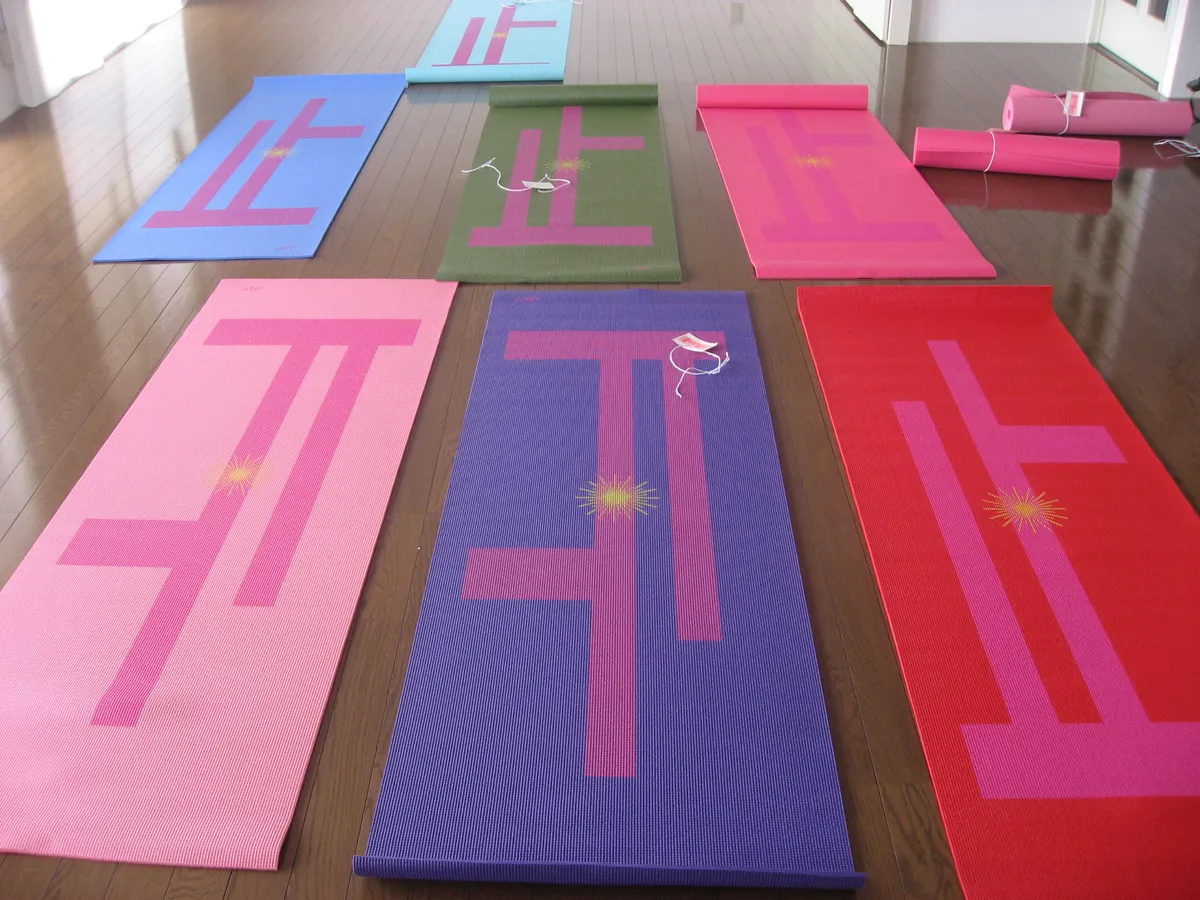
My routine is a wipe with a damp cloth after any sweaty session and a proper clean every fortnight: water with a few drops of mild dish soap or a 1:4 white vinegar solution, wiped on and wiped off, then air dried flat for an hour before rolling.
Things that damage a PVC mat and that I tested or avoided deliberately: alcohol-based cleaners, which dry and eventually crack the surface; essential oils, which degrade PVC over time despite being recommended constantly in yoga circles; and direct sunlight for drying, which makes the material brittle. Never put it in a washing machine — the mat is not laminated to survive it and it will not survive a spin cycle.
Rolling it with the top surface facing outward means it lies flat when unrolled instead of curling up at the corners. Small thing, works every time.
The material question, honestly
PVC is the cheapest mat material, the most durable in normal use, and the least environmentally defensible. It is not biodegradable, it is difficult to recycle in practice, and manufacturing it is not clean. Gaiam's mats are stated to be free of the phthalate plasticiser DEHP, which addresses one specific concern rather than the general one.
The alternatives each trade something. Natural rubber grips better wet, weighs considerably more, degrades in sunlight and is unusable for anyone with a latex allergy. TPE is lighter and recyclable and wears out faster. Cork over rubber grips well when damp and is the most expensive.
If the material matters to you more than the price, natural rubber is the better mat and costs three to four times as much. If you want a mat that works and lasts and costs $30, this is what that looks like.
Size, weight and carrying
Mine is 173 x 61 cm — the standard length, and genuinely short for anyone over about 180 cm tall. In a full-length savasana my heels were on the floor. The 183 cm long version exists and costs a few dollars more, and taller people should buy it without thinking about it.
Weight is 1.6 kg, which is fine for carrying to a class occasionally and heavy for a daily commute with other things. A 3 mm travel mat at 0.9 kg is the answer for that, and it is genuinely worse to practise on.
No carry strap is included on the basic version, which is a $6 accessory that makes the mat considerably easier to transport than tucking it under an arm.
Beyond yoga: what else it got used for
About half of my 130 sessions were not yoga. Floor strength work — planks, glute bridges, dead bugs, push-ups — is where a mat earns its keep for people who don't do yoga at all, and the 6 mm thickness handled all of it.
Two limits emerged. Anything involving dropping weight onto the mat is out: I set a 16 kg kettlebell down on it once and the mat took a permanent compressed dent about 2 mm deep. And any exercise where you pivot hard on one foot — lateral hops, agility work — scuffs the top surface faster than yoga does, because PVC scuffs under twisting rubber-soled shoes.
Shoes generally are the thing to avoid. Two sessions in trainers left grey marks that wiped off but also visibly polished the texture. If you want a mat for shoe-on work, a thicker rubber gym mat is the right product and costs about the same.
Against the alternatives
Against a $12 supermarket mat, the difference is density and floor grip. Cheap mats compress to nothing under a knee within a month and slide across hard floors, and both are the reasons people give up on home practice.
Against a $95 natural rubber mat, you give up wet grip, which is the single most important property if you sweat, and durability of the top surface. You save $65 and 1 kg of weight.
Against a folded blanket or carpet, a mat's real function is a defined non-slip surface with consistent thickness. Carpet is soft and unstable; a hard floor is stable and painful. That gap is what $30 buys.
Who should buy this
Buy it if you practise at home on a hard floor, if your sessions are moderate rather than dripping, and if you can unroll it a week before you need it. Buy the 183 cm length if you're tall, and add a $6 strap if it will travel.
Skip it if you do hot yoga or sweat heavily — a rubber or cork mat is worth the money specifically for wet grip. Skip it if the material matters to you on environmental grounds, since PVC is the hardest of the options to defend. And skip anything under about $20, which will compress flat and slide on your floor.
Verdict
Six months and 130 sessions in, this mat has done its job: no knee pain, no sliding across the floor, still rolls flat, still intact at the edges. The 6 mm thickness is the right compromise for a mixed practice and the price is hard to argue with. Against that: a strong chemical smell that took a week of airing, a surface that becomes genuinely slippery once your palms sweat, visible texture wear exactly where the hands go after 130 sessions, and a standard length that is short for anyone tall. Good value, provided you don't sweat much.
We compared prices across retailers so you don't have to.