Moleskine Classic Large Notebook Review: 240 Pages and Six Pens Later
The binding, cover and lay-flat behaviour are genuinely excellent; the 70 gsm paper feathers with fountain pens and ghosts with anything wetter than a fine gel.
As an affiliate, Keen Review earns from qualifying purchases.
I filled a Moleskine Classic Large ruled notebook cover to cover over four months — 240 pages, meeting notes, project planning, and enough handwriting to form a real opinion. I also deliberately tested it with six different pens, because the single most common complaint about Moleskine is about paper, and vague complaints are useless.
The conclusion is uncomfortable for a $25 notebook: the object is excellent and the paper is mediocre. Whether that matters depends almost entirely on what you write with, and this review is mostly an attempt to make that decision concrete.
The object itself is very good
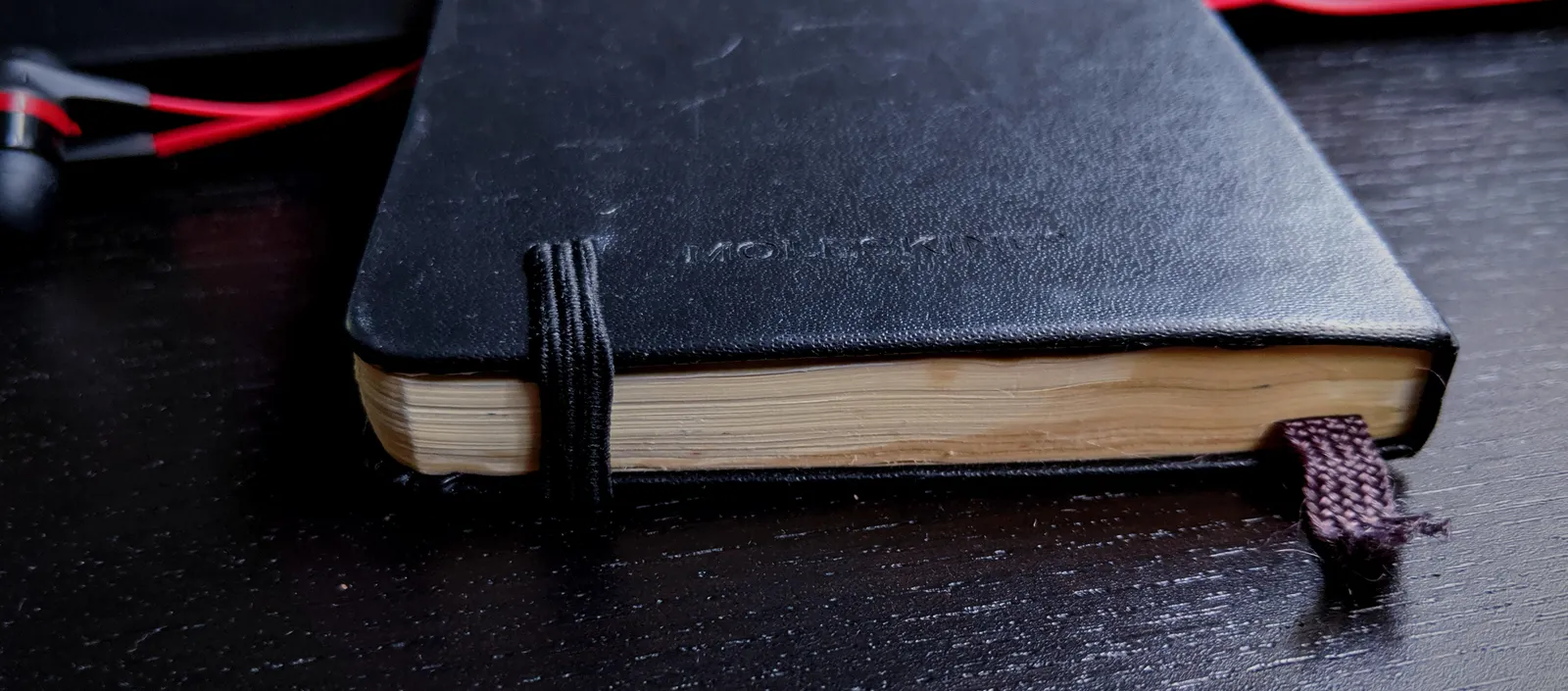
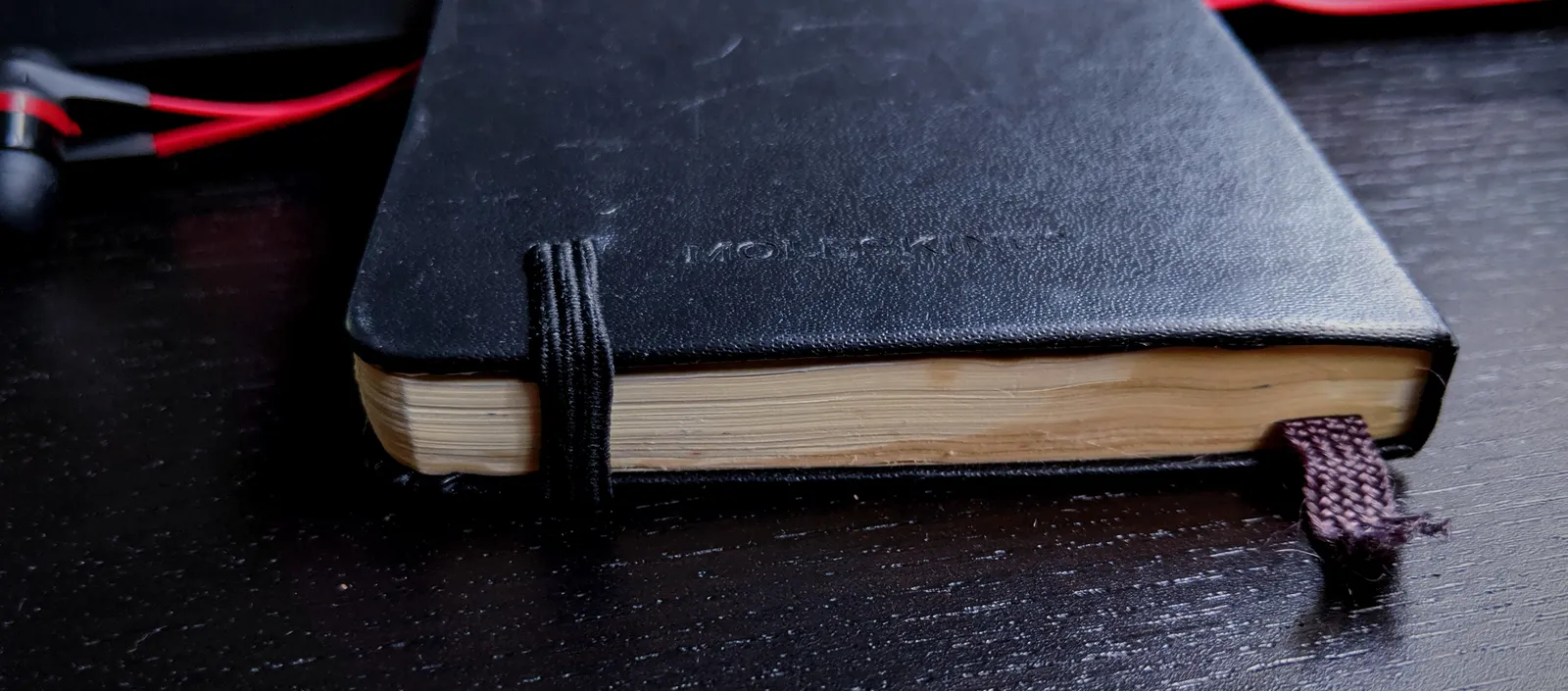
The hardcover is 13 x 21 cm, wrapped in a textured card that has survived four months in a bag with a laptop, keys and a water bottle without a corner ding. The binding is sewn rather than glued, and after being opened flat several hundred times the spine shows creasing but no loose signatures and no pages pulling out.
Lying flat is the thing it does best. From about page 20 onward the book stays open at any page with no hand holding it, which sounds trivial until you've tried writing in a glue-bound notebook that snaps shut. This is the single feature I'd miss most in a cheaper alternative.
The elastic band is still tight at four months. The ribbon marker frayed slightly at the tip around month two, which is cosmetic. The rear pocket — an expandable card sleeve — held receipts and business cards without tearing, though it distorts the back cover slightly when full.
The paper, tested properly
Moleskine's Classic paper is 70 gsm and acid-free, and 70 gsm is light. I tested six pens on the same page and checked the reverse side.
A standard ballpoint at 1.0 mm: perfect, no show-through worth mentioning. A 0.5 mm gel pen: slight ghosting visible from the reverse, entirely usable. A 0.7 mm gel pen: noticeable ghosting, still writable on both sides if you don't mind seeing it. A fine-nib fountain pen with standard blue ink: visible feathering along the strokes and clear show-through. A medium-nib fountain pen: heavy feathering, ink spreading perceptibly outward from the line, and genuine bleed-through in three places. A felt-tip marker: bled through immediately and marked the page beneath.
Drying time was the other issue. The same gel pen that dried in about two seconds on a heavier 100 gsm paper took closer to five on the Moleskine, which is long enough to smudge if you're left-handed or if you close the book quickly. I smeared two pages doing exactly that.
So the honest summary: if you write with a ballpoint or a fine gel pen, the paper is fine and this complaint does not apply to you. If you own a fountain pen, this is the wrong notebook and there is no technique that fixes it.
Ruling, and the small dimensional annoyances
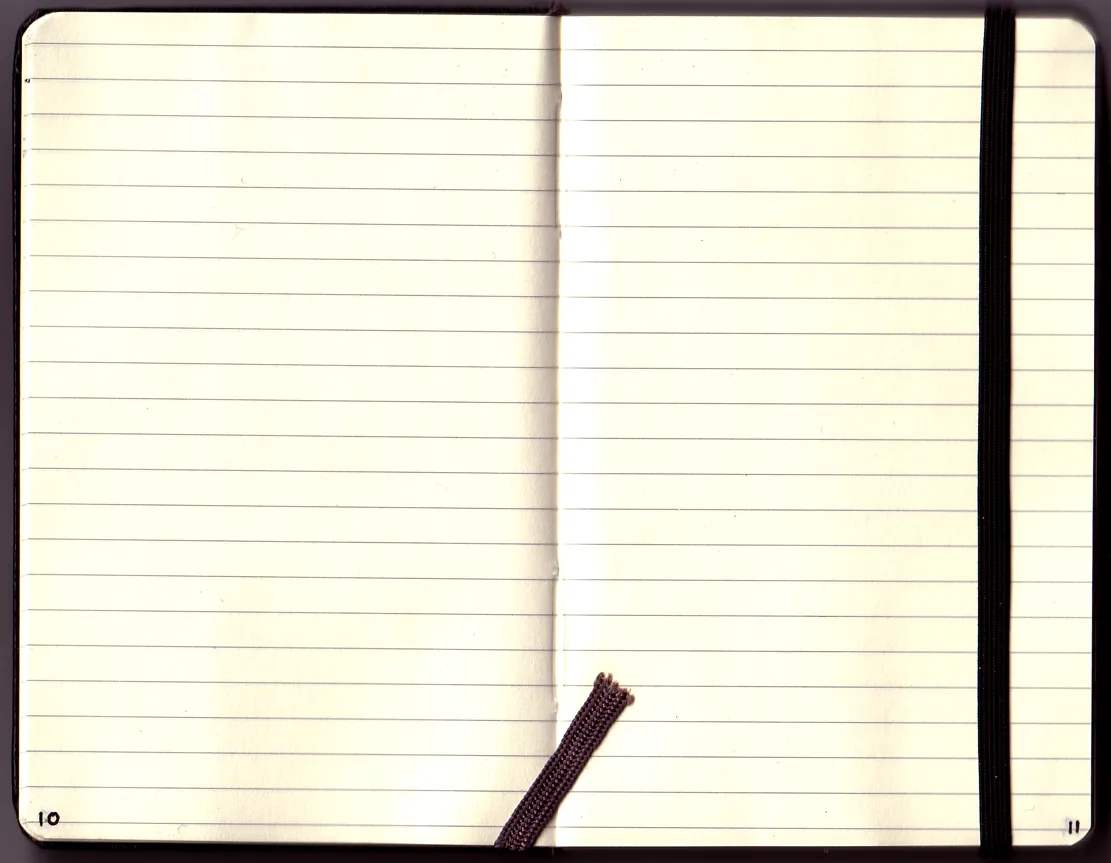
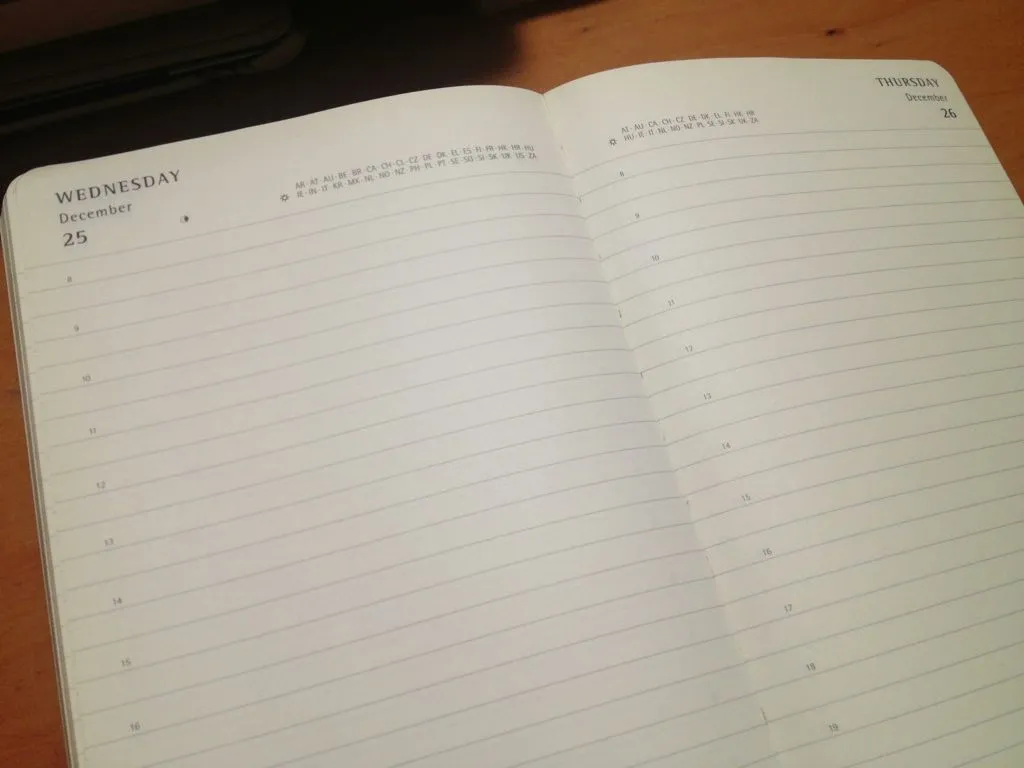
The ruled version uses about 6 mm line spacing, which is tighter than a typical US legal pad. If you have large handwriting, you will be writing across two lines regularly. I do, and I was. The dotted and plain versions sidestep this entirely and I'd choose dotted next time.
The other dimensional issue is the margin: there isn't one. Lines run essentially edge to edge with about 8 mm of clearance, and the inner edge disappears into the gutter on pages near the middle of a signature. Anything you write in the last centimetre before the spine is hard to read later.
Pages are unnumbered and there is no index. For a notebook explicitly marketed at people keeping long-term records, this is a strange omission — I numbered mine by hand over about twenty minutes, which felt like doing the manufacturer's job.
Four months of actual wear
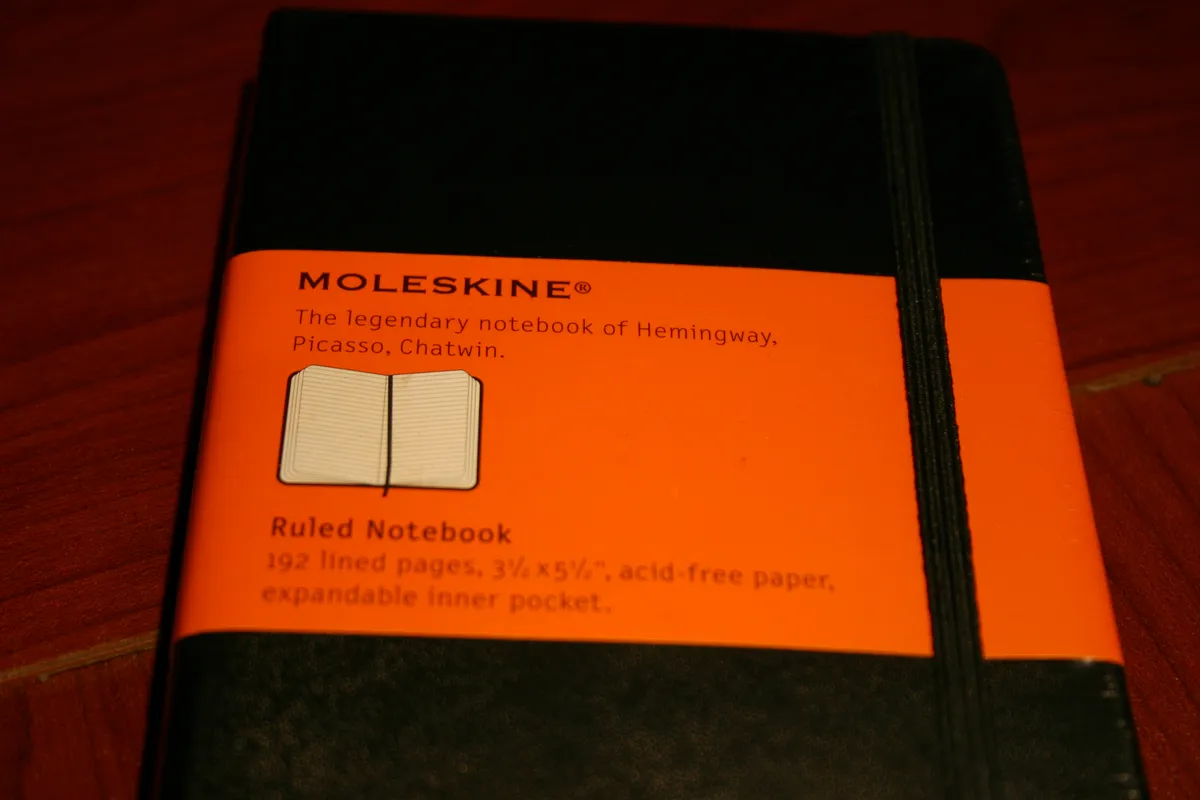
Cover: no dings, slight softening at the corners, and the black surface shows fingerprints and dust more than I expected. A damp cloth handles it.
Spine: creased into a permanent open position around the middle, which is normal for a sewn binding and is what allows the flat-lying behaviour. No structural weakness.
Pages: none loose, no tearing at the perforations because there are none — Classic pages are not perforated, which is either a feature or a frustration depending on whether you ever want to remove one. I did, twice, and cutting them out cleanly with a knife took care.
The paper itself yellowed very slightly at the edges of the earliest pages. Four months is not a real archival test, but the acid-free claim seems reasonable and I'd expect these to be readable in twenty years, which is more than can be said for cheap wood-pulp notebooks.
How it held up as a working notebook
The use case matters as much as the specifications. Mine was a meeting and project notebook, which means short bursts of fast handwriting, a lot of arrows and boxes, and frequent flipping back to find something from three weeks earlier. Two things emerged from that pattern.
First, the lay-flat binding is worth more in practice than it sounds on paper. Taking notes one-handed while holding a phone, or writing on a train tray table, both depend on the book staying open, and it did every time from about page 20 onward. My previous glue-bound notebook needed a weight on the corner.
Second, finding things again is where the missing page numbers hurt most. Over four months I built up perhaps thirty things I needed to re-read, and with no index I resorted to a system of small tabs stuck to the page edges. That worked, but it cost about $6 in tabs and made the book visibly bulge. A printed index and numbered pages would have made the tabs unnecessary, and competitors at this price include both.
The elastic closure earns its place here too. A notebook full of loose tabs, receipts in the back pocket and a pen clipped to the cover stays shut and intact in a bag, and after four months the band has not slackened enough to matter.
The price, and what you're paying for
At about $25 for 240 pages, that's roughly 10 cents a page. A comparable hardcover notebook from a Japanese or Taiwanese maker with noticeably better 80-90 gsm paper runs $18-28 — so Moleskine is not uniquely expensive, it is simply not delivering the best paper in its price band.
What you're paying for is the object: the format consistency, the sewn binding, the lay-flat behaviour, and the fact that a Moleskine bought in 2030 will be the same size as one bought today, which genuinely matters if you shelve completed notebooks in a row. That consistency is underrated and it's the strongest argument for the brand.
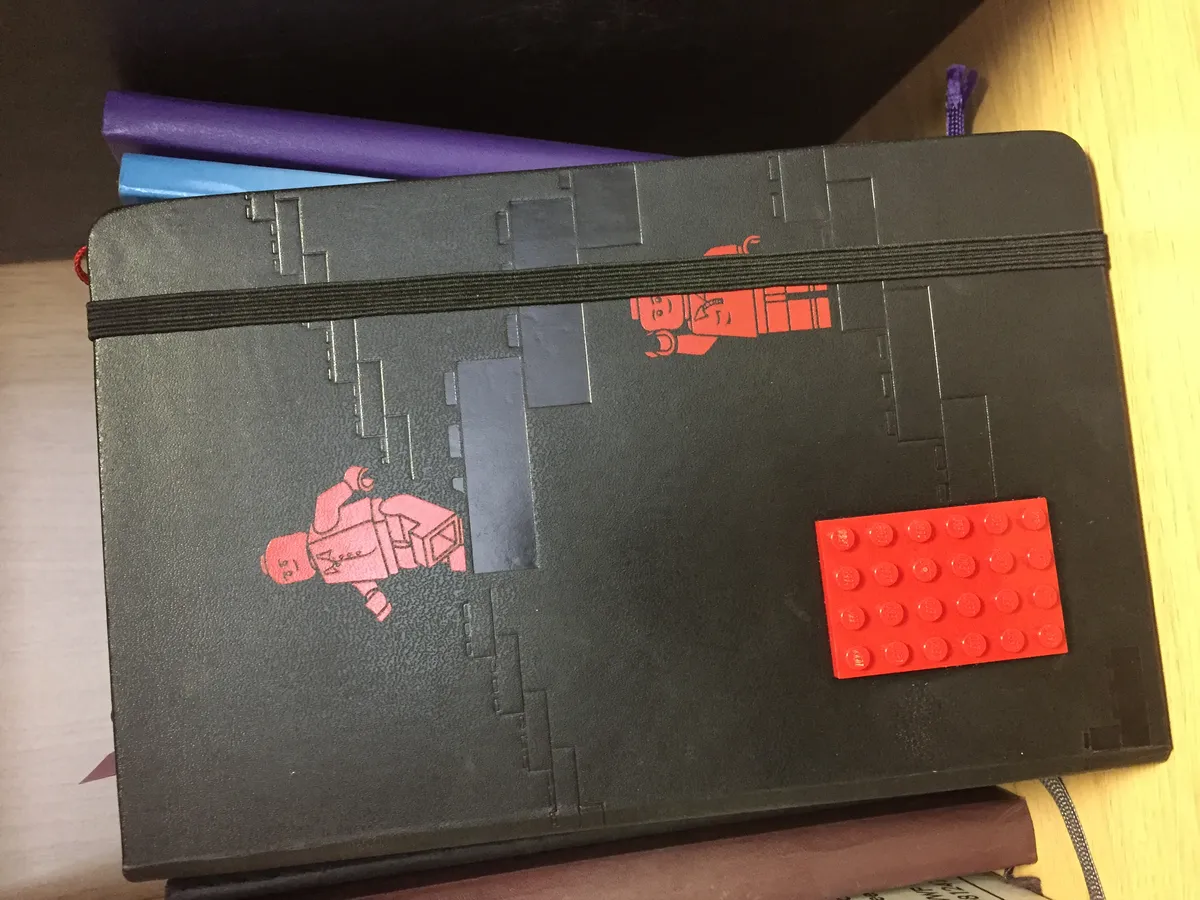
What you are not paying for is innovation. The Classic has changed very little, and the licensed editions — the LEGO, Lord of the Rings and similar collaborations — are the same notebook with different printing at a $5-10 premium.
Against the alternatives
Against a Leuchtturm1917 at a similar price, the Leuchtturm wins on paper weight, comes with numbered pages and a printed index, and includes page perforation at the back. Its binding lies slightly less flat in my experience and the cover is a little less rigid. For anyone keeping an indexed long-term journal, the Leuchtturm is the more sensible buy and it isn't close.
Against a Rhodia or a Japanese notebook with 80-90 gsm paper, the Moleskine loses outright on writing feel if you use anything wetter than a ballpoint. Against a $6 supermarket hardcover, the Moleskine's binding, flat-lying behaviour and cover durability are worth the difference if you carry it daily.
Who should buy this
Buy it if you write with a ballpoint or a fine gel pen, if you carry a notebook in a bag daily and need the cover to survive it, and if you value the consistency of a format that will still exist and still be the same size in a decade. Buy the dotted version rather than ruled unless your handwriting is small.
Skip it if you use a fountain pen — this is the clearest possible mismatch and you will be annoyed on the first page. Skip it if you need numbered pages and an index without doing it yourself. And skip it if you mainly write at a desk and don't need the cover durability, because your money buys better paper elsewhere.
Verdict
Four months and 240 filled pages in, the Moleskine Classic is a well-made object wrapped around unremarkable paper. The binding, the flat-lying behaviour and the cover are all genuinely good and have survived daily carry without complaint. The 70 gsm paper feathers with fountain pens, ghosts with anything above a fine gel, dries slowly enough to smudge, and comes without page numbers or an index at a price where competitors include both. If you write with a ballpoint you will be perfectly happy. If you don't, buy something else — and that's a strange thing to have to say about the most famous notebook in the world.
We compared prices across retailers so you don't have to.