Away Bigger Carry-On Guide: Airline Size, Packed Weight, Returns, and Warranty
Decide whether Away's Bigger Carry-On fits your trips by checking airline limits, packed dimensions, weight, mobility, returns, warranty date, and accessories.
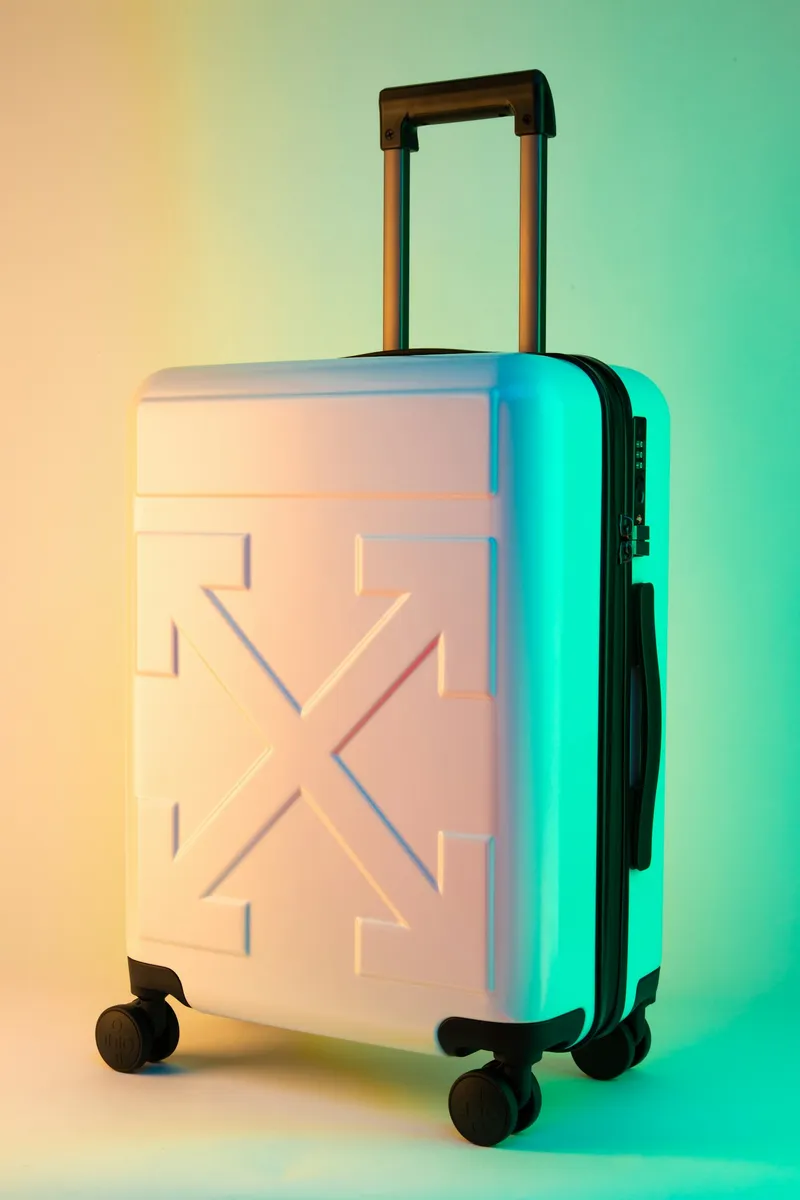
Carry-on luggage is judged by more than whether it closes. It must meet the operating airline's exterior and weight rules, move through the trip, fit the traveler, and remain manageable on stairs, trains, curbs, and small hotel floors. Away's Bigger Carry-On creates more packing room than its standard model, which makes airline verification especially important.
This guide explains how to compare the bag with an itinerary, run a realistic home test, and read current return and warranty terms. Policies and airline limits change, so confirm the official sources close to the purchase and departure dates.
Quick answer
Choose The Bigger Carry-On only when every important airline permits its packed exterior size and the traveler can lift the final weight. Trial pack indoors, include wheels and handles in measurements, test mobility, and keep a gate-check plan. Check the unused return policy and warranty that applies to the exact purchase date.
| Decision | Bigger Carry-On question | Alternative signal |
|---|---|---|
| Airline fit | Does every operating carrier allow the dimensions? | Use the standard Carry-On or smaller bag. |
| Weight | Can the loaded case meet limits and be lifted safely? | Pack less or choose a lighter case. |
| Mobility | Do spinner wheels suit the route and surfaces? | A backpack or two-wheel case may work better. |
| Capacity | Will 47.9 liters reduce checked baggage? | Extra room may only encourage overpacking. |
| Warranty | Which terms apply to the purchase date? | Do not rely on an older review. |
Audit operating carriers instead of ticket branding
A codeshare itinerary can be sold by one airline and operated by another. Check the carrier operating each segment, fare class, carry-on dimensions, weight, and personal-item allowance. Regional aircraft may have smaller bins even when the main airline generally accepts larger cases. Save the policy or note the measurement near departure.
Away's product page describes the Bigger Carry-On as fitting many major airlines and recommends the standard model for stricter carriers. That wording requires a route-specific decision. A sale cannot compensate for repeated gate checks or baggage fees.
Measure the bag after packing
External measurements include wheels, handles, and any bulge created by the load. Pack the actual shoes, clothing, toiletries, and electronics, close the compression system normally, and measure height, width, and depth. Do not force the shell or zipper beyond its intended shape to match a limit.
Use a luggage scale and compare with the strictest allowance. The empty suitcase consumes part of the total. Leave a weight buffer for scale differences and items acquired during travel. A larger volume should reduce checked baggage only when the final mass remains manageable.
Test the whole ground journey
Roll the loaded suitcase across clean hard floor, carpet, thresholds, and around tight corners. Extend the handle to each stop and check flex, height, and wrist comfort. Lift the bag onto a stable surface using safe technique and test the underside handle. Consider stairs, train racks, cobblestones, and hotel elevators on the route.
Four spinner wheels improve maneuverability on smooth surfaces but can be less efficient on broken pavement. Travelers with long walking transfers may prefer a lighter case, two-wheel design, or backpack. Choose for the complete trip rather than the airport terminal alone.
Use compression without creating a sizing problem
Internal compression can stabilize clothing and create organization, but it does not reduce the weight. Overpacking can increase shell stress, distort the zipper line, and make the case difficult to close or measure. Start with a packing list and laundry plan before using compression to add more items.
Organizers should match the interior dimensions and trip. Packing cubes can simplify hotel routines but add cost and a little weight. Trial pack with existing pouches before buying a branded set.
Read return condition and warranty date
Away currently describes a 100-day return or exchange window for unused items, subject to exclusions. A home packing test can preserve condition when done carefully. Travel scratches, wheel wear, stickers, and checked-baggage handling can remove the simple return option. Keep the box until the unused evaluation is complete.
Warranty terms changed for selected purchases beginning April 14, 2026. The applicable coverage depends on the product and order date. Read the current policy, save the receipt, and understand the claim process before assigning a lifetime value based on an older review.
Prepare for gate checking
Even a compliant carry-on can be gate-checked when bins are full or aircraft are small. Pack a removable pouch with identification, medication, travel documents, keys, fragile electronics, and valuables. Power banks and spare lithium batteries must remain in carry-on baggage under current aviation safety rules.
Locking the suitcase does not eliminate risk. Keep irreplaceable items with you and photograph the bag before handing it over. Confirm where it will be collected, especially on regional or international connections.
Common mistakes to avoid
- Checking the marketing airline list instead of every operating carrier.
- Measuring the empty shell without wheels, handles, or packed bulges.
- Ignoring airline weight limits because the bag is carry-on size.
- Buying packing accessories before a trial pack.
- Assuming an older lifetime-warranty review applies to a 2026 order.
- Leaving power banks in a suitcase that may be gate-checked.
Final buying checklist
- Record every airline, fare, size, and weight limit.
- Measure the fully packed exterior.
- Weigh the suitcase with a useful buffer.
- Test rolling, lifting, handles, and small-room opening.
- Use compression to stabilize, not overfill.
- Read the current unused return policy.
- Confirm warranty by product and purchase date.
- Pack a removable gate-check essentials pouch.
Frequently asked questions
Is The Bigger Carry-On too large for Europe?
Some European and low-cost carriers use limits smaller than many US airlines. Check each operating carrier and fare. The standard Carry-On or a smaller bag may be safer for a mixed itinerary.
How much can The Bigger Carry-On hold?
Away lists about 47.9 liters, but useful capacity depends on packing shape and airline weight. Do a representative trial instead of treating volume as a promise for a specific number of days.
Can it be returned after one trip?
Away's current return language applies to unused items and includes conditions and exclusions. Travel generally changes the condition. Complete a careful indoor test before deciding to use it.
What warranty applies to a new Away suitcase?
Away changed selected warranty terms for purchases from April 14, 2026. Check the official warranty page for the exact product and order date and retain proof of purchase.
Should I choose the Bigger Carry-On or standard Carry-On?
Choose the larger model only when airline limits and lifting ability support it. The standard model can be the better value for stricter carriers, regional travel, and travelers who tend to overpack.