Freshwater Aquarium Buying Guide: What First-Time Fishkeepers Actually Need
A practical, no-upsell guide to choosing tank size, filtration, heating, lighting, and substrate for a first freshwater aquarium, plus the stocking mistakes that sink most beginner tanks.
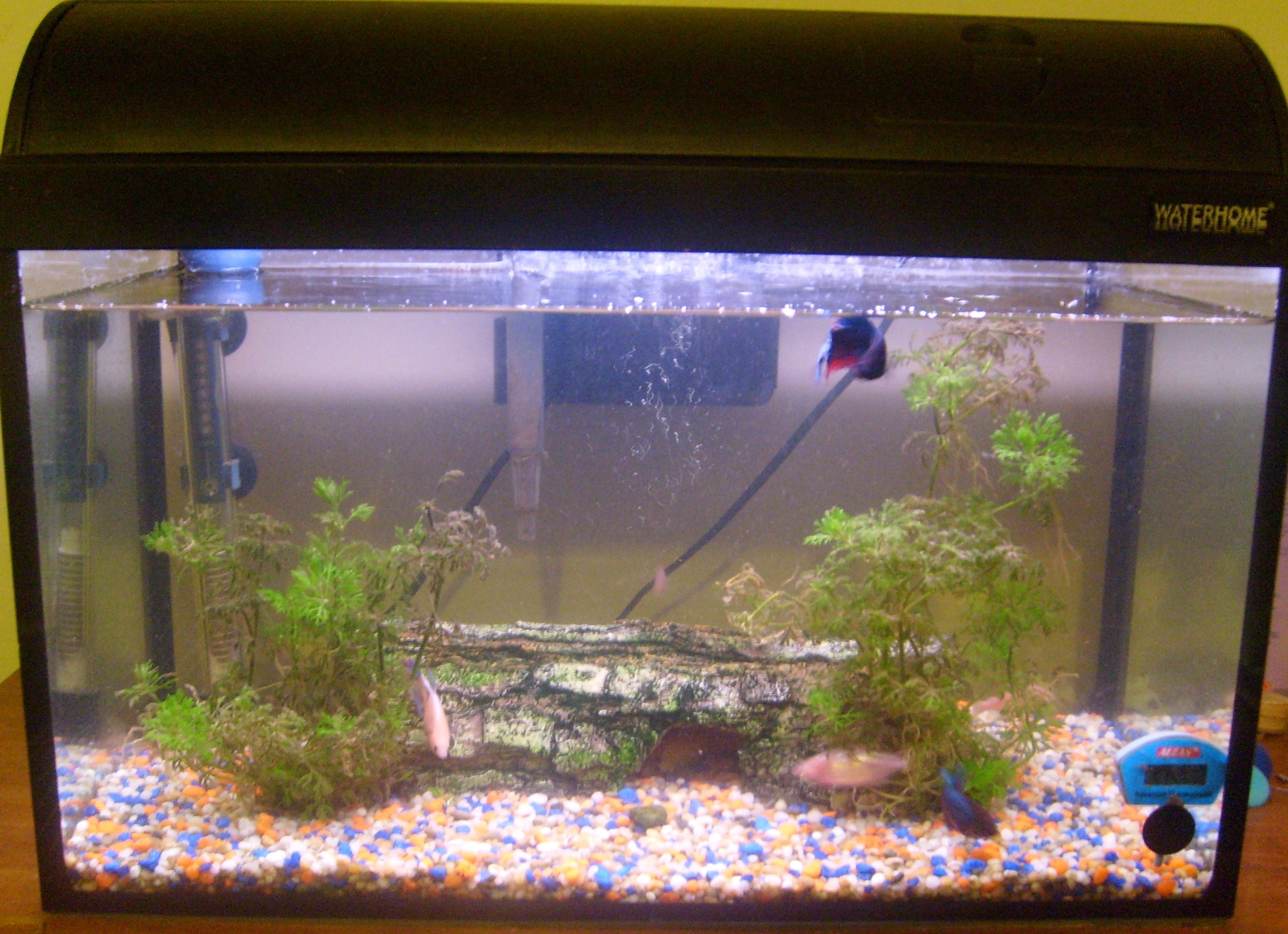
Every first-time fishkeeper hits the same wall about three weeks in: the water goes cloudy, a fish dies for no obvious reason, and the "simple" ten-gallon starter kit suddenly feels like a chemistry experiment nobody explained. That's not bad luck — it's the predictable result of a hobby that gets marketed as low-effort when the actual mechanics (bacteria colonies, ammonia chemistry, heat and flow) are invisible until something breaks. This guide walks through the real decisions behind a freshwater setup: how big to go, what kind of filter actually fits your maintenance style, why you have to wait before adding fish, and where beginners lose fish through avoidable mistakes.
None of this requires being a chemist. It requires understanding four or five relationships — tank volume to water stability, filter type to bioload, heater wattage to tank volume, and stocking level to both — well enough to make deliberate choices instead of guesses.
Quick answer: what to actually buy for a first tank
- Tank size: 20–29 gallons (75–110 L) in a long-and-shallow format, not the classic 10-gallon starter kit — bigger water volume swings less and forgives mistakes.
- Filtration: a hang-on-back (HOB) power filter rated for 1.5–2x your tank's gallonage, or a canister filter on tanks 40 gallons and up.
- Cycle first: run the tank fishless for 4–6 weeks (or use a bottled bacteria starter alongside a proper fishless-cycle test protocol) before adding any livestock.
- Heater: roughly 3–5 watts per gallon, always with an adjustable thermostat, never a heater without temperature control.
- Lighting: a basic full-spectrum LED for a fish-only tank; a higher-output, plant-rated LED if you want live plants.
- Substrate: fine gravel or sand depending on your fish and plant choices — not coarse, sharp gravel sold purely by color.
- Stocking: add fish gradually over several weeks, not all at once, and research adult size and temperament before buying anything at the store.

Why a bigger tank is usually the easier tank
The single most counterintuitive fact in this hobby: a 20-gallon tank is easier to keep stable than a 5-gallon tank, even though it's more furniture and more upfront cost. Water chemistry — ammonia, pH, temperature — changes faster in a smaller volume of water. Feed a 5-gallon tank a little too much, and ammonia can spike within hours. Make the same mistake in a 20-gallon tank, and it gets diluted across four times the water, giving you time to notice and correct it before it hurts anything.
The tradeoff is real, and worth stating plainly rather than glossing over: a 20-gallon-plus tank costs more (glass, stand, filter, and heater wattage all scale up), takes more floor or counter space, and a full water change means more buckets. If your only realistic footprint is a nightstand, a 10-gallon tank with a light bioload — a small school of nano fish, not a single larger species — can work fine; it just leaves a smaller margin for error and demands more consistent maintenance. For most beginners without a hard space constraint, the 20–29 gallon "long" format (a longer, shallower footprint rather than tall) is the sweet spot: enough water volume to buffer mistakes, enough surface area for oxygen exchange, and still small enough to fit on a standard stand.
Filtration: matching the filter to how you actually live
All three common filter types do the same three jobs — mechanical filtration (trapping debris), biological filtration (housing the bacteria that process waste), and sometimes chemical filtration (activated carbon and similar media) — but they trade off differently on cost, noise, and maintenance style.
- Hang-on-back (HOB) power filters clip onto the rear rim, are the cheapest option, and are easy to service (rinse or swap the cartridge in under a minute). They're the default recommendation for tanks up to about 40 gallons. The downside is more limited biological media capacity than a canister, plus a slight risk of splash noise.
- Canister filters sit outside the tank, often in the stand below, and pump water through a sealed multi-stage media chamber. They hold far more biological media, run quieter, and handle heavier bioloads — a good fit for larger tanks, heavily stocked tanks, or big messy fish. The tradeoff is higher upfront cost, and priming and cleaning is a more involved, occasionally messy job every few weeks.
- Sponge filters are air-driven, inexpensive, and gentle — no strong intake current, which is why they're the standard choice for shrimp, fry, and betta tanks where a power filter's intake could injure small or delicate animals. Their tradeoff is that they provide biological filtration only, with no mechanical polishing of the water, and they rely on an air pump running continuously.

A practical rule that avoids most disappointment: buy a filter rated for a tank size bigger than the one you actually own. A filter rated for "up to 30 gallons" running on a 20-gallon tank gives you real flow-rate headroom, quieter operation as it ages, and margin if you stock a bit heavier than planned. Undersized filtration is one of the most common reasons a tank that looked fine on day one turns cloudy or smelly by week three.
The nitrogen cycle: the part nobody explains at the pet store
This is the single most important concept in freshwater fishkeeping, and it's also the reason so many beginners lose fish in the first month. Fish waste and uneaten food break down into ammonia, which is toxic to fish even at low concentrations. In an established tank, colonies of beneficial bacteria living in the filter media and substrate convert that ammonia into nitrite (also toxic), and a second bacteria population converts nitrite into nitrate (far less toxic, removed through regular water changes). This process is called the nitrogen cycle, and in a brand-new tank those bacteria colonies simply don't exist yet — they take roughly four to six weeks to establish in sufficient numbers.
That's why "cycling" a tank before adding fish matters so much. The standard beginner-safe approach is a fishless cycle: add an ammonia source (pure ammonia drops, or fish food left to decay) to an empty, filtered, heated tank, then test the water every few days with a liquid test kit until ammonia and nitrite both process down to zero within 24 hours, with nitrate accumulating instead. Only then is the tank biologically ready for fish. Skipping this step and adding a full stock of fish on day one is the number one cause of "new tank syndrome" — a wave of fish deaths in the first two to four weeks that looks mysterious but is almost always ammonia or nitrite poisoning from an uncycled tank.
Bottled bacterial starters can shorten this process to roughly one to two weeks when used correctly, but they don't eliminate the need to test and wait — they accelerate colonization, they don't skip it. Either way, patience here is the cheapest insurance policy in the entire hobby: a month of an empty-looking tank costs nothing but time, while a rushed cycle routinely costs the fish themselves.
Heating and thermostats: sizing it right
Most popular freshwater community fish — tetras, rasboras, corydoras, livebearers, many barbs and gouramis — come from tropical waters and need a stable temperature in roughly the 74–80°F (23–27°C) range, well above most homes' ambient room temperature. That means a heater isn't optional for the vast majority of freshwater setups, even in a warm climate, because room temperature still fluctuates overnight and seasonally in ways fish don't tolerate well.
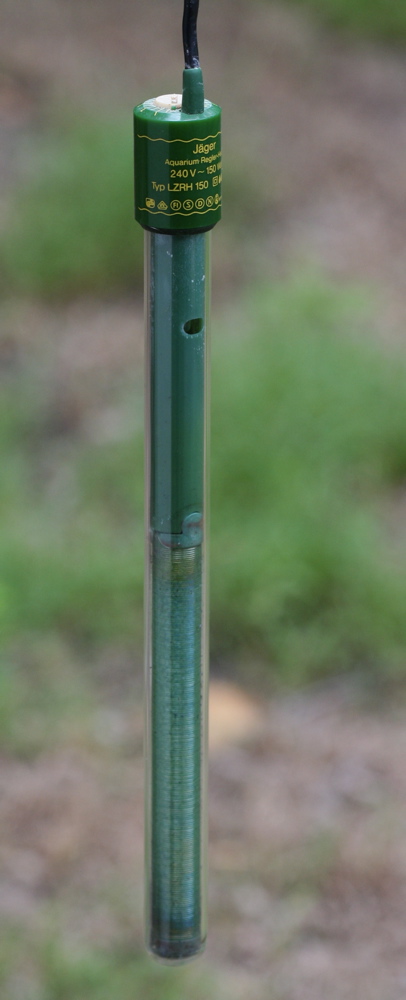
A rough sizing guideline is 3–5 watts of heater capacity per gallon of water, using the higher end of that range for rooms that run cold or tanks that are more exposed, such as a garage or a drafty room. A 20-gallon tank typically wants a 100–150 watt heater; a 40-gallon tank, roughly 150–250 watts, sometimes split across two smaller heaters for redundancy and more even heat distribution. The non-negotiable part isn't the wattage, though — it's the thermostat. A heater with a built-in adjustable thermostat that shuts off at target temperature is standard on any decent modern unit; avoid any heater without one, since an uncontrolled heater can overheat a tank and kill an entire stock of fish in hours. Pairing the heater with a separate stick-on or digital thermometer, checked regularly, catches a stuck or failing heater before it becomes an emergency.
Lighting and live plants vs. a no-plant setup
Lighting is where the honest tradeoff between "simple" and "beautiful" shows up most clearly. A fish-only tank with plastic or no plants needs only modest lighting — enough to see the fish and support a normal day/night cycle, running 8–10 hours a day on a timer. The off-the-shelf full-spectrum LED fixtures that ship with most starter kits handle this fine.

Live plants change the equation. They look better, they absorb some nitrate, and they provide cover and grazing surface for fish, and low-light species like Anubias, java fern, and Cryptocoryne survive on the same basic lighting as a no-plant tank. But a genuinely lush planted tank — dense carpeting plants, colorful stem plants — needs stronger, plant-rated lighting (measured in PAR, not just watts), and stronger light drives faster plant growth, which usually means adding root tabs or liquid fertilizer and, at the higher end, injected CO2 to avoid algae outbreaks from light without enough nutrients to match it. In plain terms: a few low-light plants are a nearly free upgrade over a bare tank; a fully aquascaped planted tank is its own sub-hobby with its own equipment budget and weekly maintenance. Decide honestly which tier you're signing up for before buying lights rated for the wrong one.
Substrate: gravel, sand, and what actually depends on your fish
Substrate is partly aesthetic and partly functional, and the right choice depends on what's living in the tank. Standard aquarium gravel is the most common and forgiving option — it's chemically inert, comes in a range of grain sizes, and anchors plant roots reasonably well. Sand gives a more natural look and is required or strongly preferred for species that sift substrate through their gills or barbels, like corydoras catfish and many loaches — coarse, sharp gravel can damage these fish over time. Sand also compacts more and needs more careful gravel-vacuuming technique to avoid trapping anaerobic gas pockets underneath it.
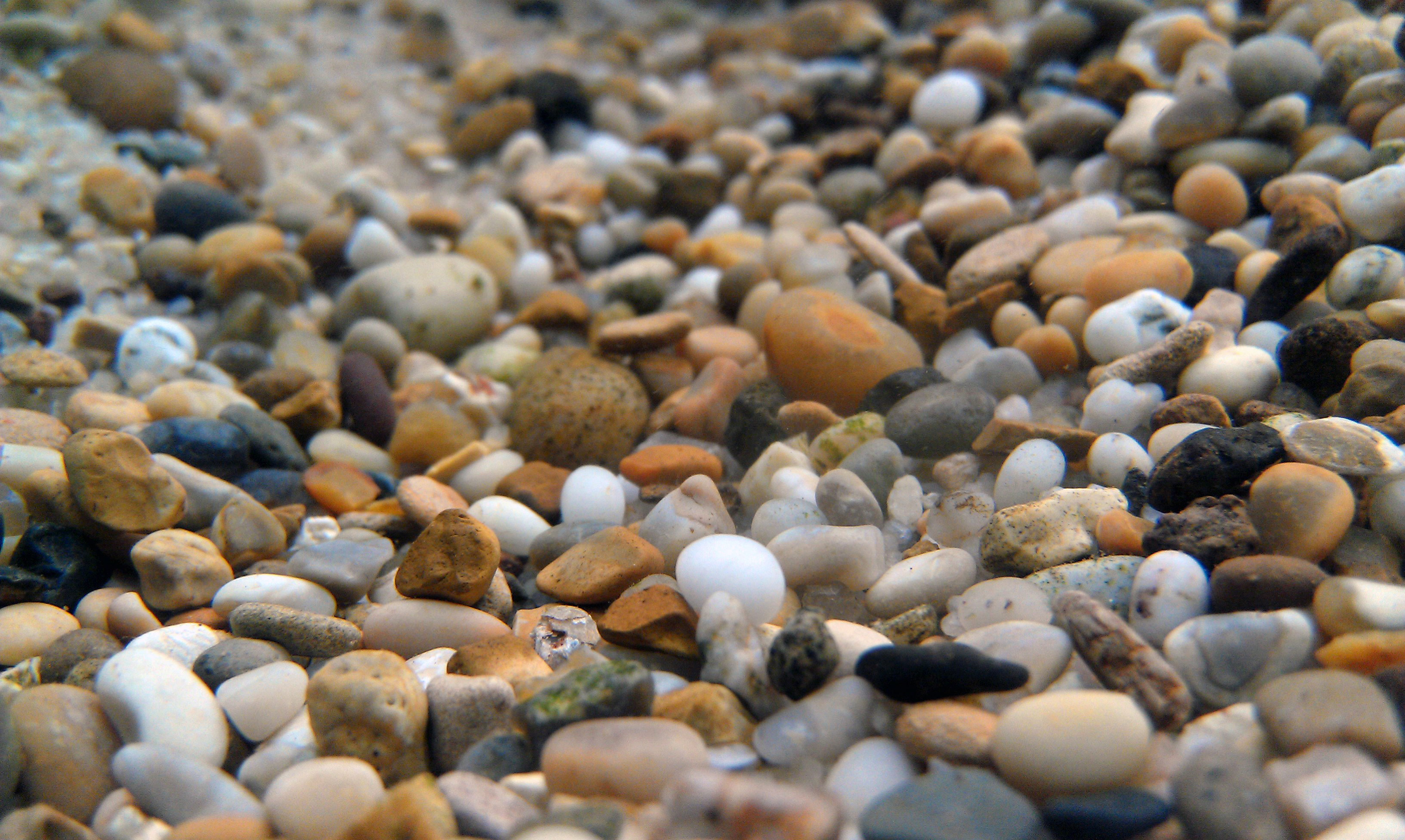
For a planted tank, a nutrient-rich aquasoil or a plain gravel-plus-root-tabs combination gives plants something to actually feed on, whereas plain decorative gravel with no additives leaves plants dependent entirely on water-column fertilizer. Whatever you choose, avoid substrate marketed purely on color with no information about grain shape or chemical inertness — some dyed or crushed coral-based gravels can leach color or alter pH in ways that surprise a beginner months in.
Stocking mistakes that sink beginner tanks
Almost every early failure in this hobby traces back to one of a handful of stocking mistakes, all avoidable with five minutes of research before a purchase.
- Overstocking on day one. Buying a full "final" stock list before the tank has even cycled overwhelms a bacteria colony that hasn't caught up yet. Add fish in small batches over several weeks, testing the water between additions.
- Buying juvenile fish without checking adult size. A common pleco or an oscar sold as a 2-inch juvenile can reach 12–18 inches as an adult, quickly outgrowing anything but a very large tank.
- Mixing incompatible temperaments. Fin-nipping species (some barbs, tiger barbs kept in too small a group) housed with long-finned fish (bettas, fancy guppies), or territorial cichlids housed with placid community fish, routinely ends in injury or death.
- Ignoring schooling requirements. Many popular fish (tetras, rasboras, corydoras) are shoaling species that need groups of six or more to feel secure; kept in pairs or alone, they stress, hide constantly, and can die prematurely.
- Skipping water-parameter research. Some fish (many wild-caught tetras, certain rainbowfish) genuinely prefer soft, acidic water or harder, alkaline water; ignoring a fish's native water chemistry doesn't always kill it outright, but it shortens lifespan and dulls color and breeding behavior.

Ongoing maintenance: the routine and the real cost
A stable freshwater tank isn't "set and forget," but the routine is modest once it's established. Expect roughly 15–30 minutes a week: a 20–30% water change with a gravel vacuum to remove settled waste, a rinse of mechanical filter media in the removed tank water (never tap water, since its chlorine or chloramine can kill the beneficial bacteria you're trying to keep), and a quick check of temperature and, periodically, water parameters with a liquid test kit. Filter media such as cartridges and sponges typically get replaced or supplemented every one to three months depending on the filter type.
On cost: budget roughly $150–350 upfront for a 20–29 gallon setup done properly — tank and stand, filter, heater, basic lighting, substrate, a liquid test kit, and a water conditioner to dechlorinate tap water — more if you add live plants, CO2, or a canister filter. Ongoing costs are modest: a bottle of water conditioner lasts months, filter media replacement is a few dollars every couple of months, electricity for the heater and light adds a small amount to a power bill, and fish food lasts a long time relative to its cost. The real ongoing cost of this hobby is time and consistency, not money — a tank that gets its weekly water change on schedule for two years costs far less, in fish lost and equipment replaced, than one that gets neglected for a month and then needs an emergency overhaul.
Decision framework: matching setup to goals
There's no single "best" freshwater setup — the right combination of tank size, filter, and stocking depends on what you actually want out of the tank.
- Low-maintenance community tank: 20–29 gallon long tank, HOB filter, basic LED light, gravel substrate, a peaceful schooling community (tetras, corydoras, a few livebearers). Lowest complexity, most forgiving of an inconsistent schedule.
- Planted showpiece tank: same tank size or larger, canister filter for stronger flow and media capacity, plant-rated LED, nutrient substrate, CO2 optional at the high end. Highest visual payoff, highest weekly time and cost commitment.
- Small desk or nano tank: 5–10 gallons, sponge or small HOB filter, light bioload such as shrimp, a single betta, or nano fish in modest numbers. Lowest upfront cost and footprint, but least forgiving of maintenance lapses or overstocking — mistakes show up fast in a small volume of water.
The takeaway
The fastest way to succeed in this hobby is also the least exciting one: buy more tank than feels necessary, cycle it fully before adding a single fish, match the filter and heater to the actual volume of water rather than the cheapest bundle on the shelf, and add livestock slowly with real research behind each choice. None of that is complicated, but all of it runs against the instinct to fill a new tank with fish on the drive home from the pet store. Give the invisible part of the hobby — the bacteria, the temperature stability, the pacing — the same attention as the visible part, and a freshwater tank turns from a fragile novelty into one of the lowest-maintenance, most rewarding fixtures in a home.