Soroban Abacus Review: 84 Sessions Against a Calculator
Three months and 84 daily sessions on a 26-dollar 13-rod soroban: it settled at 41 seconds against a calculator's 33 on our benchmark, but made a third as many errors.
As an affiliate, Keen Review earns from qualifying purchases.
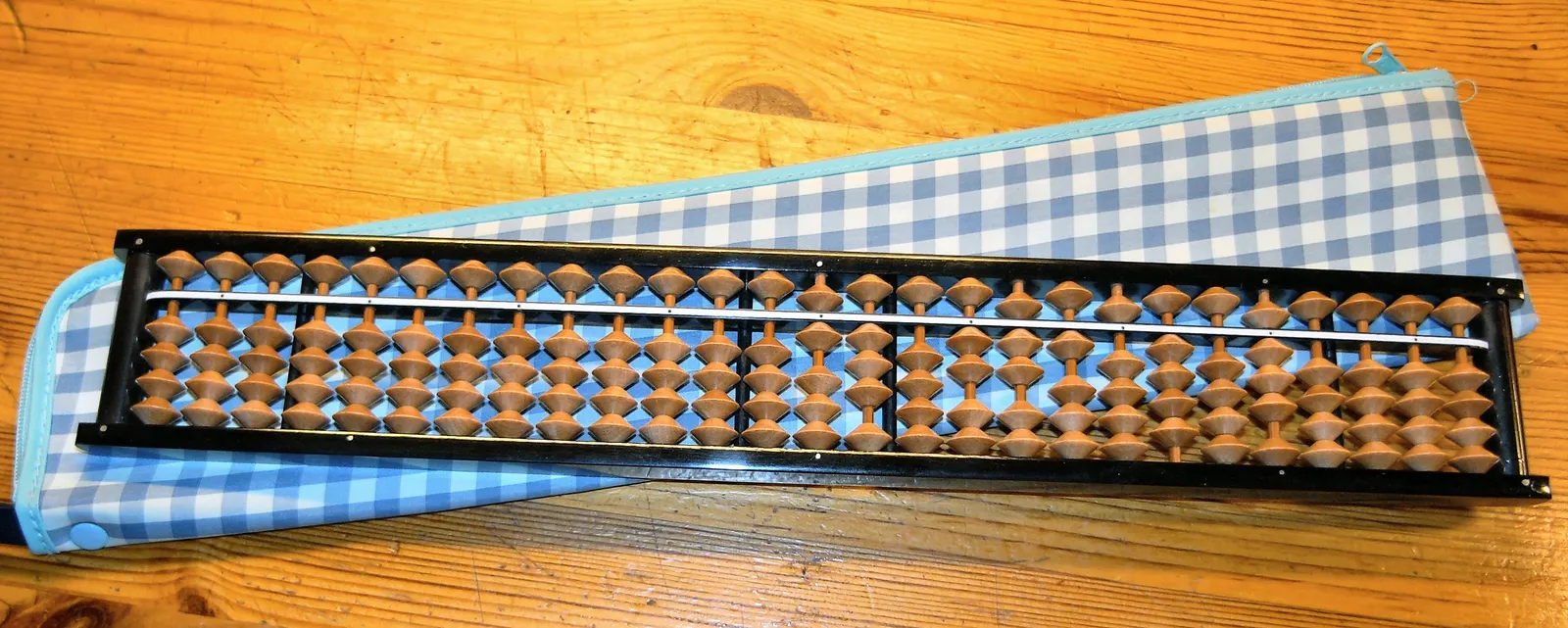
Search for an abacus and you will be sold a claim, not a product: that it builds whole-brain thinking, raises IQ, or turns a child into a mental-arithmetic prodigy. We bought a 26-dollar 13-rod wooden soroban and spent three months practising on it daily — an adult beginner, 15 minutes a day, 84 sessions logged — to find out what it actually does and how fast.
The measurable answer: after six weeks we could add a column of twenty three-digit numbers on the soroban in a median 41 seconds, against 33 seconds punching the same column into a calculator. It never got faster than the calculator. What it did do is something the calculator cannot, and that turns out to be the real reason to own one.
Which abacus, and why the bead layout matters
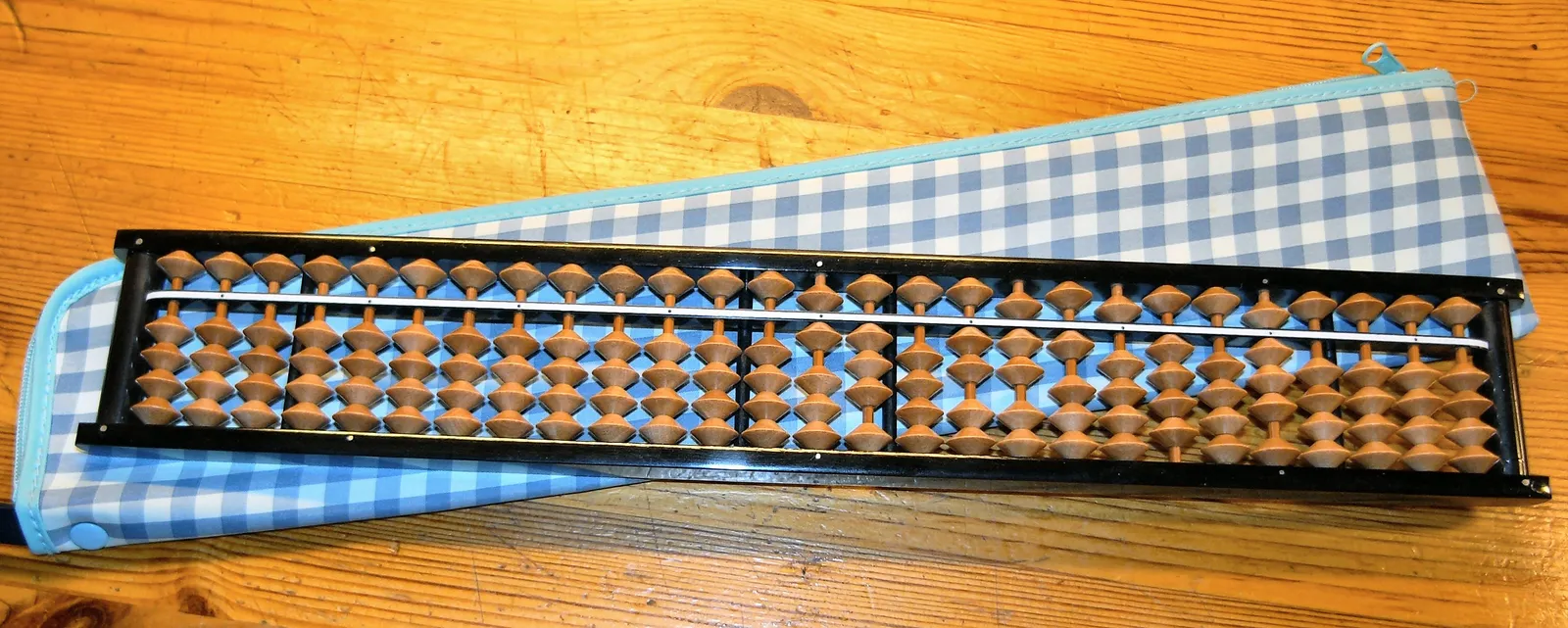
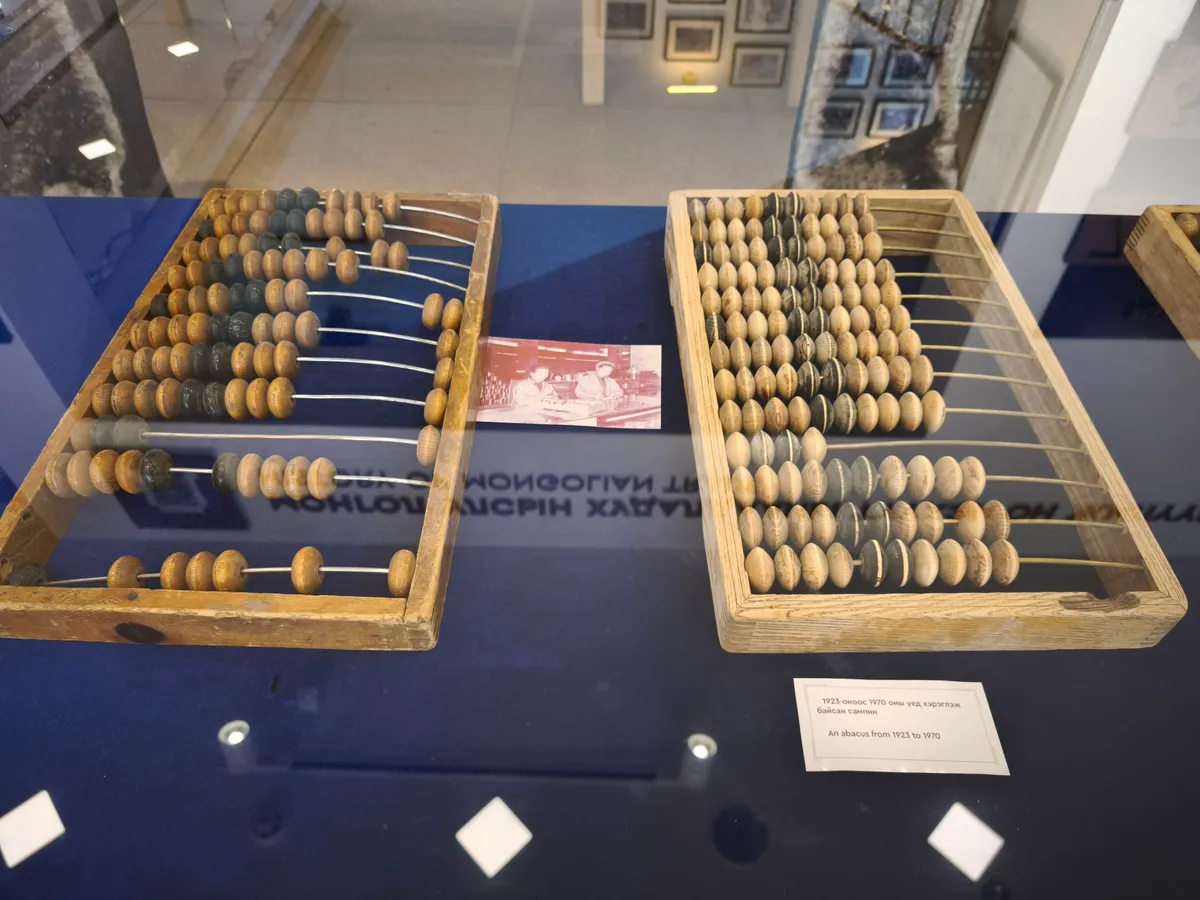
The two you will find are the Japanese soroban, with one bead above the bar and four below, and the Chinese suanpan, with two above and five below. The soroban's layout is a strict decimal representation — each rod holds exactly one digit, zero to nine, with no redundant states. The suanpan's extra beads allow intermediate values, which is useful for traditional techniques and confusing for a beginner.
Buy a soroban. Every modern teaching resource, worksheet and video is built around it, and the one-and-four layout means each rod has one correct configuration per digit, so you can check your own work at a glance. Ours has 13 rods, which handles 13-digit numbers — far more than needed. For learning, 13 is the standard and 17 or 23 rods buy nothing except width.

Bead action is the whole build quality question
An abacus has one moving-part specification: how the beads slide. They must move with a light finger flick and then stay exactly where they were left. Too tight and each entry needs deliberate force, which destroys speed. Too loose and beads drift when you set the frame down or bump the table, which silently corrupts a calculation.
We tested ours by setting a number, then lifting the frame and tilting it 30 degrees each way: no bead moved. Then we set it flat and tapped the table beside it firmly ten times: again no movement. Sliding force measured by hooking a small spring scale to a bead was around 40 to 60 g — light enough for a flick, heavy enough to hold.
For comparison we handled a 9-dollar plastic abacus in a shop: its beads rattled visibly when the frame was tilted, and three of them had moulding flash that caught on the rod. That is the difference the money buys, and it is the only difference that matters. The wooden frame, the bamboo rods and the bi-conical hardwood beads on ours have stayed consistent through three months and one drop off a desk.
Two build details worth checking on any abacus: the beads should be bi-conical, tapered to a point where they meet, so that they touch the bar cleanly and read unambiguously; and the frame should have a reset mechanism or at least be easy to clear by tilting and running a finger along the bar. Ours clears in about one second, which matters when you do it hundreds of times.
Learning it: the actual timeline
Reading numbers took twenty minutes. Addition and subtraction, including the complementary-number rules you need when a rod runs out of beads, took about two weeks of daily practice to become automatic rather than deliberate. That is the honest learning curve and it is shorter than most people assume.
Multiplication and division are a different scale of commitment. Both are procedural: you multiply digit by digit and accumulate partial products on the frame, which requires memorised placement rules and multiplication tables you already know cold. We got competent at two-digit by two-digit multiplication at around week seven, and never became fluent at division in three months. If your goal is multiplication and division, budget months, not weeks.
Speed progression on our addition benchmark, twenty three-digit numbers: 3 minutes 10 seconds in week one, 1 minute 12 in week three, 41 seconds by week six, and 38 seconds at the end of three months. The curve flattens hard. Competition-level soroban users are several times faster than that, and reaching it is a matter of years, not a matter of the right frame.
What it does that a calculator cannot
Here is the part that changed our view. Around week five, we noticed that we had started visualising the bead positions when doing arithmetic without the frame. This is the documented endpoint of soroban training — practitioners call it anzan, mental calculation on an imagined abacus — and we reached only the faint beginning of it. But even that beginning was useful: adding four-digit numbers in our head became noticeably more reliable, because the method gives you a place to put partial results that working memory otherwise has to hold as sound.
The second real benefit is error visibility. A calculator gives you a wrong answer with total confidence if you fat-finger a digit. On an abacus, the number is physically present and you can see it, so a mis-entry is often obvious. Across our benchmark trials we made 6 uncaught errors in 84 calculator runs and 2 in 84 abacus runs — the abacus runs were slower and more accurate, which is the trade-off the tool actually offers.
Third, and least measurable: it is a physical, screenless activity that demands complete attention for fifteen minutes. As a way to practise focus, it worked better for us than any app claiming to do the same.
The claims worth pushing back on
Abacus programmes are marketed to parents with language about whole-brain development, right-brain activation and general intelligence gains. Be sceptical of that framing. What abacus training reliably produces is better arithmetic — speed and accuracy in exactly the operations you practise, plus mental calculation ability that grows out of the visualisation. Evidence for broad transfer to unrelated cognitive skills is much weaker than the marketing implies, and "activates the right brain" is not a meaningful description of anything.
That is not an argument against buying one. Arithmetic fluency is genuinely valuable, mental calculation is a real and rare skill, and 26 dollars for a tool that produces it is excellent value. It is an argument against paying several hundred dollars for a programme that promises cognitive transformation, and against buying one for a child who is already struggling with the underlying concept of place value — the abacus assumes place value, it does not teach it.
For children specifically, what matched our experience and standard guidance: from about age 5 or 6 a child can learn bead reading and simple addition with an adult sitting alongside; independent practice tends to work from around 7 or 8; and the daily habit matters far more than the session length. Fifteen minutes a day beat the two-hour weekend session we tried once, by a wide margin.
Practical notes from three months of daily use
Ours measures 34 by 9 cm and weighs 340 g, which sits comfortably on a desk and travels in a bag. It needs a hard flat surface — used on a sofa cushion, the frame flexes slightly and beads move on their own.
Finger technique is worth learning correctly from the start, because it is hard to unlearn. The standard method uses thumb to push lower beads up and index finger to bring them down and to move the upper bead, with the frame square to the body and the right hand doing all the work while the left holds the frame or a pencil. We spent the first ten days using whichever finger was nearest and had to spend a week correcting it.
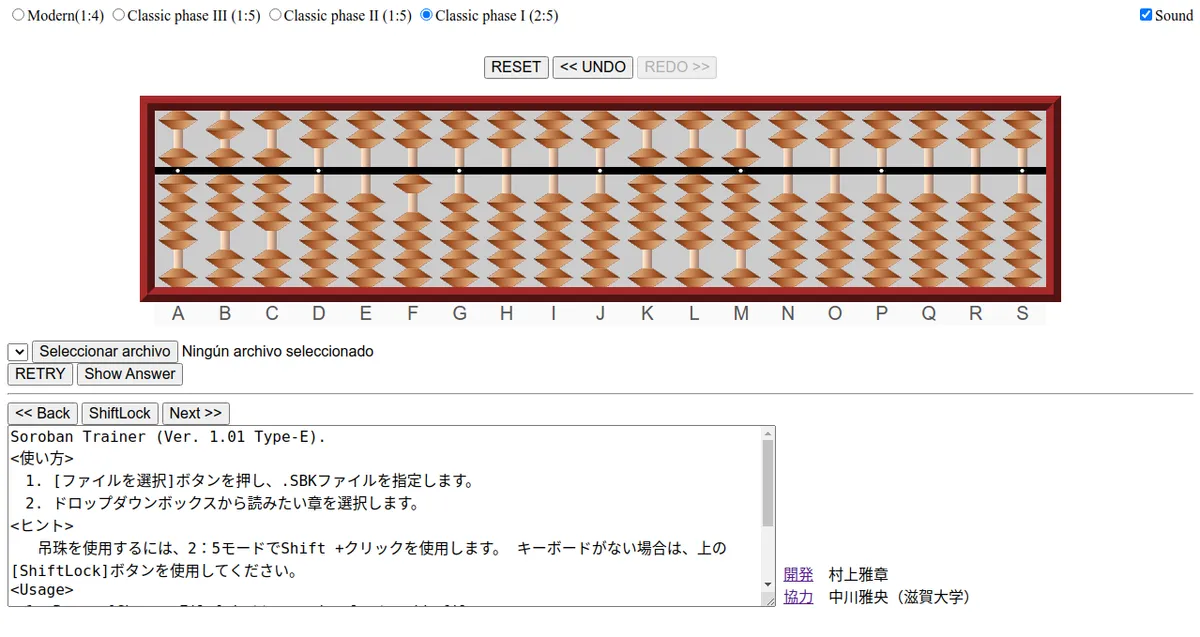
A free abacus simulator is a genuinely useful companion, not a replacement. We used one for five-minute drills on a phone during commutes, and the physical frame for the real practice. The simulator gives instant feedback on whether a bead configuration is correct, which the wooden frame obviously does not.
One durability note: the rods are the failure point on cheap units, and a bent rod ruins bead action permanently. Do not store an abacus at the bottom of a bag under books, and if you buy one for a child, expect to check the rods rather than the beads.

Against the alternatives
Against a 9-dollar plastic abacus, the difference is bead action, which is the only thing that matters. A loose-beaded abacus will lose your number and you will blame yourself. If 26 dollars is not available, a 15-dollar wooden one with tight beads beats a 9-dollar plastic one every time.
Against a 60-to-120-dollar competition-grade soroban with a magnetic reset bar and precision beads, that is real quality for someone already fluent. As a beginner you cannot detect the difference. Buy it later if you get serious.
Against a school abacus with ten coloured beads per row, that is a different tool entirely, designed to teach counting and place value to very young children. It cannot do soroban arithmetic. Do not buy one expecting to learn mental calculation.
Against a mental-maths app, the app gives drills and scoring and no visualisation framework. The two are complementary, and if you only want faster arithmetic without the method, the app is cheaper and quicker.
Who should buy this
Buy it if you want a screen-free daily practice that produces a concrete skill, if you are teaching a child aged roughly 6 and up alongside them, or if you are curious about mental calculation and want the actual method rather than tricks. Buy it also if you simply like well-made simple objects; a hardwood soroban with good bead action is a satisfying thing to use.
Skip it if you want to be faster than a calculator, because you will not be. Skip it if the plan is unsupervised practice by a child under about 7, or if you are hoping to fix a struggle with place value. And skip expensive abacus tutoring programmes whose pitch is cognitive transformation rather than arithmetic.
Verdict
Three months and 84 sessions in, this is a good 26-dollar object with an honest and narrow benefit. Bead action is the only build specification that matters and ours passed both the tilt and tap tests, holding a set number at a 40 to 60 g sliding force. Addition and subtraction became automatic in about two weeks; multiplication took seven; division never arrived. Our benchmark settled at 41 seconds against 33 for a calculator, and the abacus made one third as many uncaught errors. The real payoff was the start of mental visualisation at around week five, which no calculator produces. Buy it for that, not for the brain-training claims on the box.
We compared prices across retailers so you don't have to.