3-Person Dome Tent Review: 11 Nights and a Tape Measure
Eleven nights in a 129-dollar 3-person dome tent, including four hours of heavy rain and 45 km/h gusts: the measured 210 by 180 cm floor is a good two-person tent, not a three.
As an affiliate, Keen Review earns from qualifying purchases.
Tent capacity ratings are the most misleading number in outdoor equipment. A "3-person" dome tent means three sleeping mats can be laid side by side touching, with nobody's gear inside and nobody rolling over. We bought a 129-dollar 3-person dome — the kind that dominates the middle of every camping aisle — and used it for eleven nights across a season, including two nights of sustained rain and one night with gusts we later found had been recorded at 45 km/h at a weather station 6 km away.
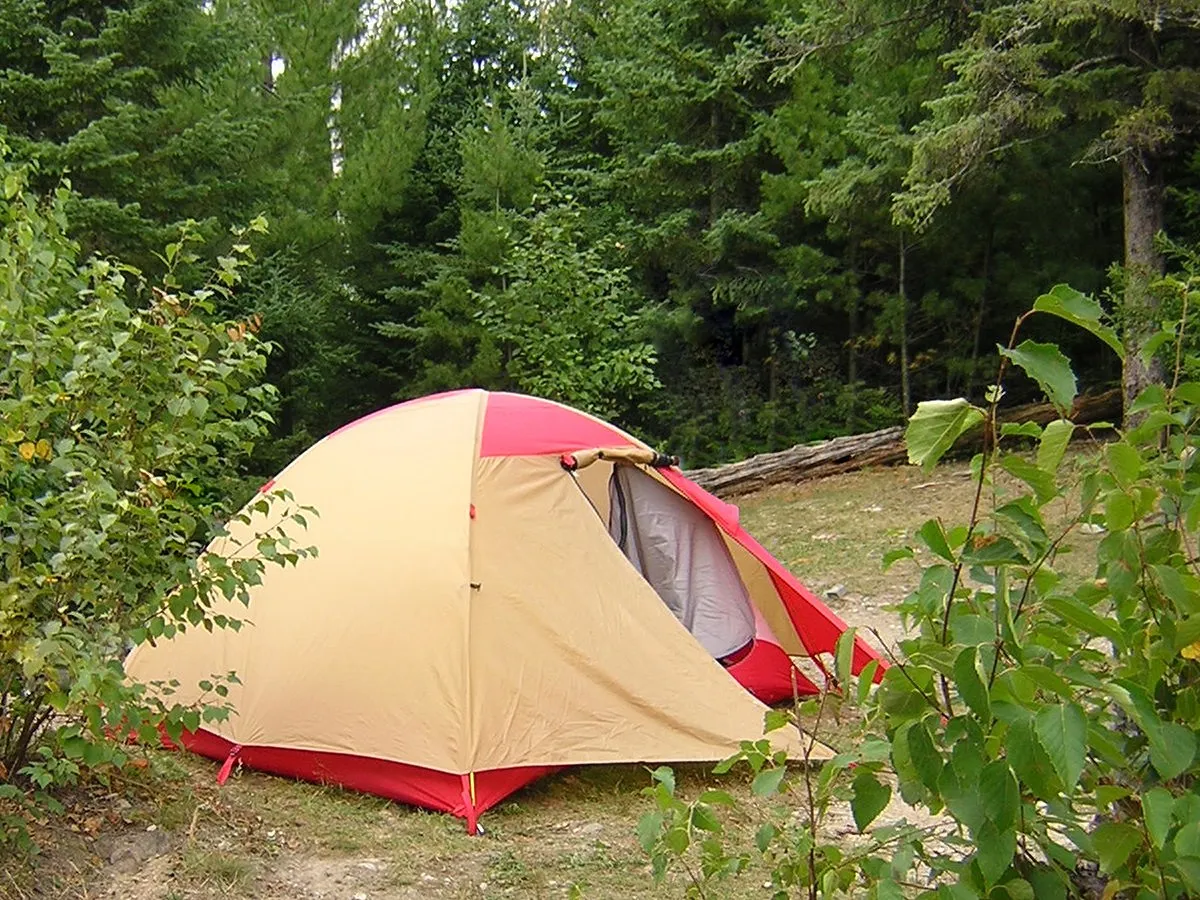
We measured the floor rather than trusting the box: 210 cm by 180 cm, with a peak height of 122 cm. Two standard 51 cm sleeping mats fit with 78 cm left over for gear, which is comfortable. Three mats fit with zero spare centimetres and no room for boots. Treat it as a two-person tent with storage, or a three-person tent for one night that nobody enjoys.
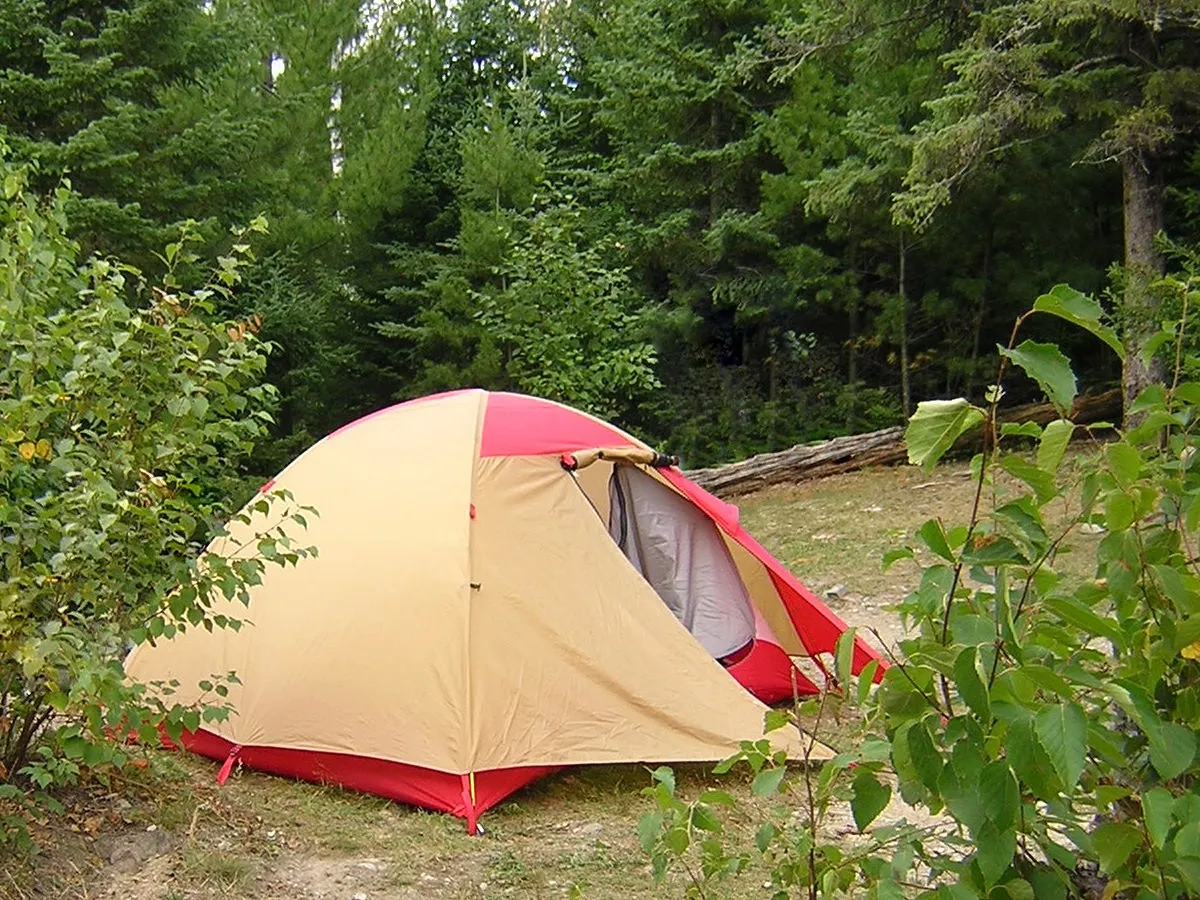
Pitching it, timed
Two crossing fibreglass poles through sleeve-and-clip attachment, a hooked-on flysheet, and eight stakes. First pitch, reading the instructions, took us 14 minutes with two people. By the fourth trip we were at 6 minutes with two people and about 9 minutes solo, which is genuinely quick — the freestanding dome geometry means you can assemble the whole thing on flat ground and then move it before staking.
Freestanding matters more than it sounds. You can pitch it on a wooden platform, on rock, or inside a shelter where stakes will not go in, and then weight the corners. It also means you can lift the whole tent to shake debris out, which we did after a pitch under pine trees.
The stakes supplied are thin aluminium and the weak point. Two bent on the first trip in hard, dry ground, and one sheared. Replacement steel or Y-beam stakes cost about 12 dollars for eight and we would treat that as a required purchase, not an upgrade. Keep the originals as spares for soft ground.
The rain test, and the number that predicts it
Waterproofing is quoted as a hydrostatic head figure in millimetres: how tall a column of water the fabric holds before it seeps. Ours specifies 2000 mm on the fly and 3000 mm on the floor. For context, roughly 1500 mm is the usual minimum for genuine rain and 3000 mm plus is what you want for extended wet weather or for a floor you kneel on.
Two nights of steady rain, the second heavy for about four hours. The fly did its job and the interior stayed dry overhead. Where water got in was the floor seam at the door corner, where we had pitched with a slight slope toward that corner and water pooled: a damp patch roughly 20 cm across by morning, enough to wet the edge of a sleeping bag. Pitching on a genuine flat and adding a groundsheet under the tent eliminated it on the following trip.
The other rain lesson was contact. Anything touching the inner wall transmits water through by capillary action — a rucksack leaning against the inner in the night produced a damp patch on the pack and on the wall. This is not a defect, it is how a double-wall tent works, and the fix is keeping 5 cm of air between your gear and the inner tent.
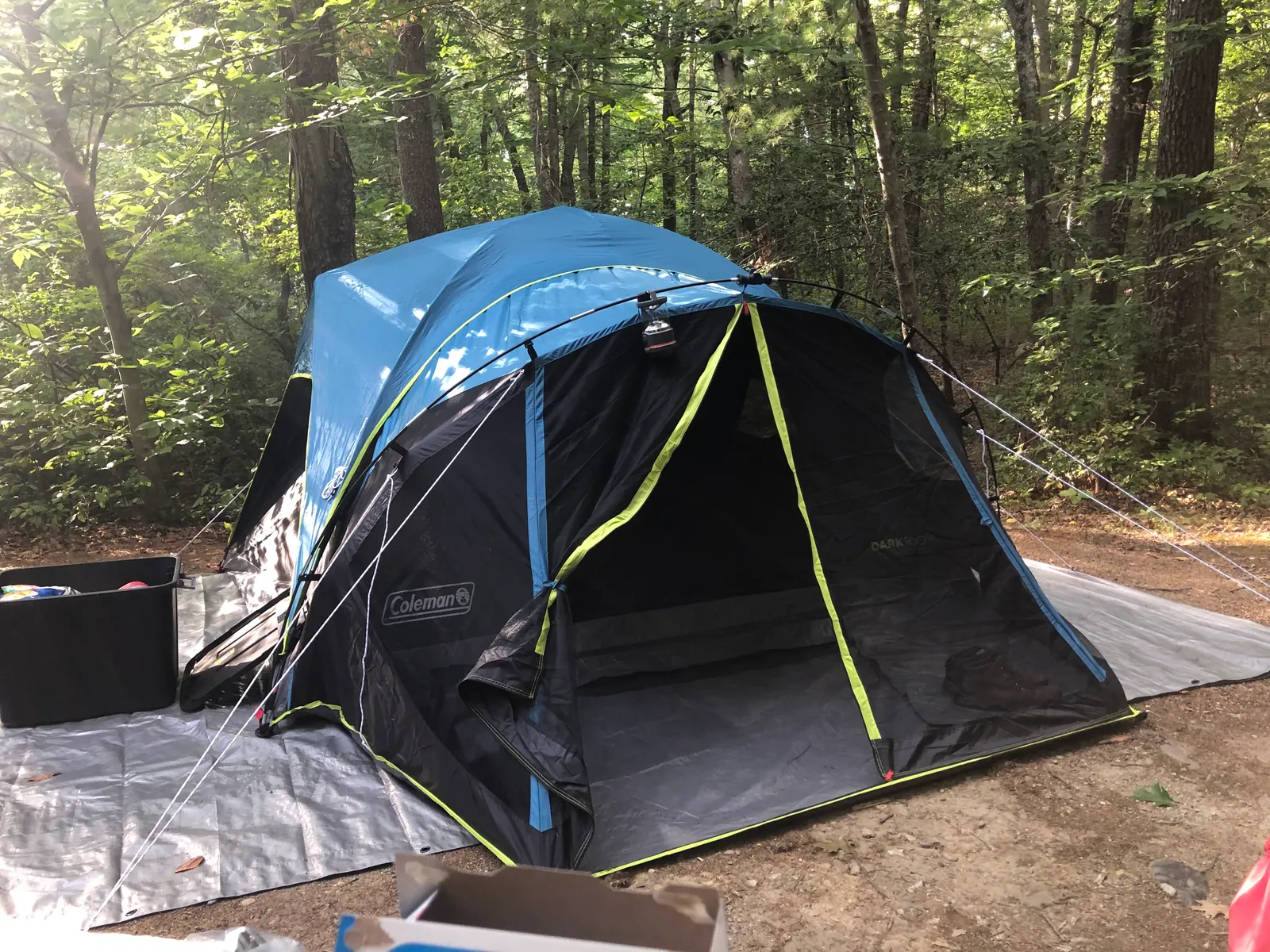
Condensation is not a leak
The most common complaint about tents at this price is waking up to wet walls, and it is almost always condensation rather than a leak. Two adults breathing out roughly 400 ml of water vapour overnight will condense it on the coldest surface available, which is the inside of the fly. In our test the difference between a damp morning and a dry one came down entirely to whether we left both vents and a door zip open by a few centimetres.
Closed up on a cold, still night we got visible droplets on the fly and light dampness on the inner ceiling. With the two roof vents open and the door zipped to leave a 10 cm gap at the top, the same conditions produced a dry inner and only light moisture on the fly, which shook off. If you are choosing a tent, count the vents — this one has two, which is adequate, and tents at this price with none are the ones people describe as leaking.
Wind: where a fibreglass pole tells you the truth
The gusty night was the real test. Pitched with the low end into the wind and all eight stakes in plus two guy lines, the tent flexed alarmingly but held. Peak deflection of the ridge was about 15 cm on the strongest gusts and the fly drummed loudly enough that neither of us slept well. Nothing broke.
Fibreglass poles are the compromise at this price. They are heavier than aluminium and they fail differently: aluminium bends and can be splinted, fibreglass splinters, and once a pole shears the splinters can tear the fabric. Ours survived, but we would not take this tent above treeline or into a forecast with sustained winds over about 50 km/h. That is not what it is for, and the honest framing is that this is a campsite and low-trail tent, not a mountain tent.
Guy lines are included and we would use them every time. On the calm nights we skipped them and the fly sagged against the inner in two places, which is exactly the contact problem that causes damp.
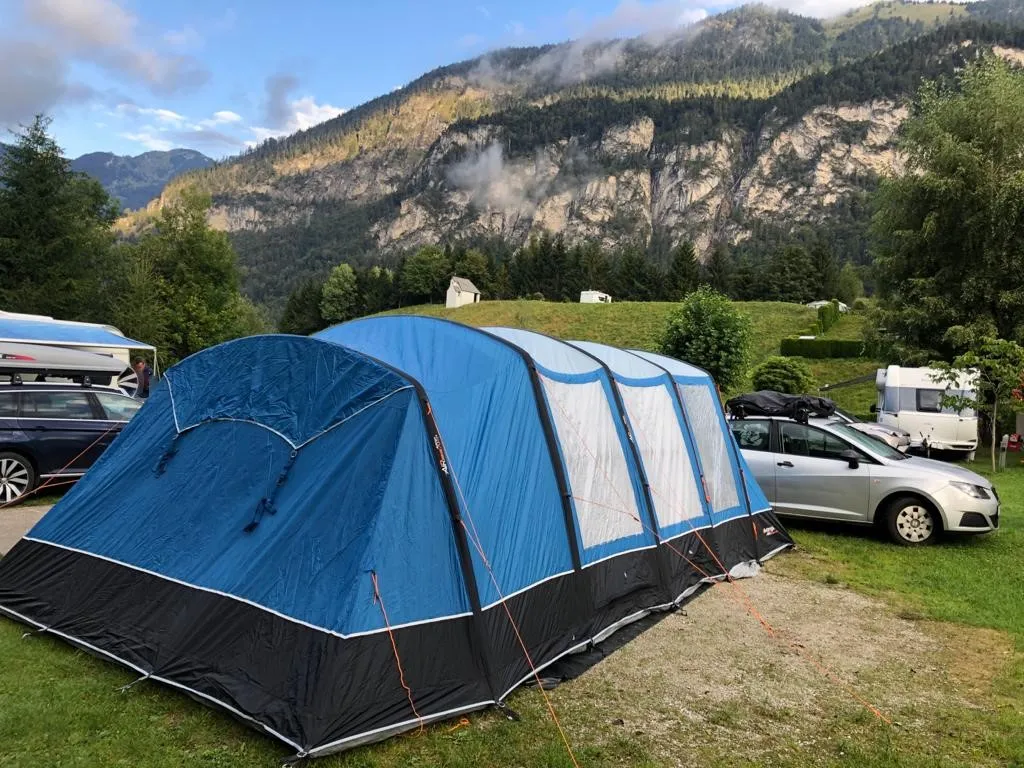
Weight, packed size, and who carries it
Packed weight on our scale was 3.4 kg including stakes, poles and bag, in a stuff sack 58 cm long. That is fine in a car boot, acceptable split between two people on a short walk-in, and too heavy for solo backpacking, where 3-person tents at half this weight exist for four times the price. Splitting it works well: one person takes the fly and inner, the other the poles and stakes.
Repacking it into the supplied sack is the daily annoyance. The sack is sized for a factory roll, and after the first trip we could not get it back in without two attempts. A slightly oversized 20-dollar compression sack solved it permanently and is the second accessory we would buy.
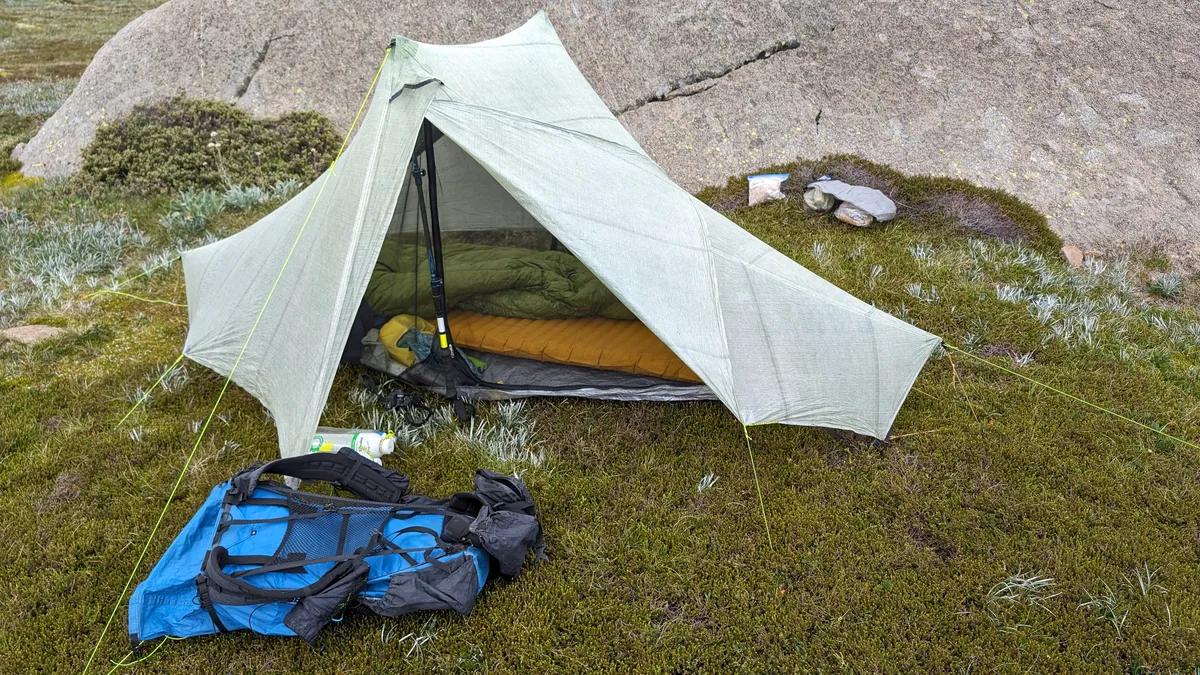
Living in it
Peak height of 122 cm means sitting up comfortably and changing clothes on your knees, not standing. The single door is on a long side, which is better than a foot-end door for two people because neither has to climb over the other. There is a small vestibule of about 60 cm depth under the fly, which held two pairs of boots and a small pack — enough to keep wet gear out of the sleeping area, not enough to cook under, and you should not cook under it anyway.
Two internal mesh pockets and a lantern loop. The mesh inner panels are generous, so on a warm night with the fly rolled back it works as a bug shelter with a view, which was the best thing about it in summer. Zips ran smoothly for all eleven nights; we lubricated them once with a candle stub after sand got into the door zip, which is worth knowing as a field fix.
Two safety points, stated plainly
Never use a stove, heater, or any fuel-burning device inside a tent or its vestibule. This includes gas canister stoves and charcoal. The hazards are carbon monoxide, which is odourless and kills people in tents every year, and the fact that tent fabric burns fast. Cook outside, well clear of the fly, and let the stove cool before it goes anywhere near the vestibule.
Site selection is a safety decision, not a comfort one. Do not pitch in a dry streambed or the lowest point of a field, where water arrives fast in heavy rain; do not pitch under dead branches; and in exposed ground, pitch the low end into the prevailing wind. Our windy night was survivable largely because we had oriented the tent correctly before dark, which is much harder to fix at 2 am.
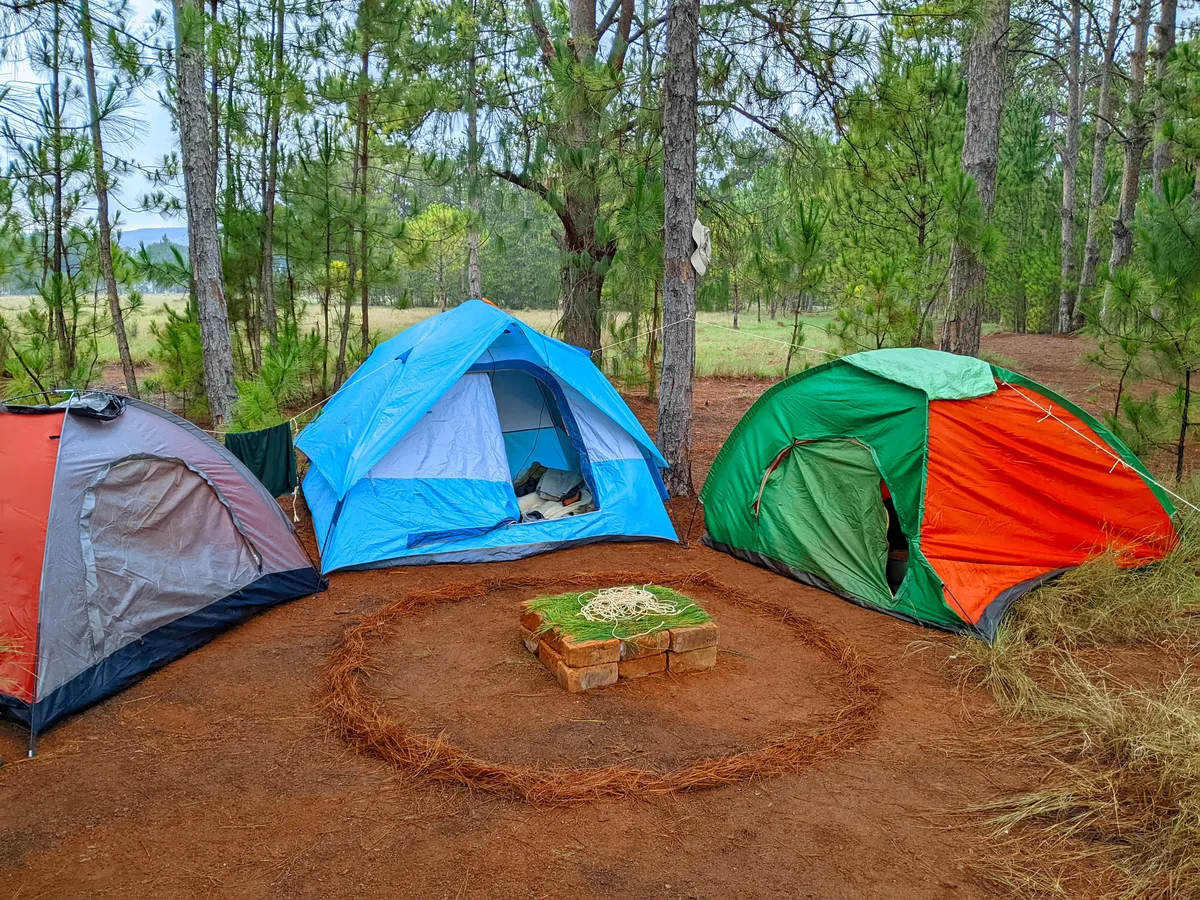
Against the alternatives
Against 60-to-80-dollar tents, the differences we would look for are hydrostatic head figures (many are 1000 mm or unquoted), the number of vents, and whether the fly is a full cover or a partial cap that leaves mesh exposed. A partial fly is the single biggest predictor of a bad night in rain.
Against 300-dollar-plus tents, you are buying aluminium poles, silicone-treated fabric, a lower weight, better zips and often two doors. If you camp more than a few times a year, or walk in with the tent on your back, that is money well spent. For a handful of car-camping trips a year, this tent does the same job for a third of the price and the main thing you sacrifice is confidence in serious weather.
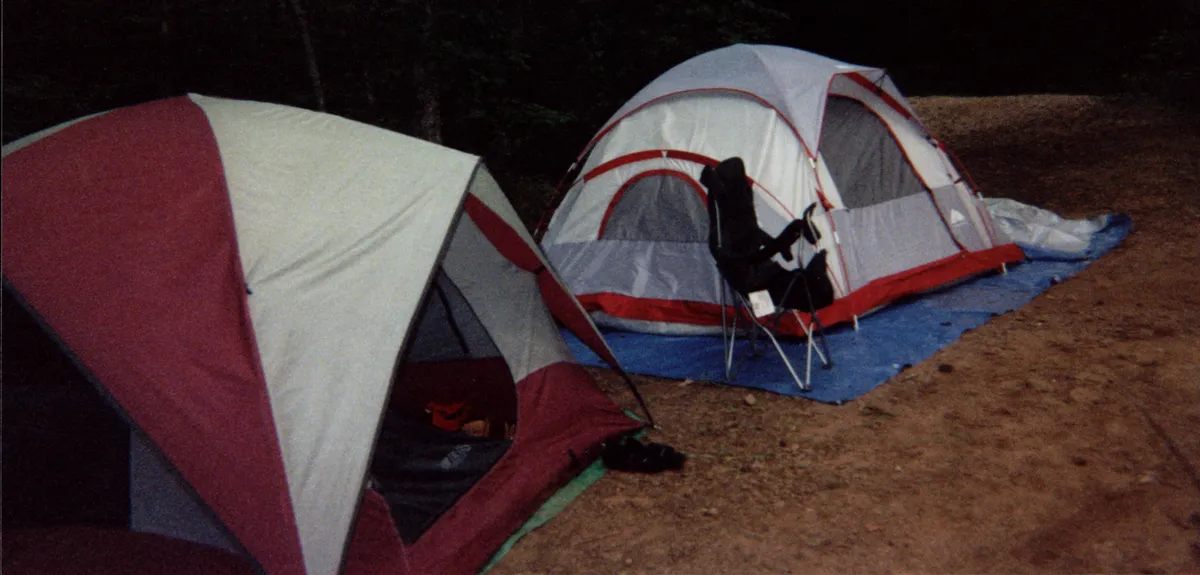
Who should buy this
Buy it for two adults car camping, for a family using it as a kids' tent alongside a bigger one, or as a first tent to find out how much you actually camp before spending real money. The freestanding pitch, the full-coverage fly and the two vents are the three things that make it work, and at 129 dollars with 30 dollars of stakes and a compression sack it is a competent kit.
Skip it if you genuinely need to sleep three adults, because the measured floor does not allow it with gear. Skip it for solo backpacking on weight grounds, and skip it for exposed, high or shoulder-season conditions where fibreglass poles are the wrong tool.
Verdict
Eleven nights in, this is an honest campsite tent with a dishonest capacity label. The 210 by 180 cm floor is genuinely good for two with gear and cramped for three. The 2000 mm fly kept out four hours of heavy rain, while a slight pitch slope let water into a floor seam until we added a groundsheet, and the two roof vents were the difference between dry mornings and wet ones. The supplied stakes are poor and worth replacing on day one. Fibreglass poles held 45 km/h gusts loudly and without breaking, but they set the ceiling on where this tent belongs. For car camping and short walk-ins at 129 dollars, it is enough tent.
We compared prices across retailers so you don't have to.