No. 4 Bench Plane Review: 95 Minutes to Make It Work
A 65-dollar No. 4 smoothing plane measured out of the box and after tuning: a 0.15 mm hollow sole and a blunt blade became repeatable 0.04 mm shavings in 95 minutes.
As an affiliate, Keen Review earns from qualifying purchases.
A cheap bench plane is not a finished tool. It is a kit of parts that will work well after you spend an evening on it, and badly forever if you do not. That is the single most important thing to know before spending 65 dollars on a No. 4 smoothing plane, and no product page says it. We bought one, measured what was wrong with it out of the box, fixed it, and then used it for four months on real work: a pine bookshelf, an oak windowsill, and about 18 metres of reclaimed floorboard cleaned up by hand.
The numbers that matter: the sole arrived 0.15 mm hollow across its width, the blade would not cut paper, and after 95 minutes of setup work the plane produced repeatable shavings measuring 0.04 mm with a micrometer. Before that work, it tore out pine badly enough that we would have called it a defective tool.
What a No. 4 is for
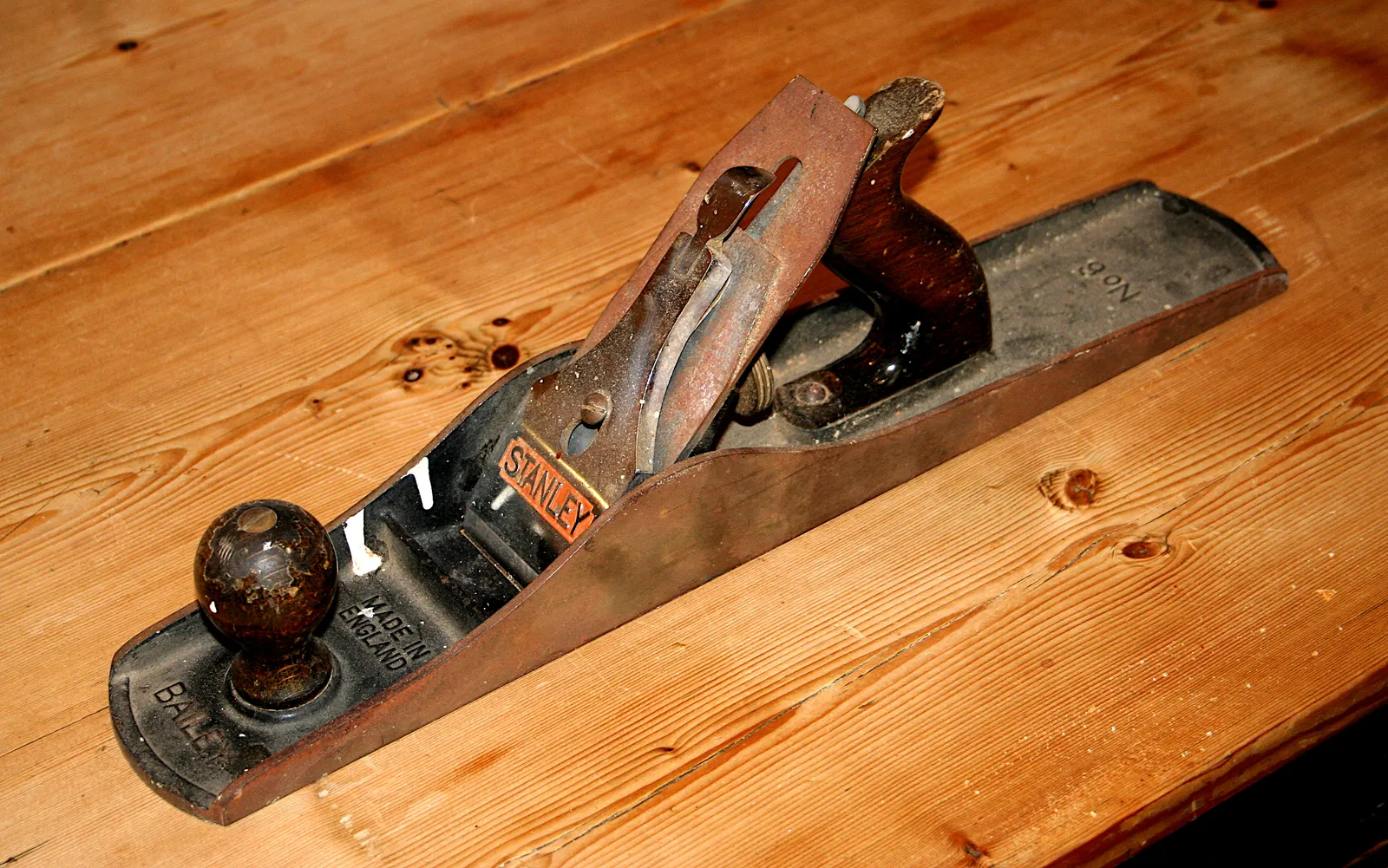
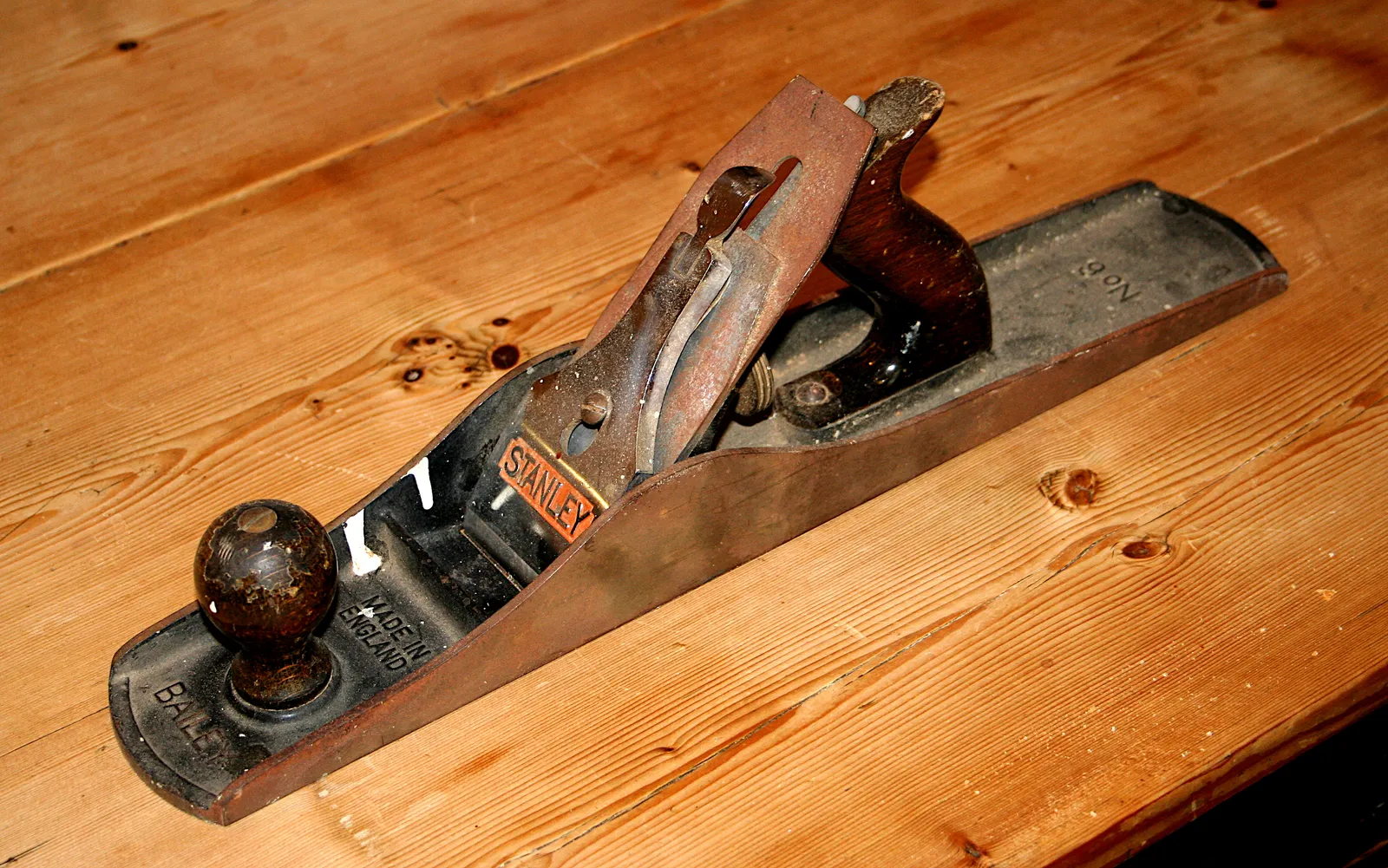
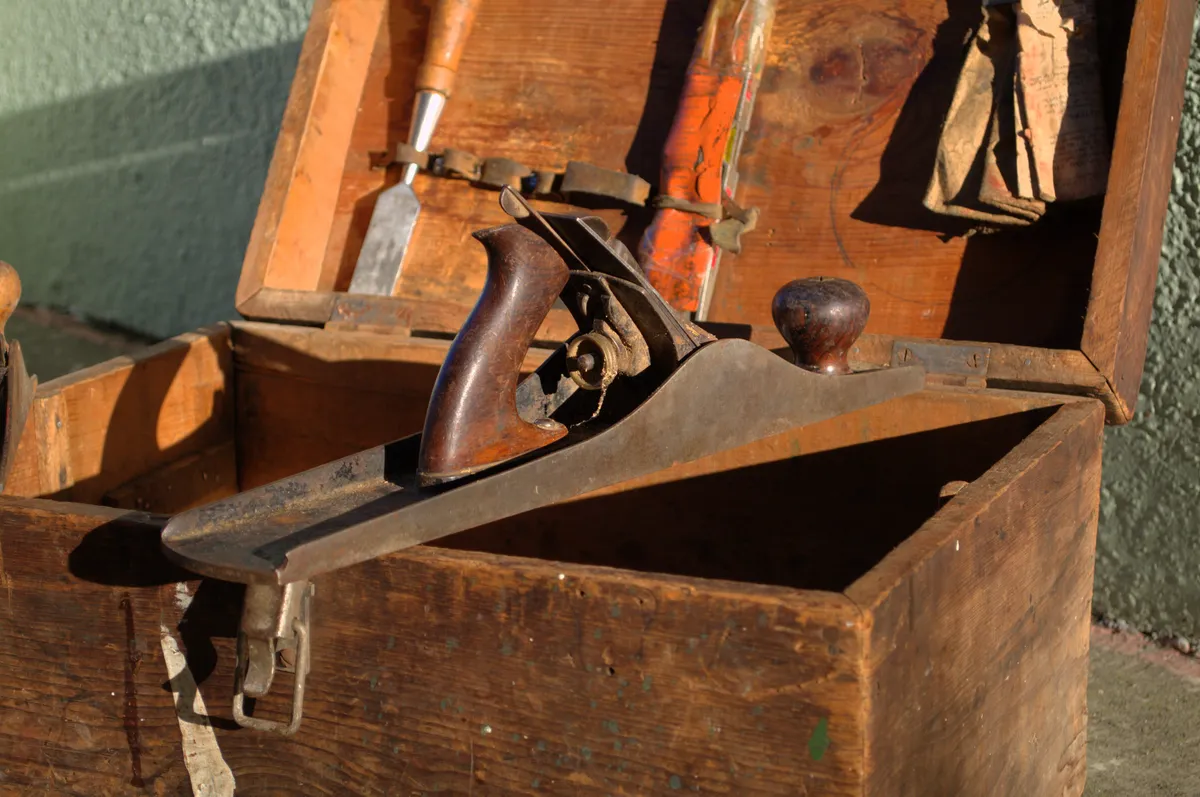
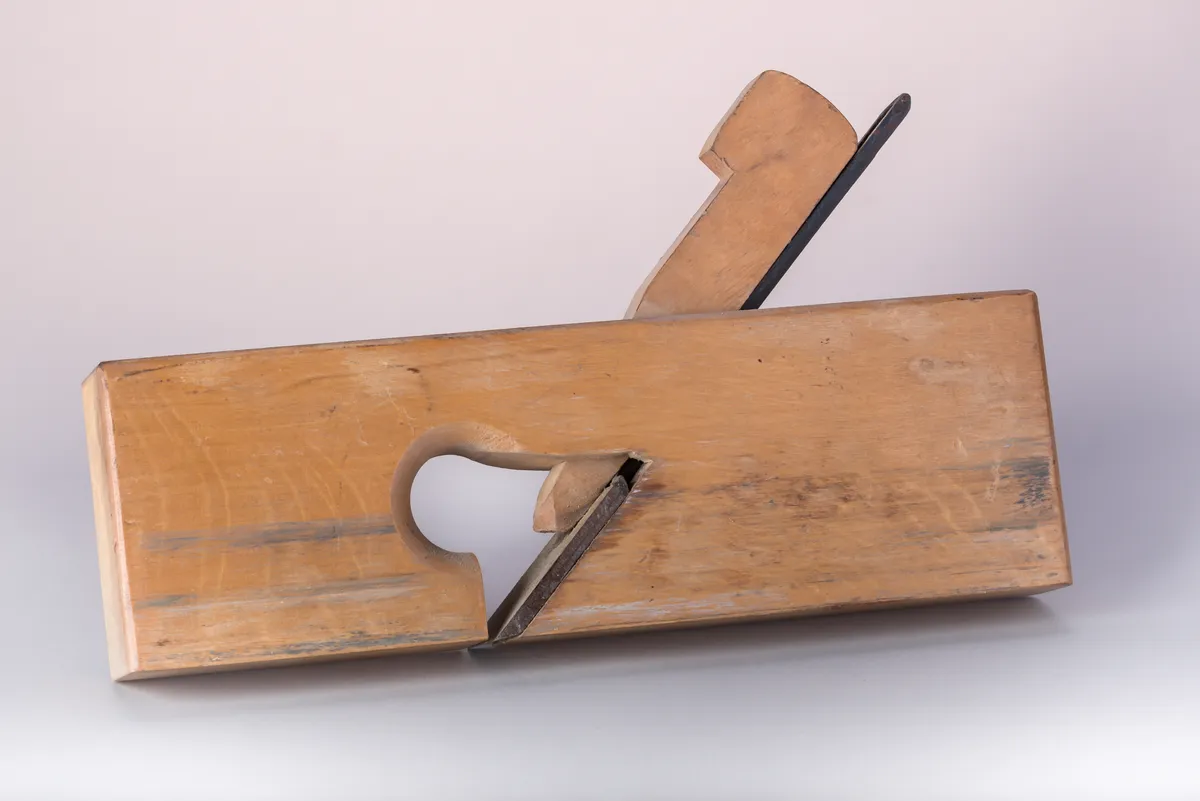
Bench planes are numbered by length. A No. 4 is about 245 mm long with a 50 mm blade, and it is the smoothing plane — the one you use last, to remove the marks left by machine sanding or a coarser plane, and to leave a surface that needs no sandpaper at all. It is the right first plane for almost everyone.
Longer planes flatten. A No. 5 jack at 350 mm or a No. 6 fore at 450 mm bridge across the hollows in a board because the sole is longer than the defect, which is how you get something genuinely flat. A No. 4 follows the surface it is given. If your goal is flattening rough or twisted stock by hand, a No. 4 is the wrong tool and you want a No. 5 first.
What was wrong out of the box, measured
We checked the sole against a machinist's straightedge with feeler gauges. Across the width, just behind the mouth, there was a 0.15 mm hollow. Along the length it was better, about 0.05 mm, with the toe and the area immediately in front of the mouth both slightly high. That combination means the plane rocks fractionally and the mouth does not sit flat on the work, which shows up as inconsistent shaving thickness across the blade.
The blade was ground at roughly 25 degrees but the back was not flat — light showed under a straightedge across it — and the edge itself was blunt enough that it scraped rather than cut a fingernail. A plane blade that will not slice paper cleanly cannot cut wood cleanly, and this is the single most common reason beginners conclude that hand planes do not work.
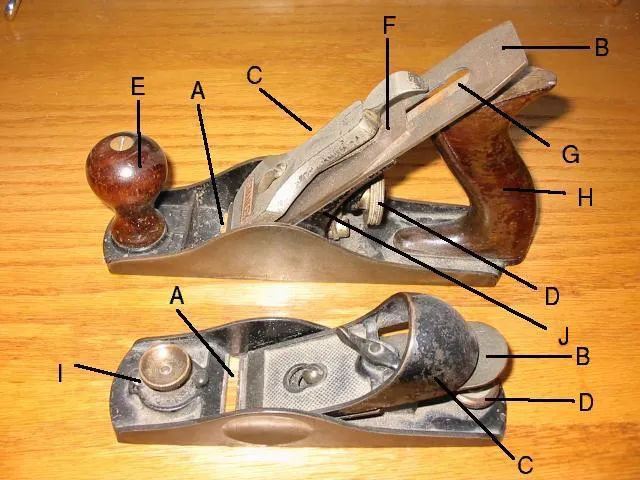
The chipbreaker, which sits on top of the blade and curls the shaving, had a machined edge that did not seat tightly against the blade. A gap there lets shavings wedge under the chipbreaker and jam the mouth, which happened to us three times in the first ten minutes.
The frog casting and the depth adjuster had roughly 1.5 turns of backlash — you turn the wheel and nothing happens, then it moves. That is normal on inexpensive planes and you simply learn to always make the final adjustment in the same direction.
The 95 minutes that turned it into a tool
Lapping the sole: 35 minutes. Sandpaper stuck to a known-flat surface — we used a granite offcut, a table saw bed also works — starting at 120 grit and working to 320, with the blade retracted but under tension so the casting is stressed the way it will be in use. We stopped when the marker lines we had drawn on the sole were gone from the toe, the mouth area and the heel. Chasing perfect flatness is unnecessary; the three areas that touch the wood matter and the rest does not.
Flattening the blade back: 20 minutes on a 400 then 1000 grit stone, working only the first centimetre behind the edge, because that is the only part that needs to be flat. This step is not optional — a blade with a rounded back cannot form a sharp intersection with the bevel no matter how well you grind the bevel.
Sharpening: 25 minutes to establish a working edge at 30 degrees using a honing guide, on 1000 then 6000 grit, finishing with a few strokes on the back to remove the burr. The result sliced paper cleanly and shaved arm hair, which is the practical test.
Fitting the chipbreaker: 15 minutes filing and honing its leading edge until it seated on the blade with no visible gap. Then setting it about 0.5 mm back from the cutting edge — close, which suppresses tearout considerably. This adjustment is free and it made more difference to surface quality on figured pine than anything else we did.
Total 95 minutes and about 12 dollars of consumables, on top of a 65-dollar plane. The honest way to describe this tool is therefore a 77-dollar plane that needs an evening, and on that basis it is good value — but if you will not do the evening, buy something else.
How it performs after tuning
Shaving thickness measured with a micrometer on the finest usable setting: 0.04 mm, translucent, continuous full-width shavings from pine and from oak. On the reclaimed floorboards, where the grain reverses constantly, we got tearout until we closed the mouth down and moved the chipbreaker closer, after which about 90 per cent of the surface came out clean and the remaining patches needed a card scraper.
Against sandpaper, the surface off a sharp plane is measurably different — it is sheared rather than abraded, so it reflects light more evenly and takes finish with less blotching. On the oak windowsill we planed half and sanded half to 180 grit, then applied the same oil: the planed half was visibly clearer. It was also faster, roughly four minutes against eleven, and produced shavings you can sweep up rather than dust you breathe.
Edge retention on a soft-ish blade is the real limit. Planing pine, the edge stayed good for about 40 minutes of continuous work before shavings started tearing rather than slicing. In oak, closer to 20 minutes. A quick 3-minute touch-up on the 6000 stone restored it, so in practice we honed several times per session. A premium blade in the same plane body would roughly double that, and swapping the blade for an aftermarket one at 45 dollars is the sensible first upgrade.
Safety, stated plainly
A properly sharpened plane blade is as sharp as a chisel or a scalpel, and the injuries it causes are deep clean cuts to fingertips. Three rules we hold to without exception:
First, retract the blade before setting the plane down, and lay it on its side rather than flat on the sole if the blade is still projecting. Reaching across a bench and running a finger along a projecting iron is the classic way people get hurt.
Second, never test the edge by running a finger along it — check sharpness by slicing paper or by looking at the edge under light for a reflective flat. Never wipe shavings from the mouth with your fingers while the blade is in place; use a stick, with the blade backed off.
Third, secure the work. A board that slides while you push is how the plane and your hand end up somewhere unplanned. Use a vice or a bench stop, and keep your body behind the push rather than off to the side. And plane away from your body, with both hands on the tool.
One more: when sharpening, the blade going across a stone is loose steel in your hands. Use a honing guide, keep your fingers behind the edge, and wipe the blade dry rather than dragging a cloth over the edge.
Four months of durability
The casting, the frog and the adjusters are unchanged. The lever cap holds pressure consistently. The blade has lost about 1.5 mm of length to repeated sharpening, which is normal and gives it years of remaining life. The lapped sole picked up light surface rust twice after being left on a damp bench overnight, cleaned off with a green pad and oil; a wipe of oil after each session stopped it.
The rosewood-look handle and knob are stained hardwood, and the tote developed a hairline crack at the lower screw boss after about two months. It is cosmetic so far, and it is the part most likely to fail on a plane at this price. Replacement totes are available, and a crack that grows is a fixable problem rather than a dead tool.
Storage matters more than it does for most tools. Store it with the blade retracted, on its side, somewhere dry, with a rust-inhibiting wipe over the sole. A plane left in an unheated shed through a winter will need lapping again.
Against the alternatives
Against a 25-dollar plane, the difference is how much fettling you face. We have tuned one of those: the sole needed nearly two hours of lapping, the mouth was cast unevenly and could not be closed properly, and the blade steel would not hold an edge for ten minutes. It can be made to work and it is not worth the time.
Against a 180-to-350-dollar premium plane, you are buying a sole that is flat on arrival, a thick blade in better steel, a precisely bedded frog and adjusters with almost no backlash. It works properly out of the box and holds an edge two to three times longer. If you plane regularly, that is a genuinely good purchase; if you plane a few times a year, it is 250 dollars to avoid one evening of work.
Against a good second-hand Stanley or Record from the 1950s or earlier at 40 to 70 dollars, that is what we would actually recommend to someone willing to look. The castings were better, the same tuning work applies, and you may need to replace a cracked tote or a pitted blade. The risk is a cracked casting or a badly twisted sole, neither of which is worth repairing.
Against a random orbital sander at 80 dollars, they are different jobs. The sander is faster on large flat panels, works on plywood and veneer where a plane cannot, and makes dust that needs extraction. The plane is quieter, produces a better surface on solid timber, needs no power, and cannot touch anything with glue or grit in it.
Who should buy this
Buy it if you are willing to spend an evening tuning a tool and want to learn how a plane actually works, if you build with solid timber and want surfaces off the tool rather than off sandpaper, or if you want a quiet, dustless alternative to sanding in a shared or indoor space. It is also the right plane to learn sharpening on, because the blade is cheap enough that mistakes do not matter.
Skip it if you want a tool that works out of the box — buy premium or buy a well-tuned used plane from someone who has done the work. Skip a No. 4 specifically if your problem is flattening rough stock, where a No. 5 comes first. And skip hand planes entirely if your work is sheet goods, where a sander is the correct tool.
Verdict
Four months in, this is an honest 65-dollar tool with an unwritten 95-minute assembly requirement. Out of the box the sole was 0.15 mm hollow, the blade back was not flat, the edge would not cut paper and the chipbreaker did not seat — and in that state it tore out pine and would have convinced a beginner that hand planing is a myth. Lapped, sharpened and with the chipbreaker set 0.5 mm back, it produced repeatable 0.04 mm full-width shavings and a surface visibly clearer than sanding to 180 grit. Edge retention is the weak point at 20 to 40 minutes of work per honing, and the tote has a hairline crack. Worth buying if you treat the evening of tuning as part of the purchase, and worth avoiding if you do not.
We compared prices across retailers so you don't have to.