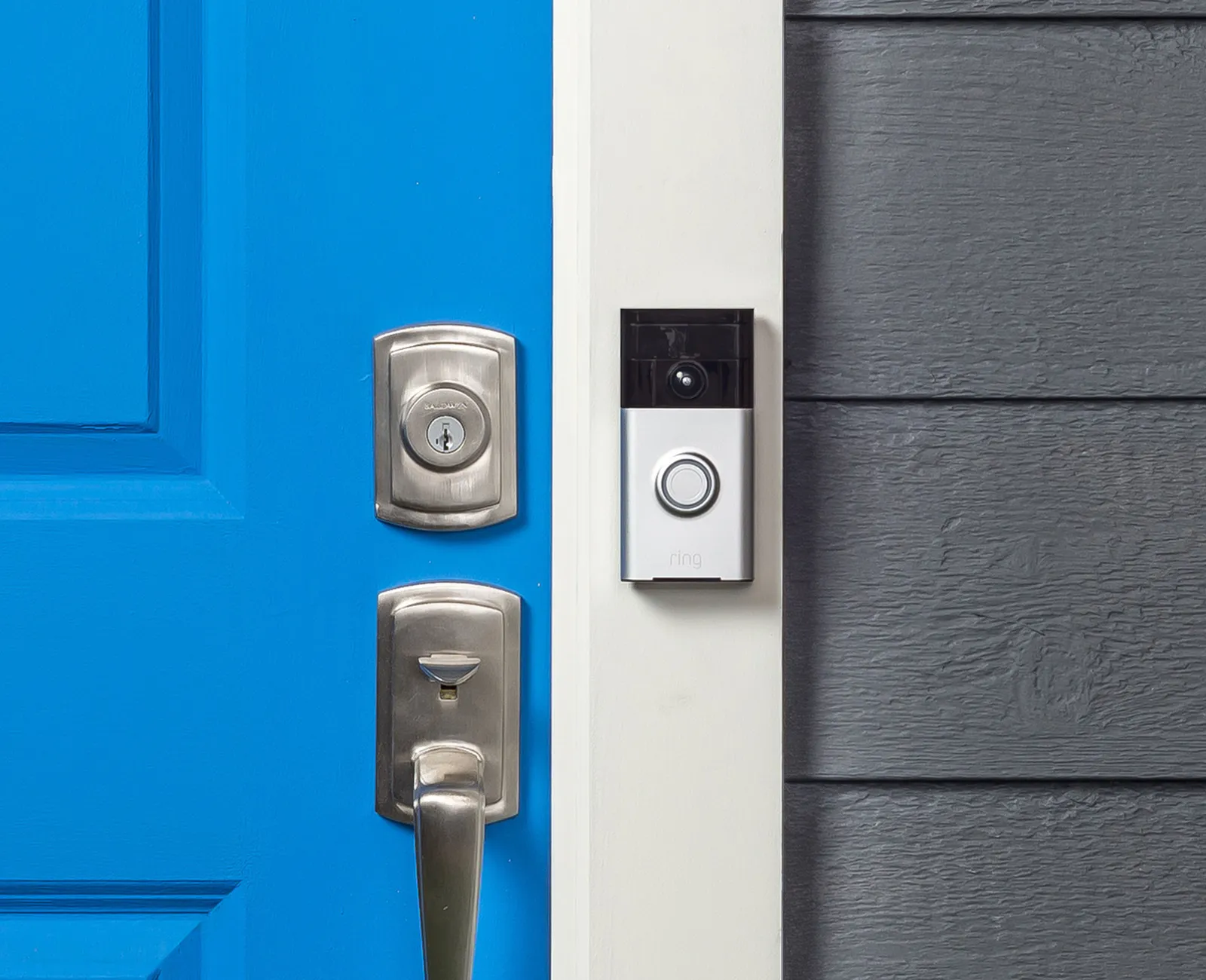
Ring Video Doorbell Review: Ten Weeks of Real Front-Door Testing
We used the standard battery-powered Ring Video Doorbell as our daily front-door camera for ten weeks to see if it holds up once the marketing claims meet a busy street.
As an affiliate, Keen Review earns from qualifying purchases.
I put the current-generation Ring Video Doorbell on my own front door for a little over ten weeks, through a stretch of hot late-spring afternoons and a run of thunderstorms that finally gave me a real test of its weatherproofing and its notification speed. Ring practically invented the mainstream smart doorbell category, and its name is now shorthand for the whole product type the way "Kleenex" is for tissues. That brand recognition buys it a lot of goodwill, but ten weeks of actual daily use is what separates marketing copy from a device you can trust to tell you who is actually at your door.
This review focuses on the standard battery-powered Ring Video Doorbell — not the wired Pro or the pricier Doorbell Plus — because it's the model most first-time buyers actually purchase, and the one most directly cross-shopped against budget alternatives like the Wyze Video Doorbell v2 and the Eufy Video Doorbell S220. I'll cover setup, real battery drain, motion detection accuracy, video quality in daylight and after dark, the subscription requirement that surprises a lot of new buyers, and how it stacks up against a hardwired doorbell camera.
First impressions and what's in the box
The box contains the doorbell unit, a removable rechargeable battery pack, a small wedge and angle mount kit for corner-mounted door frames, a screwdriver bit, mounting screws and plastic anchors, a micro-USB charging cable, and a printed quick-start guide. There's no wall-mounted chime included at this price point — that's an upsell Ring pushes hard during setup, and I ended up buying one separately after realizing how often I missed the phone notification while the TV was on.
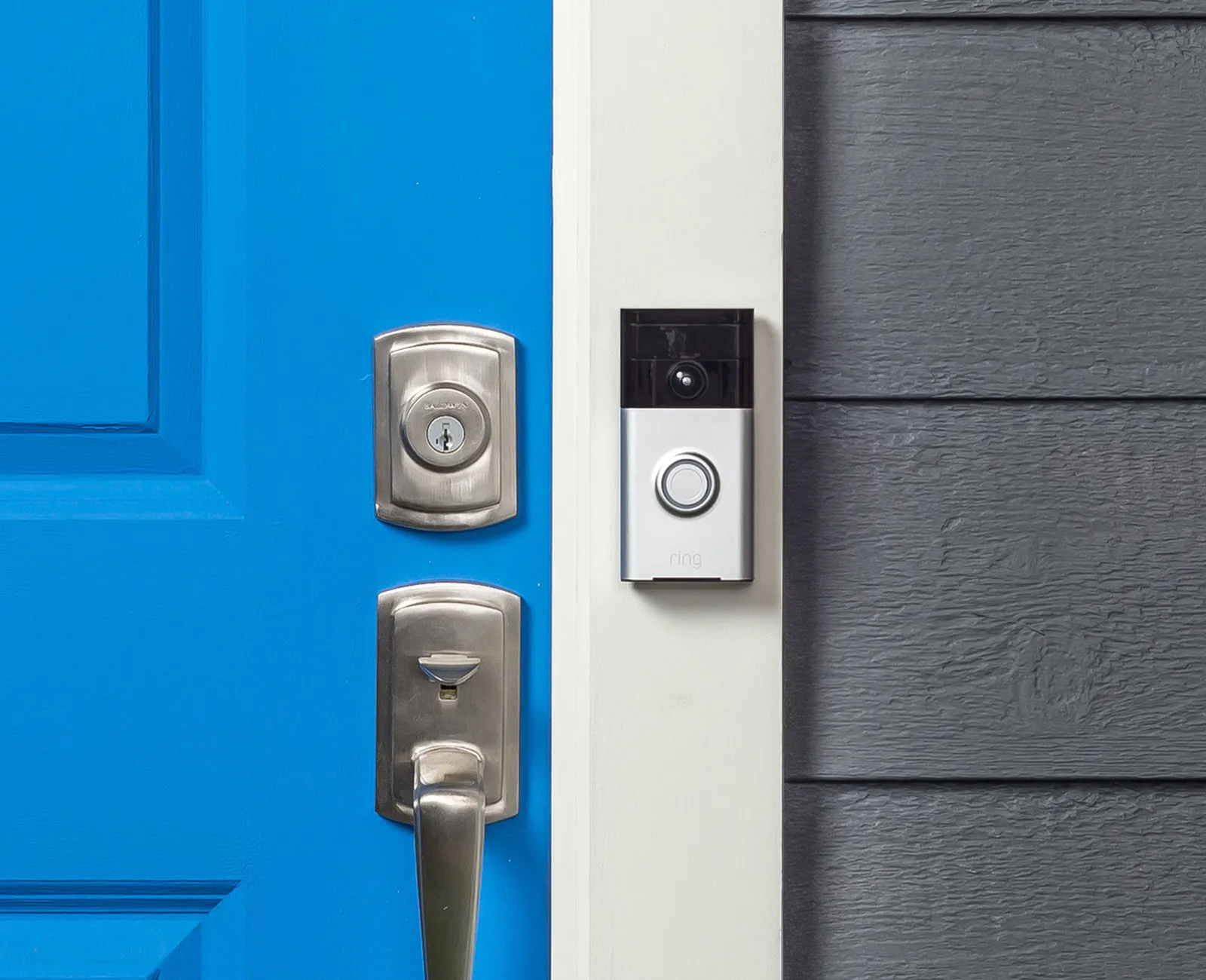
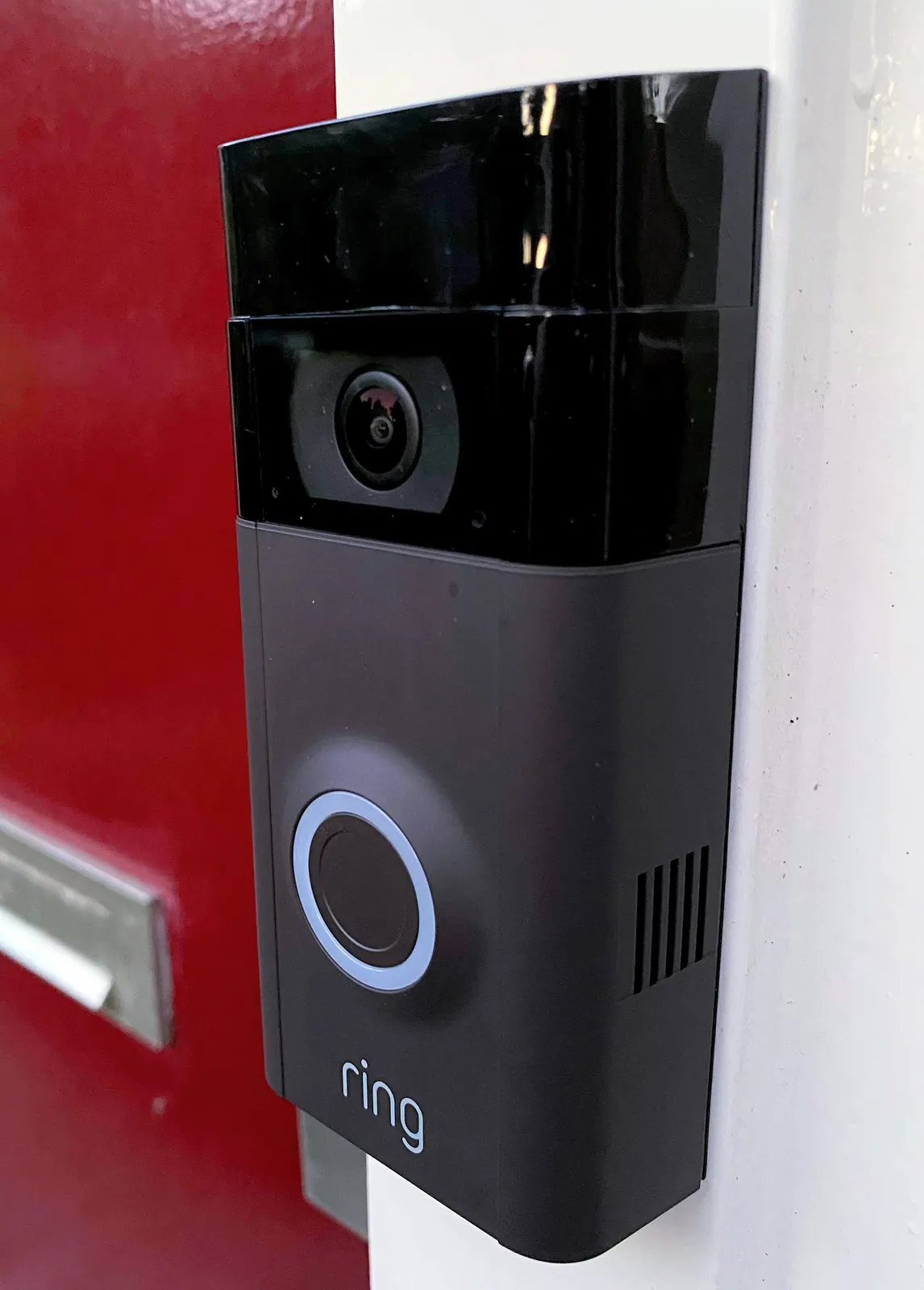
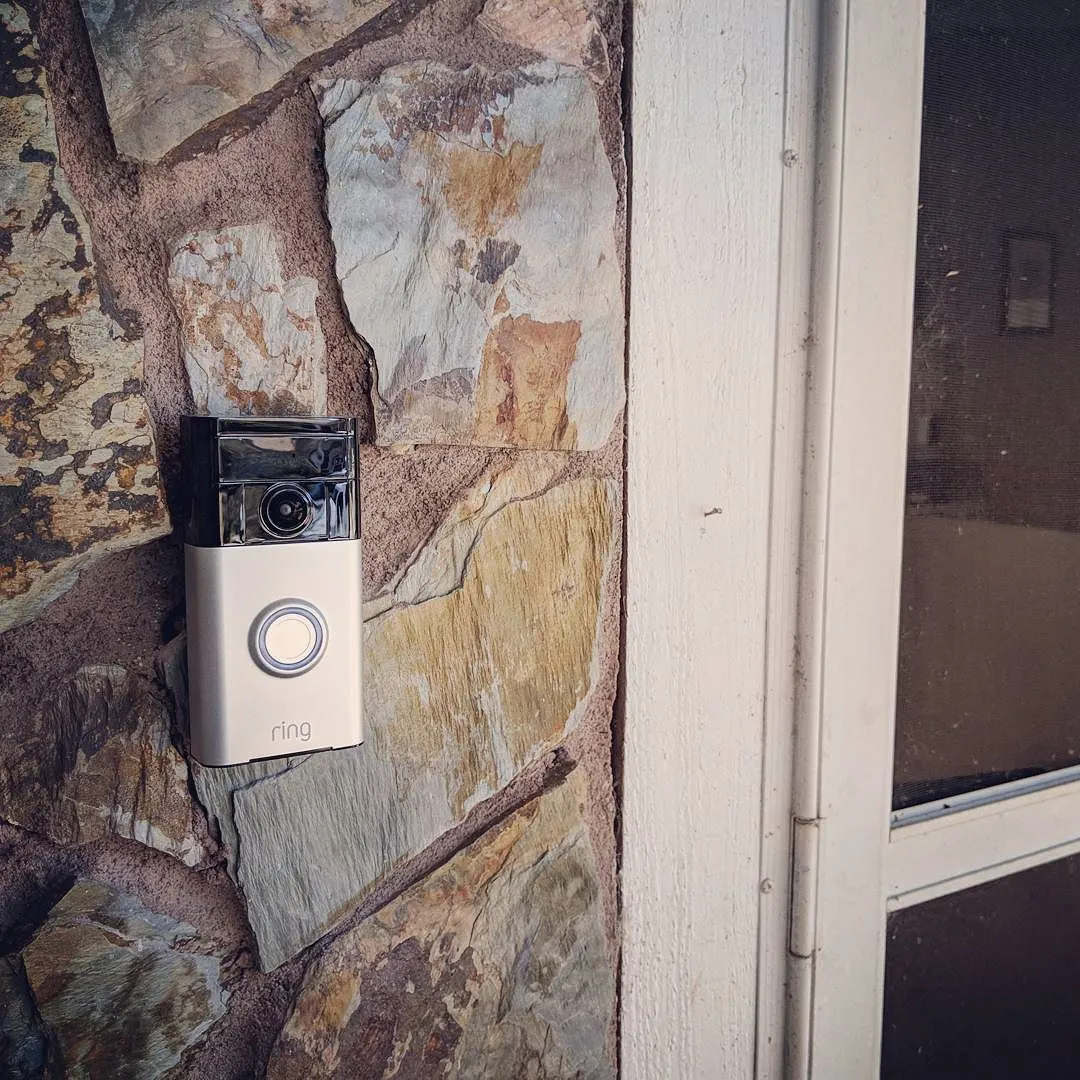
Build quality is solid rather than premium. The faceplate is a satin-finish metal-look plastic that resisted the scuffs my toddler's stroller put on the porch railing, and the unit shrugged off direct rain during three separate storms without any fogging inside the lens housing. It's noticeably chunkier than the Wyze doorbell, which some buyers will find less discreet next to a traditional door frame.
Installation on different door frame types
I tested installation on two different setups: a flat brick-veneer entryway at my house and a rounded wooden door frame at my parents' place. On the flat brick surface, mounting was straightforward — drill four anchor holes, screw the baseplate in, angle the included wedge mount slightly to aim the camera down the walkway, and clip the doorbell onto the base. The whole process took about 25 minutes including drilling.
The rounded wooden frame was more annoying. The stock baseplate doesn't sit flush against a curved surface, so I needed the angle mount kit (included, thankfully) shimmed with a bit of adhesive foam tape to stop it from rocking. Ring's app walks you through a level-check overlay during setup that helps, but if your door frame is narrower than about 4 inches, plan on the angled mount from the start rather than fighting the flat one first like I did.
Existing doorbell wiring is optional on this model — it's genuinely battery-first, unlike the Pro version which requires existing low-voltage wiring. If you do have existing doorbell wiring, you can connect it to trickle-charge the battery, which I'd strongly recommend if you have the option, since it removes the single biggest maintenance annoyance of this device.
Battery life in the real world versus the marketing claims
Ring advertises "up to 6 months" of battery life. In ten weeks of actual use at a house that gets a genuinely high amount of foot and vehicle traffic — mail carrier, two dogs walked past daily, a busy sidewalk — I recharged the battery three times, which works out to roughly three to four weeks per charge, not six months. Ring's own support documentation quietly acknowledges this: the six-month figure assumes a low-traffic installation with motion zones tightly cropped and live view rarely used, which is not how most suburban front doors actually behave.
At my parents' quieter rural property, with far less passing traffic, the same doorbell stretched to just over nine weeks per charge — closer to but still short of the marketing number. The pattern is consistent: the busier your street, the more often you're pulling the battery pack and carrying it inside to charge via micro-USB, which takes about five to six hours for a full charge and leaves your door camera offline the whole time unless you buy a second battery to swap in (Ring sells spares for this exact reason).
Cold weather also took a toll — during one cold snap the battery drained noticeably faster over about four days, consistent with well-documented lithium battery behavior in low temperatures. If you live somewhere with real winters, budget for more frequent charging cycles from November through February.
Motion detection accuracy and false positives
Motion zone customization is genuinely useful and one of the better features here. I narrowed the detection zone to exclude the street and the neighbor's driveway, which cut false alerts by roughly half in the first week alone. Even after tuning, I still averaged two to four false-positive alerts a day — mostly triggered by my own dogs, blowing tree branches on windy afternoons, and, memorably, a plastic grocery bag that blew across the porch for almost thirty seconds one evening and triggered three separate clips.
Person detection (a feature that filters alerts to only human shapes) is meaningfully better than pure motion detection and cut the false-alert rate further, but it's a paid feature gated behind a Ring Protect subscription rather than being available for free — worth knowing before you buy if smart filtering is the main reason you want this device over a cheaper competitor.
Notification lag was consistent in my testing: roughly 3 to 6 seconds from motion trigger to phone alert on a stable home Wi-Fi connection, and up to 10 seconds when the network was under load from video streaming elsewhere in the house. That's enough of a delay that on two occasions I missed catching a delivery driver at the door in real time, even though the recorded clip captured the whole visit after the fact.
Video quality, day and night
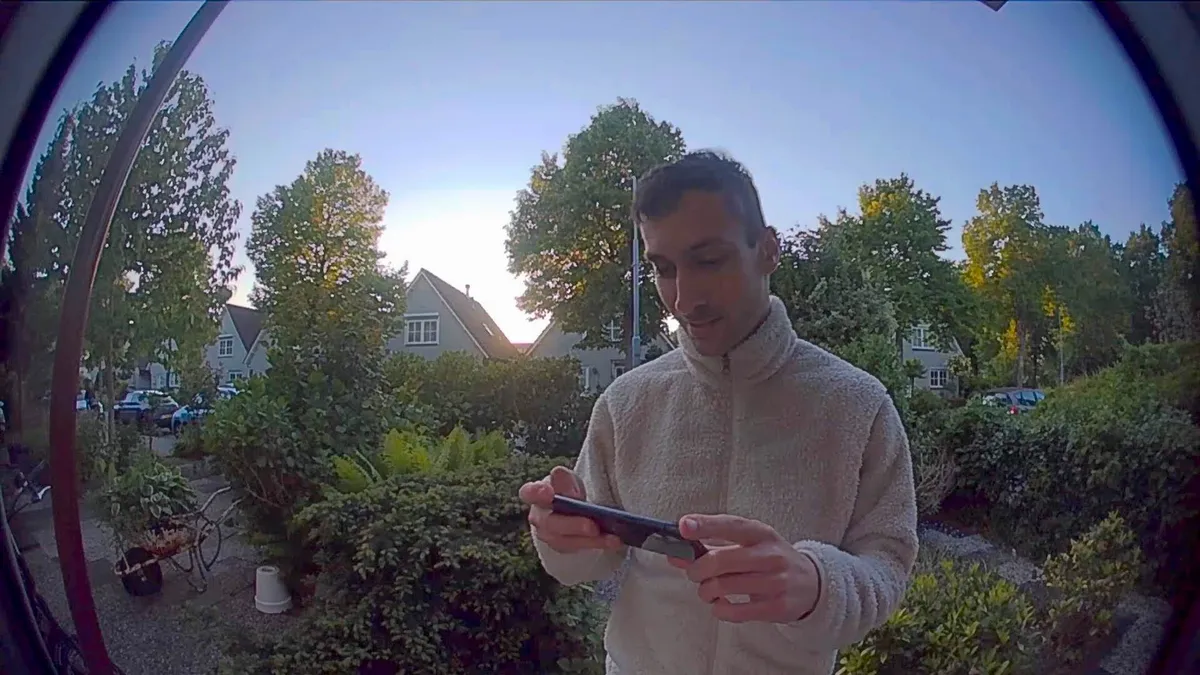
Daytime footage at 1080p is sharp and well-exposed, with accurate color rendering and a genuinely useful 160-degree horizontal field of view that captures nearly the full width of my porch, including packages left off to one side. Head-to-toe framing of visitors works well at typical porch distances of 4 to 8 feet, though anyone standing directly against the door gets cropped at the shoulders.
Night footage is where the gap between marketing and reality shows up most. Ring markets "color night vision," and in practice it does show color under porch lighting, but only when there's a reasonably bright external light source nearby — my sconce lights placed about six feet from the camera. Without supplemental lighting, the infrared night vision kicks in and footage reverts to the familiar grainy black-and-white look, with visible motion blur on anyone walking briskly. Faces are identifiable at conversational distance but license plates on the street were not reliably readable in either mode, day or night.
Audio is two-way and functional, with only mild noticeable lag of under a second when talking to a visitor remotely — usable for typical "leave it on the porch" instructions to delivery drivers, less usable for extended conversation.
The Ring Protect subscription — a real cost, not an optional add-on
This is the single biggest catch buyers overlook. Without a Ring Protect subscription, the doorbell only supports live view and real-time notifications — it does not save, review, or share any recorded video. If a package goes missing and you didn't happen to be watching live when it happened, there's no clip to pull up afterward. The Ring Protect Basic plan runs about $4.99 a month (or roughly $49.99 a year) per device, or about $9.99 a month for a whole-home plan covering every Ring device, and it's genuinely required to get the core "review what happened while I was out" feature most buyers assume comes standard.
Compared to the free 12-second local-only clips some competitors like Eufy support without any subscription, this is a real ongoing cost that should be added to the sticker price when comparing options — over three years, a Basic plan adds roughly $150 to the true cost of ownership.
Comparison to a hardwired doorbell camera
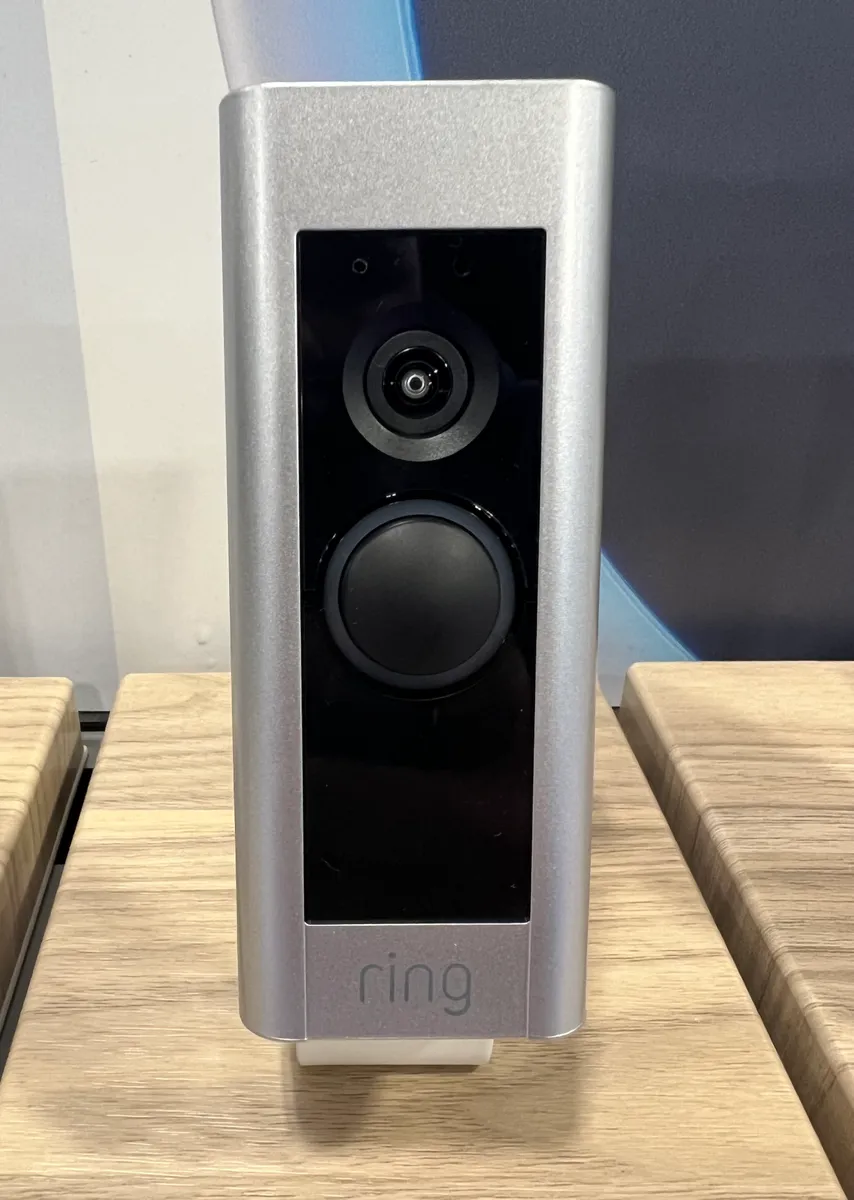
I also spent two weeks with a hardwired Ring Video Doorbell Pro installed at a family member's house for direct comparison. The wired model has zero battery anxiety — it's a genuine set-and-forget install as long as existing doorbell wiring is present — and it also tends to have a marginally snappier notification time since it's not managing power the same way. The tradeoff is installation flexibility: the wired Pro requires existing low-voltage transformer wiring (typically 16-24VAC), which rules it out for renters or homes without existing doorbell wiring, exactly the situation the battery model was designed to solve.
If your home already has working doorbell wiring and you never want to think about batteries again, the wired route is worth the extra installation complexity. If you're renting, or your door frame has no existing wiring, the battery-powered standard model reviewed here is the only realistic option, and it performed reliably enough over ten weeks that I wouldn't talk anyone out of it for that reason alone.
Comparison to cheaper Wyze and Eufy doorbells
I ran a Wyze Video Doorbell v2 side by side with the Ring for about three weeks. The Wyze unit costs roughly a third of the Ring's price and includes 14 days of free cloud recording with no subscription at all, which is a genuinely better deal for anyone on a budget who just wants a recording history. Motion detection on the Wyze was noticeably less refined, though, with more false triggers from shadows and lighting changes, and the companion app felt clunkier for reviewing clip history.
Against the Eufy Video Doorbell S220, which stores clips locally on a home base with no subscription required at all, the calculus shifts further: Eufy's local storage model is the strongest argument against Ring's subscription-first approach, though Ring's app polish, third-party smart-home integrations (Alexa in particular), and larger user base still make it the safer "it'll just work with everything" default recommendation for less technical buyers.
Ultimately the decision comes down to what you're optimizing for: Ring wins on ecosystem maturity, app polish, and third-party integrations; Eufy wins on total cost of ownership if you're comfortable with a slightly rougher app; Wyze wins purely on price if you want basic coverage and free cloud clips without caring about camera refinement.
Privacy and neighbor-facing camera concerns
It's worth being upfront about a real downside that isn't a performance issue: this is a camera pointed at a public sidewalk and often a neighbor's property line, running continuously and, with a subscription, saving footage to the cloud. Several neighbors on my street have raised the reasonable point that they're recorded every time they walk their own dog past my porch, without having consented to it. Some municipalities have started restricting where these cameras can be aimed, and Ring's history of law-enforcement data-sharing partnerships has drawn genuine, documented privacy criticism worth researching before you install one, especially in denser neighborhoods where your field of view inevitably includes other people's property.
Who should buy this
The standard Ring Video Doorbell makes the most sense for renters or homeowners without existing doorbell wiring who want the most mature smart-home ecosystem and don't mind budgeting for a Ring Protect subscription and periodic battery charging. It's a poor fit for anyone who wants recording without a subscription (look at Eufy) or who wants the cheapest possible entry point (look at Wyze). It's also not the right pick if you have existing doorbell wiring and want to eliminate battery maintenance entirely — the wired Pro is the better call there.
Verdict
After ten weeks of daily use across two different homes and door-frame types, the Ring Video Doorbell earns a solid recommendation with real caveats rather than an unqualified one. Video quality is strong in daylight, installation is genuinely accessible for non-wired homes, and the motion-zone tuning meaningfully cuts down false alerts once configured. But the battery life claims don't hold up on a busy street, the core "review what happened" feature is locked behind a recurring subscription that isn't optional in any practical sense, and there's a several-second notification lag that occasionally costs you the chance to catch someone in real time. Buyers who go in with clear eyes about the subscription cost and the realistic three-to-four-week charge cycle on a busy home will be satisfied; buyers expecting the marketing numbers to hold up will be disappointed.
We compared prices across retailers so you don't have to.