Yamaha FG800 Review: 96 Practice Sessions and a Ruler
Four months and 96 sessions on a 229-dollar solid-spruce-top dreadnought, measuring the spec no beginner listing mentions: action arrived at 2.7 mm and a 60-dollar setup fixed it.
As an affiliate, Keen Review earns from qualifying purchases.
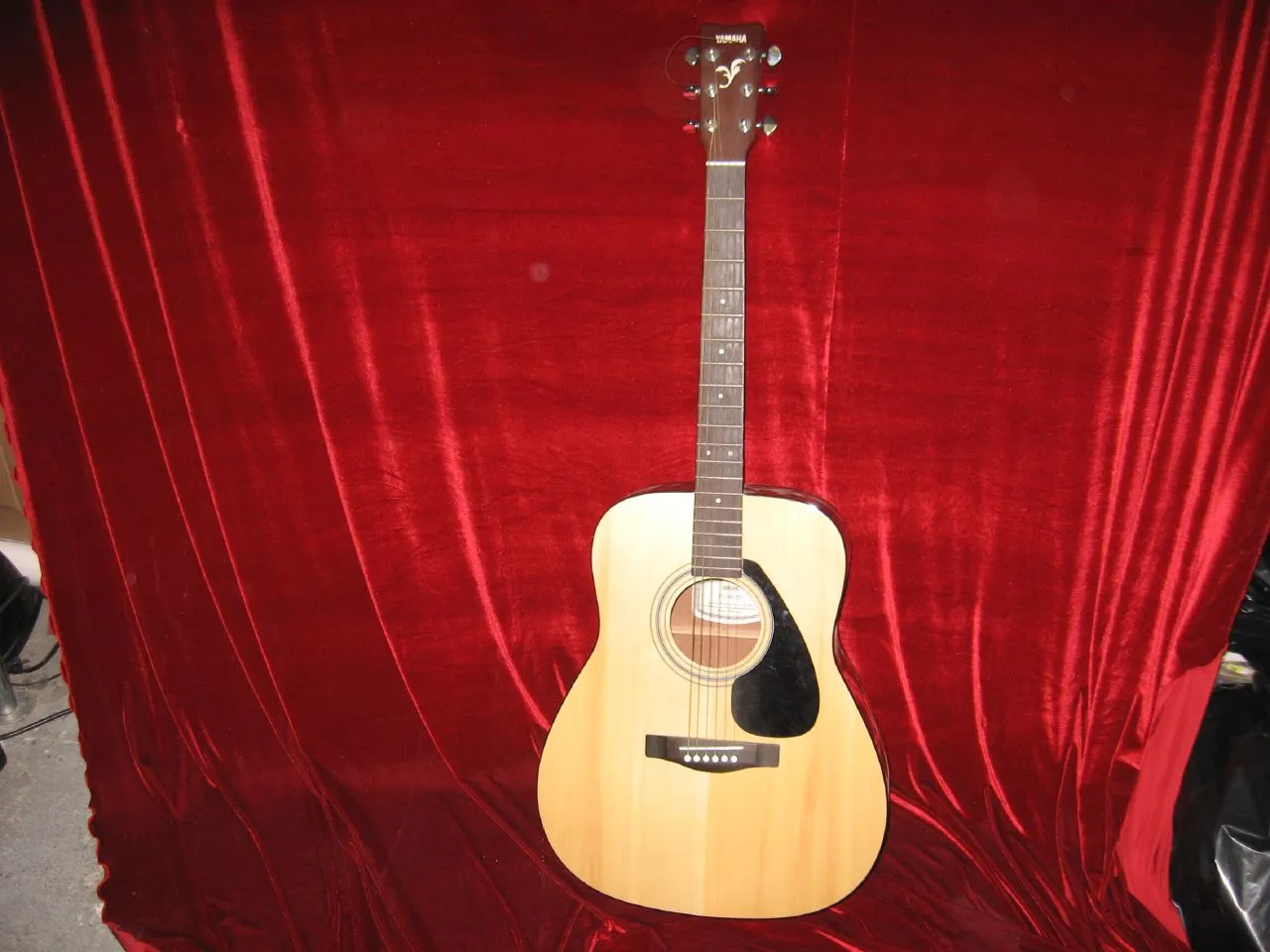
Most beginner guitars are abandoned, and the usual reason is not motivation. It is that the guitar is physically painful to play. String height at the twelfth fret, measured in fractions of a millimetre, decides whether a first-position F chord is a challenge or an impossibility — and it is the one spec no beginner listing mentions. So when we tested a Yamaha FG800-class solid-top dreadnought at 229 dollars over four months, the first thing we did was reach for a ruler.
We logged practice in a notebook: 96 sessions, mostly 20 to 40 minutes, from open chords through to barre chords and fingerstyle. We measured action, relief and string gauge, took it through a full heating season to see what the wood did, and paid a luthier for a setup halfway through so we could quantify how much of a cheap guitar's playability is the guitar and how much is the adjustment.
What 229 dollars buys structurally
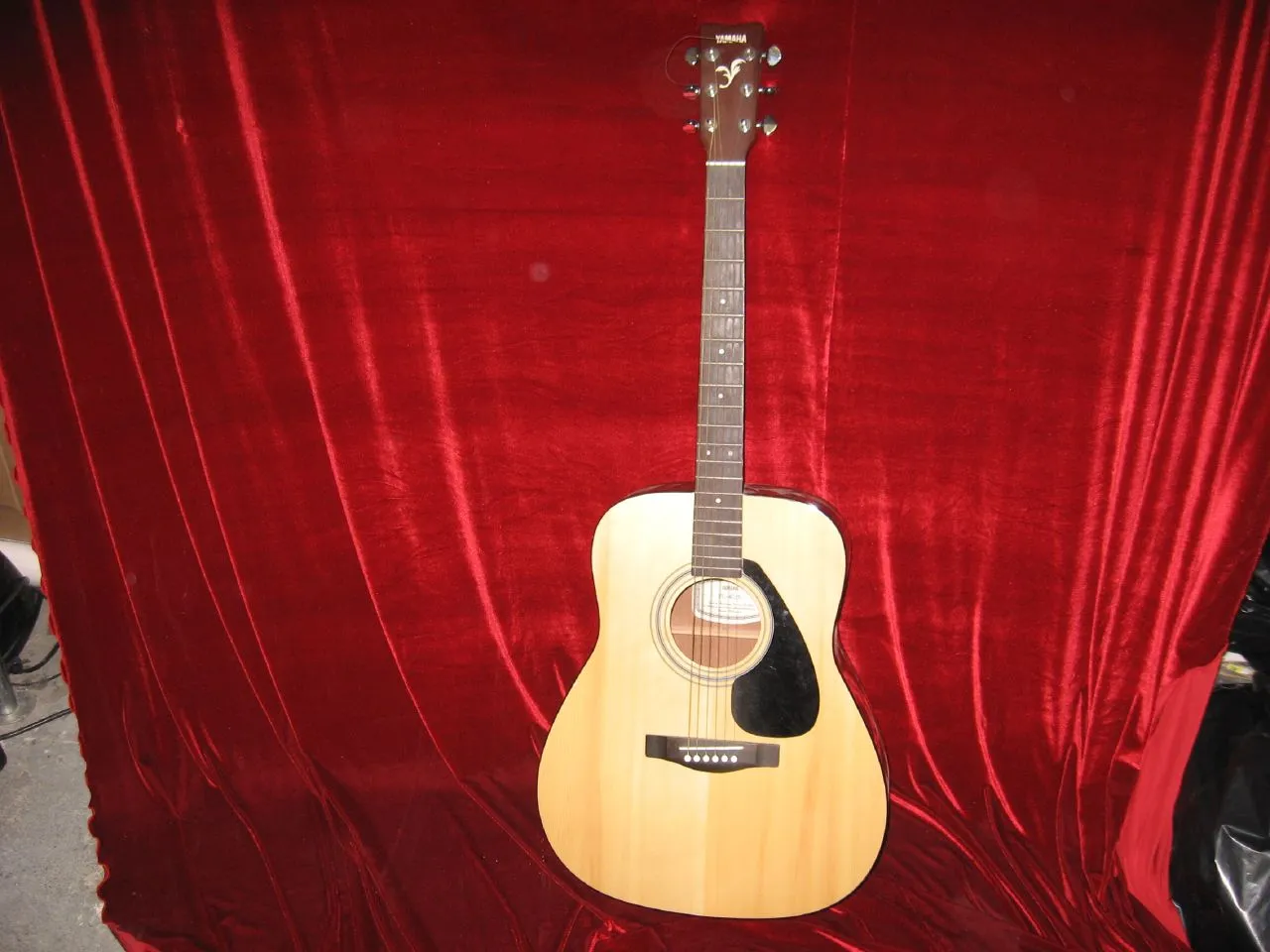
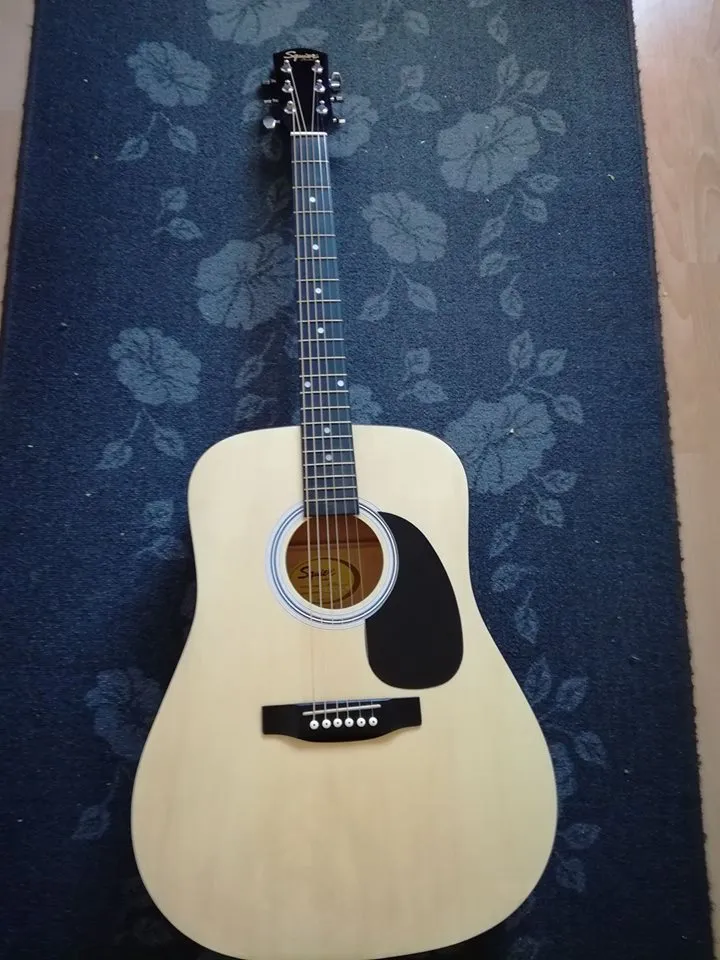
The important spec is the top: solid spruce rather than laminate. A solid top is a single piece of wood that vibrates as one plate, so it gets louder and more complex as it ages. A laminate top is thin plies glued together, which sounds acceptable and stays exactly the same for thirty years. Back and sides here are laminate, which is the normal and sensible compromise at this price because the top does most of the acoustic work.
Bracing is scalloped, the neck is nato with a rosewood-substitute fingerboard, and the nut and saddle are moulded plastic. That last item is where the money was saved and it is worth knowing about — plastic transmits string vibration to the top less efficiently than bone or a denser synthetic, and a 20-dollar bone saddle swap is the single cheapest audible upgrade on any guitar in this class. We did not do it, because we wanted to review what people actually buy.
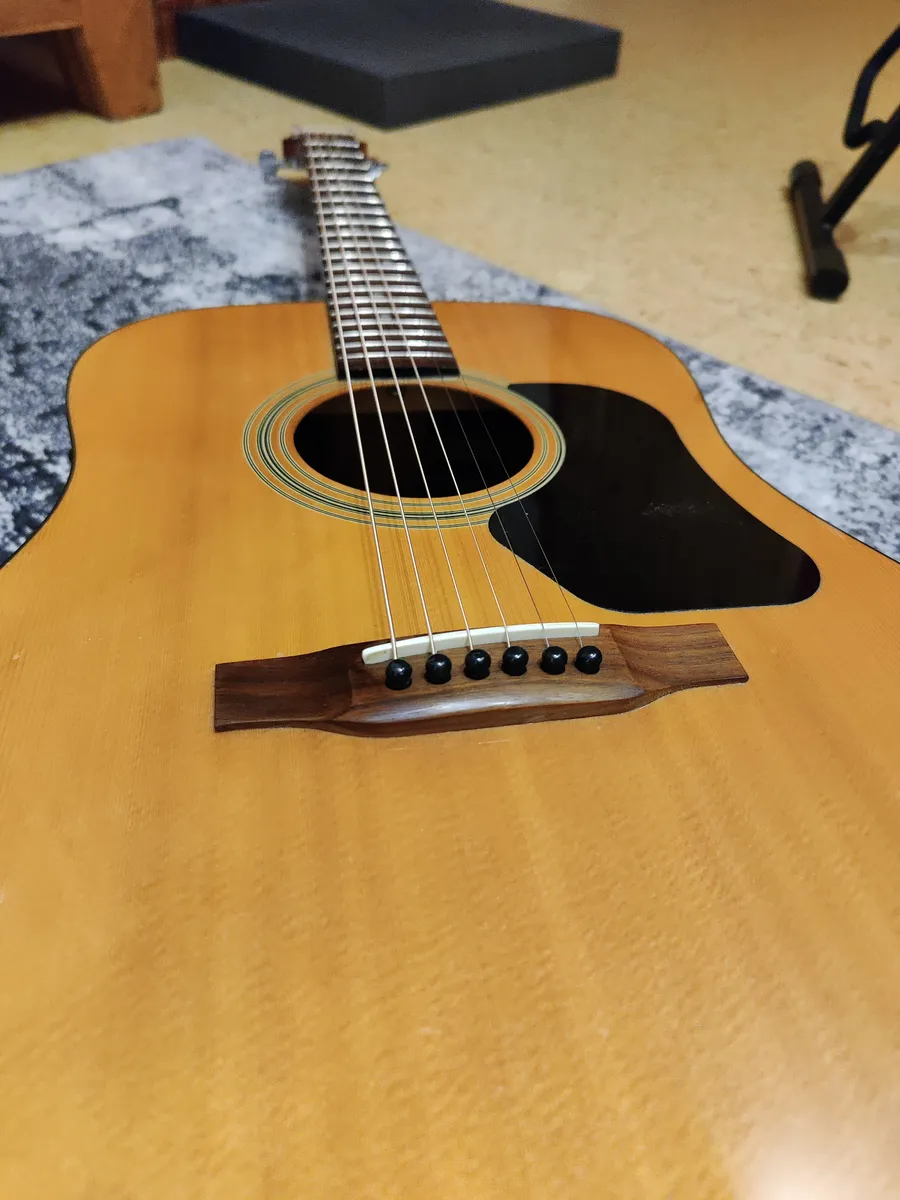
Out of the case it weighed 2.1 kg and the finish was clean, with one small glue witness line visible inside the soundhole and no sharp fret ends — we checked all 20 by running a fingertip down both edges of the neck, which on cheaper instruments usually finds two or three.
The number that decides everything: action
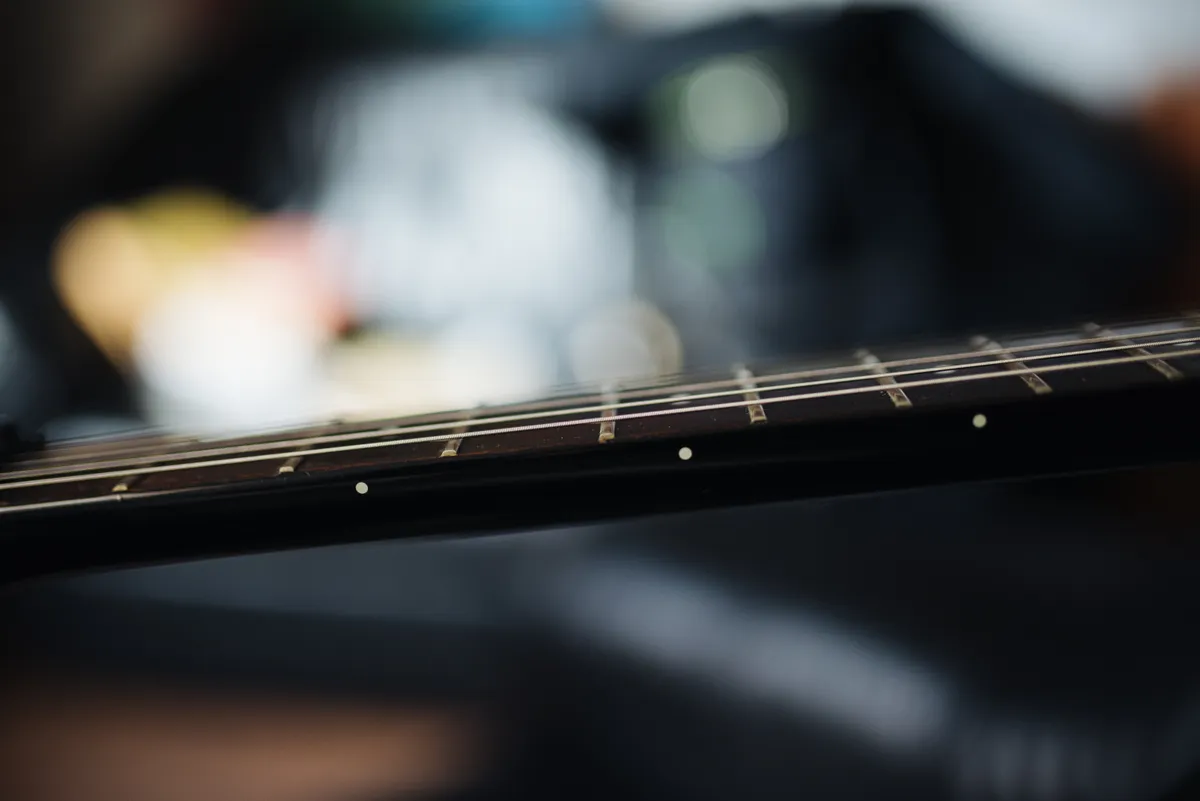
Action is string height above the fret. Measured at the twelfth fret with a steel rule, our guitar arrived at 2.7 mm on the low E and 2.2 mm on the high E. For context, a comfortable factory target is around 2.4 and 1.9, and a well set-up instrument for a beginner can go to 2.0 and 1.6. Ours was high — not unusually so for a shipped-from-warehouse acoustic, but high enough that barre chords in the first three frets took real hand strength, and our test player's fingertips were sore after 25 minutes.
Neck relief measured 0.35 mm with a capo at the first fret and a finger at the fourteenth, which is slightly more bow than ideal. Both of those are adjustments, not defects. Halfway through the test we paid a local luthier 60 dollars for a setup: truss rod tightened slightly, saddle lowered, nut slots deepened, fret ends dressed. Action came down to 2.1 mm and 1.7 mm.
The change was larger than any difference between guitars in this price bracket. Post-setup, the same player went from 25 minutes of comfortable practice to 45, and barre chords stopped buzzing. If you take one thing from this review: budget 50 to 80 dollars for a setup on top of whatever guitar you buy, and treat it as part of the purchase price rather than an optional extra. A 229-dollar guitar plus a setup beats a 400-dollar guitar without one.
How it sounds, and how that changed
The dreadnought shape gives you volume and a strong low end, which is why it dominates strummed folk and country. Ours is loud — enough to accompany singing in a room without amplification and enough to be antisocial in a flat after 10 pm. The trade-off is midrange clarity: single-note fingerpicking sounds slightly less articulate than it would on a smaller-bodied concert or grand auditorium shape, and complex chords voiced high up the neck get a little muddy.
We swapped the factory strings, which were bright and thin-sounding, at week two for phosphor bronze light gauge (.012 to .053) and the improvement was immediate and larger than expected: fuller bass, less metallic attack. Factory strings on new guitars have usually been on the instrument for months in a warehouse and are the second cheapest upgrade after a setup, at about 10 dollars.
Whether a solid top genuinely opens up over months is the one claim we could not verify. Four months is nowhere near long enough — the process is described in years — and honestly, our ears adapted more than the guitar changed. We can say the instrument sounded better at month four than month one, and we cannot separate new strings, a setup and familiarity from the wood.
Living with a dreadnought as a beginner
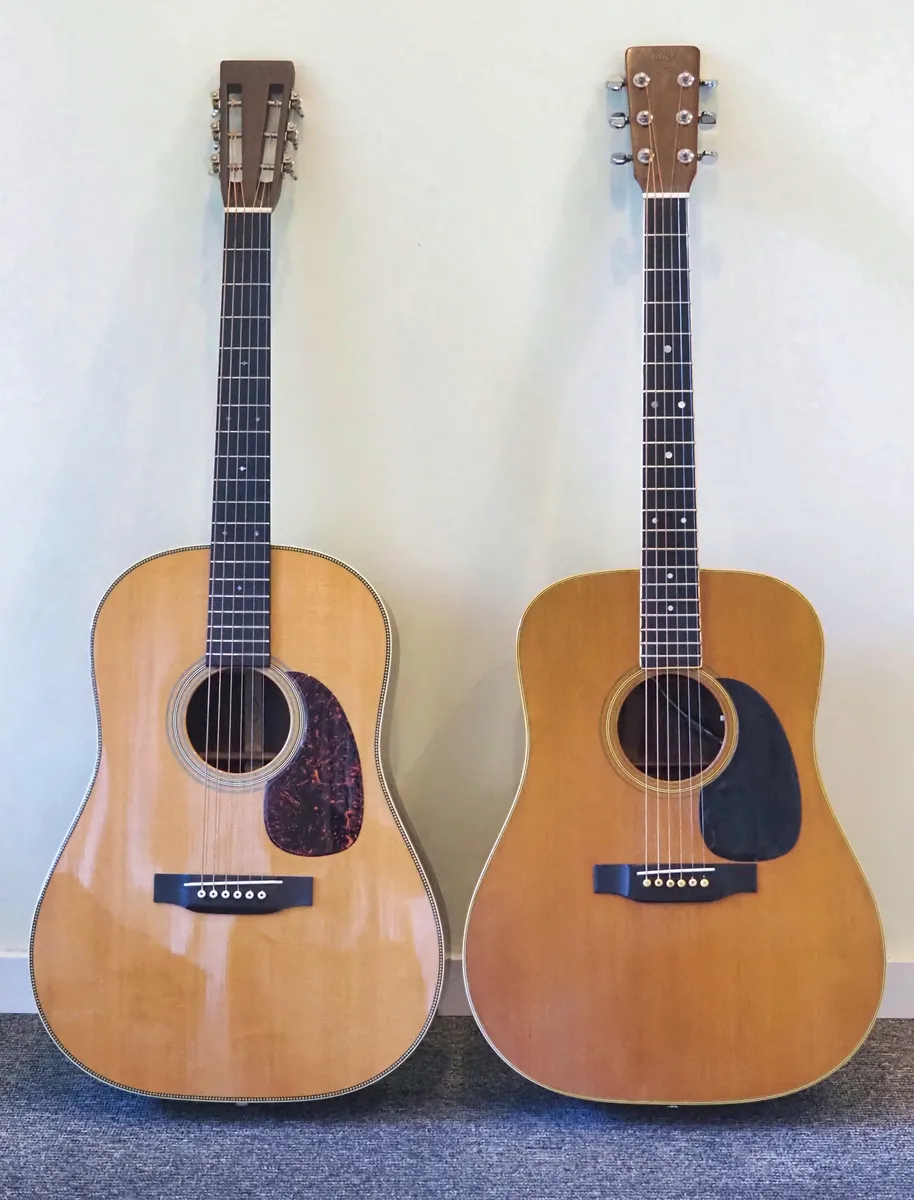
The body is big. Depth at the lower bout is around 10 cm, and for a smaller adult or a child under about 12 that is genuinely awkward — the right forearm has to reach over a lot of guitar, and sitting down the upper bout can dig into the ribs. Our test included a 13-year-old and a 168 cm adult; both managed, but both preferred a smaller-bodied guitar we borrowed for comparison. If the player is small, the dreadnought's volume is not worth the ergonomic cost, and Yamaha and others make the same solid-top construction in concert and 3/4 sizes.
Tuning stability was good. The sealed die-cast tuners held pitch across a session reliably, and after the first two weeks of new-string stretch we typically needed only a small correction to the low E at the start of a practice. That is better than we expected at this price and it matters more than it sounds — a beginner who has to retune every ten minutes learns to distrust their own ear.
Humidity, and the thing that actually breaks cheap acoustics
A solid top is a thin piece of wood under tension, and it responds to moisture. We tracked room humidity through a heating season with a cheap hygrometer. From October to January the room sat between 28 and 34 per cent relative humidity, which is below the 40 to 55 per cent range acoustics are built for. Two things happened: the action dropped by about 0.2 mm as the top shrank slightly and pulled flatter, and we developed light fret sprout — fret ends becoming just detectable at the neck edge as the fingerboard shrank across its width.
Neither was damage, and both reversed in spring. But the failure mode beyond this point is a cracked top, which is expensive and permanent. A sound-hole humidifier costs about 15 dollars, and in a centrally heated flat it is not optional equipment for a solid-top guitar. Store the guitar in its case with the humidifier rather than on a wall hook if your winter humidity runs below 35 per cent.
One more practical note: the guitar ships without a case. A padded gig bag is around 35 dollars and a hard case around 90. Given the humidity point above, the case is part of the real cost.
Against the alternatives
Against the 120-to-150-dollar laminate-top starter bundles, the difference is real but not where the marketing points. Those bundles include a bag, a strap, a tuner and picks, which sounds like value, and then the guitar has a laminate top, higher and less consistent action, and often frets that need dressing. We would take this guitar with no accessories over a bundle every time, and buy a 12-dollar clip-on tuner separately.
Against a 400-to-500-dollar solid-top guitar, the gap is in materials rather than playability: better tuners, a bone nut and saddle, sometimes a solid back, and finish work with fewer compromises. If the player is committed, that money is not wasted. If you are buying for someone who may quit in three months, this is the right amount to risk.
Against buying used at this price, a used guitar can be better value and can also hide a warped neck, a lifting bridge or a cracked top. Unless you can assess those, or take someone who can, new with a warranty is the safer route for a first instrument.
Who should buy this
Buy it if you or an average-sized teenager or adult wants a first acoustic that will not become the reason they quit, if you strum more than you fingerpick, and if you accept that a setup is part of the price. It is also a sound choice as a second, knock-about guitar for someone who already owns better and wants something they will not worry about taking camping.
Skip it if the player is small — get the same construction in a concert or 3/4 body instead. Skip it if you mainly want to fingerpick, where a smaller body is clearer. And skip it if the total budget including a setup, a case and a humidifier cannot exceed about 300 dollars, because buying the guitar and none of the rest is how a solid top ends up cracked in February.
Verdict
Four months and 96 practice sessions in, this is the right kind of cheap guitar: money spent on the solid spruce top and the tuners, saved on the nut, saddle and back. It arrived with 2.7 mm action at the twelfth fret, which is high enough to hurt a beginner, and a 60-dollar setup brought it to 2.1 mm and roughly doubled comfortable practice time. Tuning stability was genuinely good, the dreadnought body is loud and slightly too big for smaller players, and a dry heating season moved the action 0.2 mm and started fret sprout. Buy it, get it set up, buy a humidifier, and it is hard to do better at 229 dollars.
We compared prices across retailers so you don't have to.